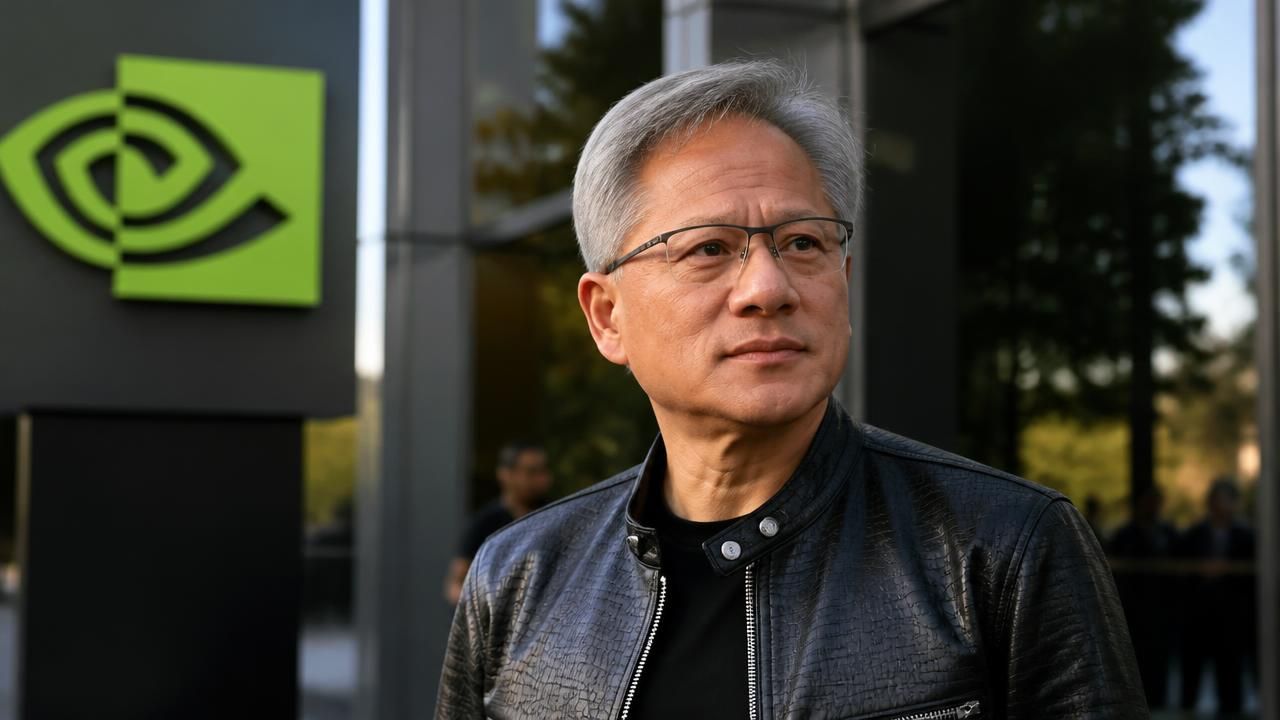
Nvidia, the chipmaker whose graphics processors underpin the global boom in artificial intelligence, is confronting its most serious non-technical crisis in years after reports that a woman identified by U.S. intelligence as a suspected Chinese operative had personal ties to chief executive Jensen Huang dating to at least 2023. The disclosure, first detailed by The New York Times and rapidly amplified across financial, political and tabloid outlets, has triggered an internal investigation, a shareholder lawsuit, a congressional demand for answers and a fresh push on Capitol Hill for tighter export controls on AI chips.
What Is Alleged
According to the reporting, the woman—referred to in several accounts as Alice Huang—was known to U.S. intelligence as a suspected asset and maintained a relationship with the Nvidia chief executive stretching back several years. New photographs published alongside the Times account were said to show the two together. She reportedly boasted of her access to Nvidia's AI chips at a time when U.S. officials were growing increasingly alarmed about the smuggling of restricted semiconductors into China.
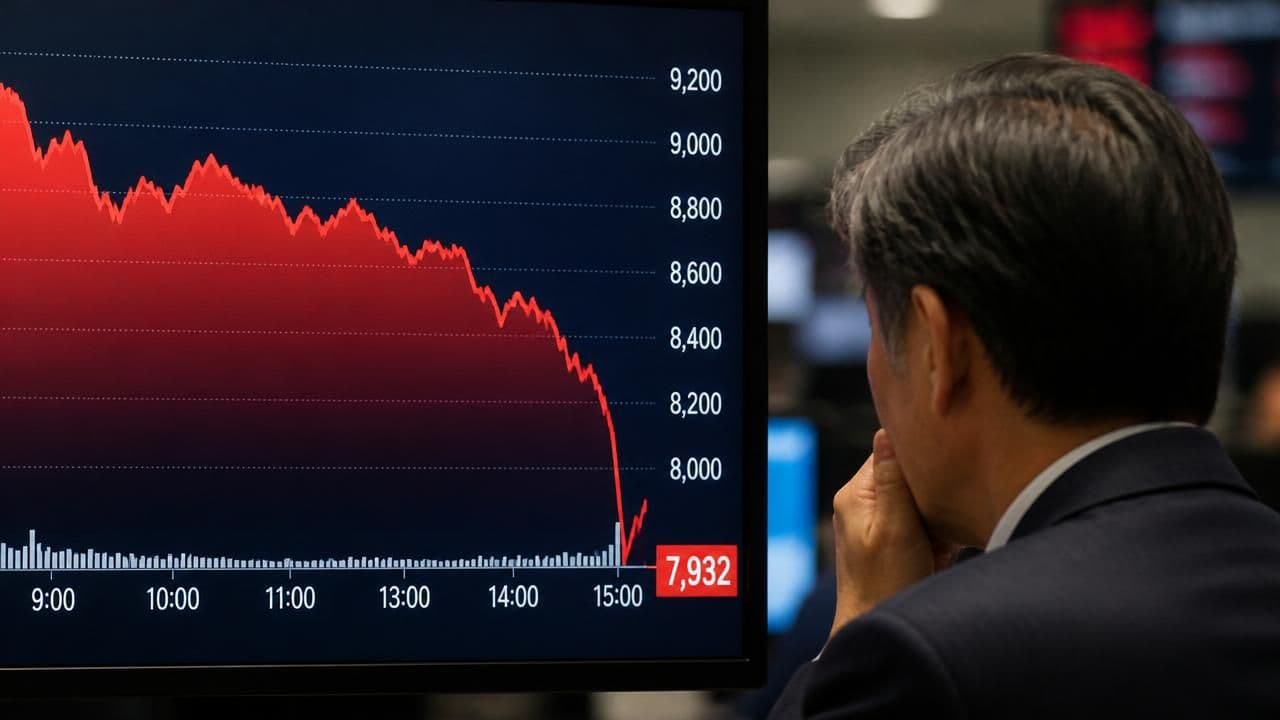
One report cited in the coverage, from the Financial Express, claimed the relationship enabled more than $7 billion in Nvidia chip sales to China—a figure that has circulated widely online but has not been confirmed by Nvidia, the Commerce Department or any congressional committee. Nvidia did not publicly comment on the substance of the allegations in the immediate aftermath. The company's shares fell as the story spread, with traders citing uncertainty about regulatory and legal exposure rather than any change in demand for its products.
Nvidia Hires Outside Counsel
The company's first concrete response was procedural: Nvidia retained a top-tier law firm to conduct an internal probe of the alleged affair and the circumstances surrounding the woman's access to the CEO and, by extension, to the company. The move mirrors the playbook large corporations adopt when allegations carry potential securities, export-control or national-security dimensions—an outside investigation creates a documented record that can be shared with regulators and, if necessary, with prosecutors.
That record is likely to be scrutinized closely. Nvidia's China business has been constrained for years by successive rounds of U.S. export restrictions, beginning with the 2022 and 2023 controls on advanced AI accelerators and continuing through the more recent licensing regime covering the H20 and related parts. Any suggestion that restricted technology reached Chinese customers through unofficial channels would put the company at the center of a policy fight it has spent years trying to manage.
Congress and the White House React
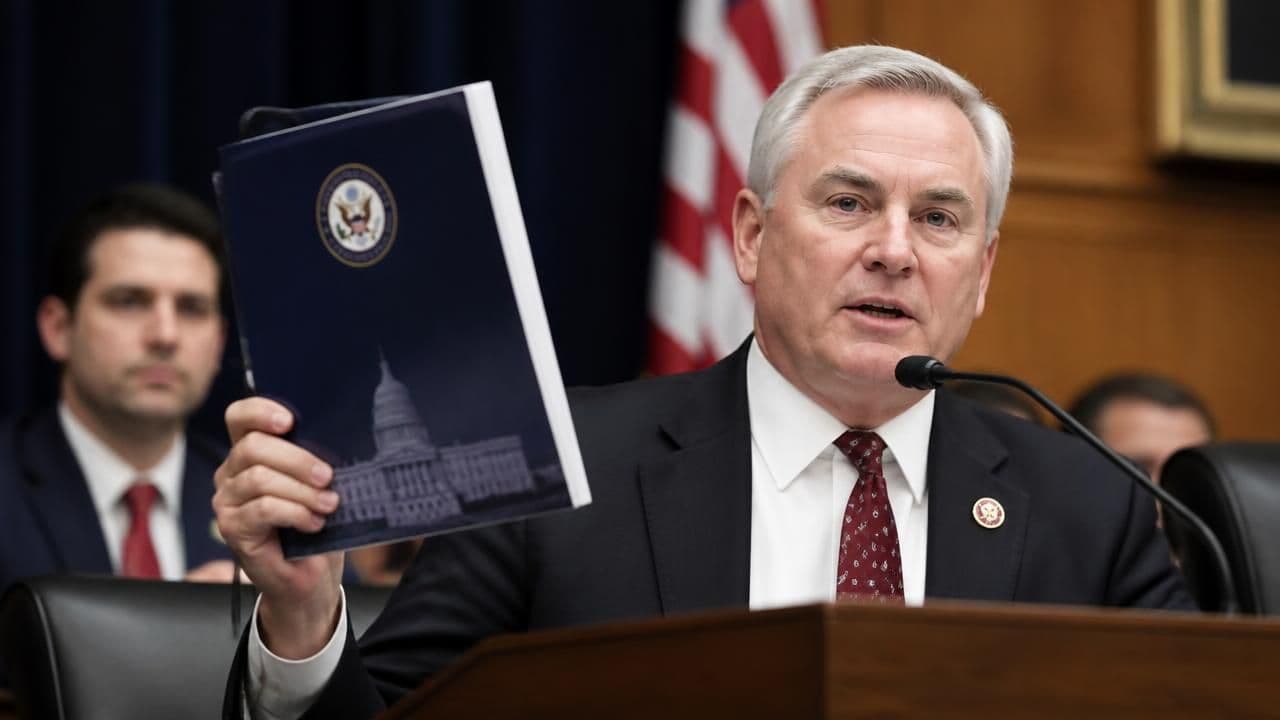
House Republicans formally demanded answers from Huang, requesting information about the reported relationship and about what the company knew of the woman's background. Separately, lawmakers and policy analysts said the episode is likely to accelerate legislation aimed at tightening China's access to American AI hardware—turning a corporate embarrassment into a legislative catalyst.
"The Nvidia chief was seen as the target of a Chinese spy plot," The New York Times reported, framing Huang as a potential victim of foreign intelligence collection rather than a willing participant.
That distinction matters enormously. Where the Times and Fox Business described Huang as a target of suspected Chinese intelligence, tabloid coverage in The Sun and aggregators on MSN leaned into the affair itself, with headlines about a "billionaire US tech mogul, 63" and "shockwaves across the globe." The Sun's account also asserted that British pension funds were exposed through their holdings in Nvidia stock—a reminder of how widely the company's shares are held by ordinary savers.
President Trump, asked about the matter, said he had spoken with Huang, who denied knowledge that the woman was an alleged spy. Trump defended the executive, describing him as "honourable"—an intervention that appears to have softened the political temperature around the CEO even as congressional scrutiny continues.
Investors Head to Court
On the financial side, Nvidia shareholders filed suit alleging that investors were misled—specifically, that the company failed to disclose a relationship that carried material reputational, legal and geopolitical risk. The complaint, reported by Courthouse News and the Seattle Times among others, follows the standard securities-fraud theory: that a known risk was concealed or understated, and that shareholders bought stock without the information needed to price it.
Such suits are difficult to win, requiring proof of scienter and materiality. But the litigation creates a second front, forcing document production that could surface in parallel congressional and regulatory inquiries. Analysts noted that Nvidia's valuation leaves it unusually exposed to headline risk; even a modest de-rating on governance concerns translates into hundreds of billions in market capitalization.
Why It Matters Beyond Nvidia
- Export controls: The scandal gives hawks a concrete anecdote to support tighter restrictions on AI chip sales and stronger end-use monitoring.
- Corporate governance: Boards face renewed questions about personal-security vetting for executives at firms holding sensitive technology.
- Counterintelligence: The case illustrates a classic pattern—human intelligence targeting a single decision-maker rather than a network.
- Market structure: Index funds and pension schemes worldwide hold Nvidia, meaning governance shocks are transmitted to retirement savers.
What Comes Next
The immediate focus is the outside counsel's findings and whether Nvidia chooses to publish them. Congressional committees have signaled they expect documents; the shareholder plaintiffs will seek the same material in discovery. Meanwhile, the legislative calendar in Washington is already crowded with China technology bills, and staffers on both sides of the aisle now have a vivid example to cite.
For Huang, the reputational question is whether he is remembered as a target of foreign intelligence or as an executive who exercised poor judgment. For Nvidia, the operational question is narrower and more consequential: whether the episode changes the trajectory of export policy toward the company that supplies the world's most sought-after chips.