Pakistan's defense minister has injected a note of cautious optimism into the long-stalled U.S.-Iran standoff over the Strait of Hormuz, saying the two adversaries are "close to some sort of arrangement" even as both sides appear to be digging in further. The statement, reported by Bloomberg, comes amid a new diplomatic push reportedly initiated by China that could see Pakistan and Iran explore a path toward fresh negotiations with Washington.
A Fragile Window
The minister's remarks, made without specifying a timeline or framework, suggest that behind-the-scenes channels may be more active than public posture suggests. Yet they clash sharply with the visible hardening of positions: President Donald Trump has continued to apply maximum pressure, while Iranian officials have repeatedly rejected talks under sanctions. The contradiction points to a complex diplomatic dance, with multiple actors attempting to bridge a yawning gap.
China's Role
According to sources cited by MSN, Pakistan and Iran are exploring a new round of talks with the U.S. under a "China-initiated push." Beijing, a major buyer of Iranian oil and a close partner of Islamabad, has a strategic interest in stability in the Strait, through which roughly 20% of global oil passes. China's involvement could provide a face-saving channel for all parties, but it also adds a layer of geopolitical competition at a time when U.S.-China relations are already fraught.
Why the Strait Matters
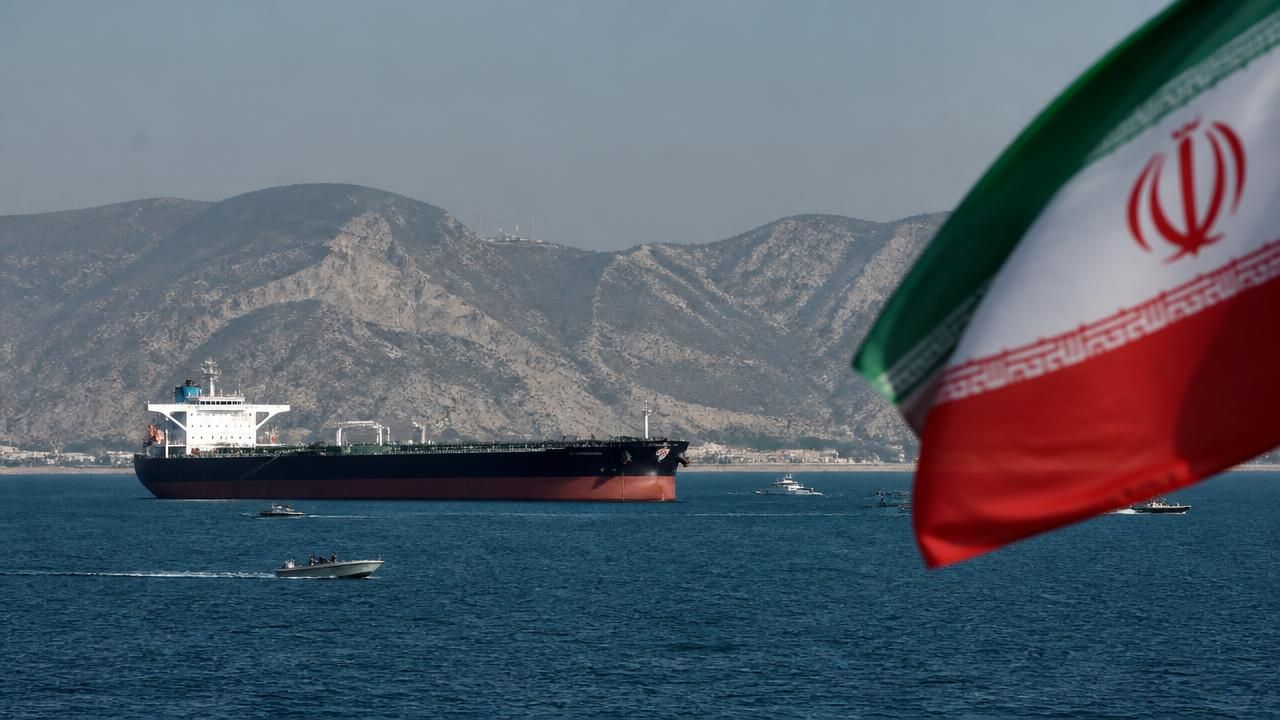
The Strait of Hormuz is one of the world's most critical maritime chokepoints, connecting Persian Gulf producers to global markets. Any disruption sends shockwaves through oil prices and energy security. Noam Raydan, William Sudhaus Senior Fellow at The Near East Institute, emphasized that data shows the Strait of Hormuz and the Red Sea "will remain essential choke points" for the foreseeable future. This reality anchors the strategic calculus of every country involved, from the Gulf states to China to the United States.
"The data shows that the Strait of Hormuz and Red Sea will remain essential choke points." — Noam Raydan, William Sudhaus Senior Fellow at The Near East Institute
Divergent Framings
The news has been framed differently across outlets. Bloomberg Markets focuses on the contradiction between the defense minister's optimism and the hardened stances. MSN headlines highlight the dragging standoff and Trump's tougher tone, as well as the China-initiated push. The difference in emphasis reveals how much hinges on interpretation: is this a genuine breakthrough or just diplomatic signaling? The lack of concrete details from any side suggests the latter is more likely, but the very existence of these exploratory moves is notable after years of near-total deadlock.
- Bloomberg Markets: Emphasizes the near-arrangement despite hardened positions.
- MSN: Highlights Trump's tougher stance and the China-backed initiative.
- Pakistan's defense minister: Offers an unusually optimistic read on the negotiations.
What's at Stake
For Pakistan, brokering any U.S.-Iran understanding would elevate its regional standing and could help ease its own economic crisis, which has been exacerbated by global energy volatility. For Iran, a deal could unlock sanctions relief and revive its oil exports, but Tehran remains wary of U.S. commitments. For Washington, a limited arrangement might reduce tensions without conceding too much, but Trump's base would likely view any deal as a betrayal of his "maximum pressure" doctrine.
The Road Ahead
The immediate path is murky. Both Iran and the U.S. have denied they are close to a deal in other recent statements, and the defense minister's comments may not reflect official policy. However, the China-backed initiative offers a new variable. Analysts like Raydan caution that even if talks occur, the underlying strategic competition will not disappear. The choke points will remain central to global energy security, and any agreement will need to be resilient enough to survive changes in leadership in both Washington and Tehran.
As the world watches, the Strait of Hormuz remains a barometer of geopolitical risk. Whether the recent signals lead to real negotiations or just more false starts, the region's importance is unlikely to fade.