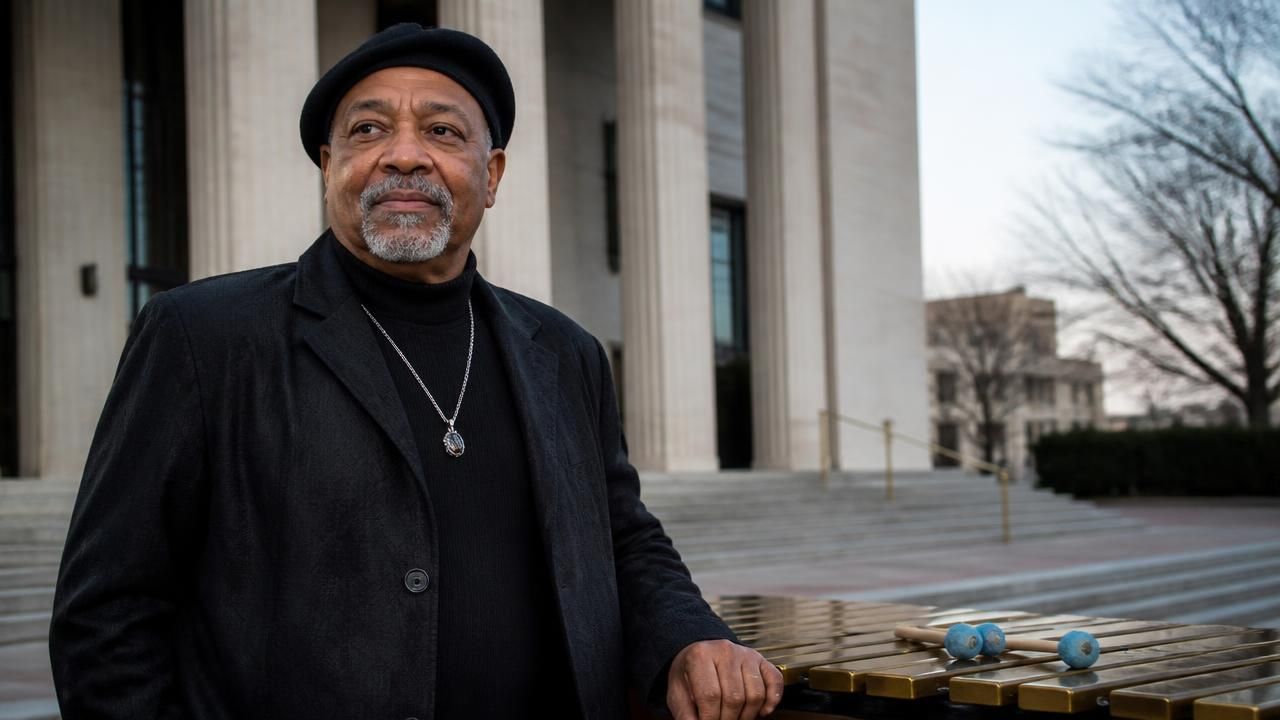
In a decisive legal victory for artistic protest, the Kennedy Center has been ordered to pay more than $250,000 in legal fees to jazz vibraphonist Chuck Redd, who canceled his annual Christmas Eve performance to protest the addition of President Donald Trump's name to the national cultural complex. The ruling, handed down in D.C. Superior Court, caps a bitter dispute that began in February 2025 when the Center underwent a controversial leadership overhaul under Trump's chairmanship.
Who is Chuck Redd and Why Did He Cancel?
Chuck Redd, a veteran jazz vibraphonist and drummer, had been a fixture at the Kennedy Center for decades, performing over 70 times since the early 1990s. His annual Christmas Eve show was a beloved tradition for local audiences. But when the Center's board—reshuffled under Trump's direction—voted to have Trump's name displayed on the building's facade and promotional materials, Redd decided he could not in good conscience take the stage.
"I felt that adding President Trump's name to the Kennedy Center, an institution dedicated to the memory of a president who championed the arts, was a betrayal of its founding spirit," Redd said in a statement at the time. "I could not perform under that banner."
His decision came amid a wave of similar protests from artists and former board members. Several other performers, including iconic names from the worlds of theater and music, also pulled out of scheduled appearances. But Redd was the only one who faced legal retaliation.
The Lawsuit and Dismissal
In March 2025, the Kennedy Center filed a breach of contract lawsuit against Redd, seeking damages for the cancellation of his Christmas Eve performance. The Center argued that Redd had a binding obligation to perform and that his political objections did not constitute a legal justification for breaking the contract. Legal analysts noted that the suit was unusual—most organizations would quietly resolve such disputes, not sue a beloved performer for exercising his conscience.
Redd countersued, asserting that his cancellation was protected speech under D.C. law, which allows artists to withdraw from contracts when they face a "substantial and unreasonable" change in the terms or conditions of performance. His legal team also argued that the addition of Trump's name fundamentally altered the nature of the venue, making it a different institution from the one he had agreed to perform at.
June Dismissal: A Rebuke to the Center
In June 2025, D.C. Superior Court Judge Anita Josey dismissed the Kennedy Center's lawsuit, siding with Redd. The judge ruled that Redd's cancellation was a form of symbolic protest protected by the First Amendment, and that the Center's attempt to force him to perform would amount to compelled speech. The dismissal was widely reported by NPR, Reuters, and other outlets, with many legal experts calling it a landmark protection for artists' rights.
Following the dismissal, Redd's legal team filed a motion to recover attorneys' fees under D.C.'s Anti-SLAPP Act, which protects individuals from lawsuits designed to silence public protest. The Kennedy Center opposed the motion, arguing that its suit was not a strategic lawsuit against public participation, but a routine contractual dispute. The court disagreed.
The Latest Ruling: $250,000 in Legal Fees
On Friday, the same court ordered the Kennedy Center to pay $250,000 in legal fees to Redd, with some sources reporting the amount exceeds that figure when costs and expenses are included. The ruling is a stinging financial penalty for the institution, which has sought to project an image of stability amid leadership turmoil.
"This order vindicates not only Chuck Redd but every artist who dares to take a stand against political coercion in the arts," said Logan Harmon, Redd's attorney. "The Center's attempt to bully a jazz musician into silence has backfired, and the message is clear: the courts will not be used to silence dissent."
The Kennedy Center has not yet indicated whether it will appeal. In a brief statement, a spokesperson said, "We are reviewing the decision and considering our legal options. We remain focused on our mission to present the finest in performing arts."
How Different Outlets Framed the Story
The ruling generated a flurry of coverage, with each publication emphasizing a different angle:
- NPR and WGLT led with the practical outcome—the $250,000 fee award—and its significance for other artists considering similar protests.
- Rolling Stone and Yahoo Entertainment positioned the story as a rebuke to Trump's "takeover" of the Kennedy Center, noting that the fees came from an institution now under Trump's control.
- Forbes highlighted the "more than $250,000" figure, underscoring the financial burden on a center that has faced federal funding uncertainty.
- Reuters and Bloomberg took a more legalistic tone, discussing the Anti-SLAPP statute and its implications for future disputes between artists and institutions.
This diversity of framing reflects the broader cultural and political stakes of the case. It is not merely a contract dispute; it is a bellwether for how courts will handle conflicts between political speech and commercial obligations in the arts.
Historical Context and Implications
The Kennedy Center, established in 1971 as a living memorial to President John F. Kennedy, has long been a beacon of cultural diplomacy and artistic freedom. The building's name and reputation are closely tied to the Kennedy family's legacy and the ideal of nonpartisan arts patronage. Trump's decision to place his own name on the center was seen by many as a symbolic capture of an institution that had previously avoided partisan branding.
This legal ruling arrives amid a broader national conversation about the role of political pressure on cultural institutions. Museums, theaters, and concert halls across the country are increasingly facing pressure from politicians and donors to align their programming and branding with specific political agendas. The Redd case offers a clear precedent: when institutions use litigation to punish artists for political speech, they may find themselves paying a heavy price.
Legal experts say the award could have a chilling effect on similar lawsuits. "This is a wake-up call for any organization that thinks it can use the courts to silence critics," said Maria Delgado, a law professor at Georgetown University. "The Anti-SLAPP fees statute is designed to discourage exactly this kind of retaliation, and the size of the award here makes clear that courts are willing to enforce it."
For Redd, the outcome is bittersweet. He has not yet returned to the Kennedy Center stage, though he says he would consider it if the Trump name were removed. "I love that hall and the musicians who play there," he told reporters. "I hope one day it again belongs to the people and to the arts, not to any single politician."
The Kennedy Center's financial outlook remains uncertain. The institution, which relies on federal appropriations, ticket sales, and donations, has faced declining revenue and public criticism from Trump supporters who view the lawsuit as a waste of resources. The $250,000 fee award will be paid from the Center's operational budget, potentially affecting future programming. It is a steep price indeed for a failed attempt to muzzle a musician.
What's Next?
As the Kennedy Center weighs an appeal, artists and legal observers will watch closely. A successful appeal could muddy the legal picture, but given the strength of the June dismissal, many experts expect the fee award to be upheld. Meanwhile, the broader question remains: Can a cultural institution, now named after one president and bearing the name of another, serve as an unbiased home for the arts? The Redd case suggests that answer will be determined not only in concert halls but in courtrooms.
For now, Chuck Redd's vindication stands as a stirring reminder that the arts are not merely entertainment—they are a powerful form of speech. And the cost of suppressing that speech is growing higher every day.