A federal judge has expanded a nationwide injunction that bars the U.S. Postal Service from carrying out key provisions of President Trump’s executive order on mail-in voting, dealing another legal setback to the administration’s efforts to overhaul election procedures before the midterm elections.
The ruling, reported by NPR, USA Today, Reuters, Bloomberg, and other outlets, extends a previous block that had applied to a limited number of states, now covering all 50 states. The judge found that the Postal Service’s planned enforcement of the directive could disenfranchise voters.
What the executive order requires
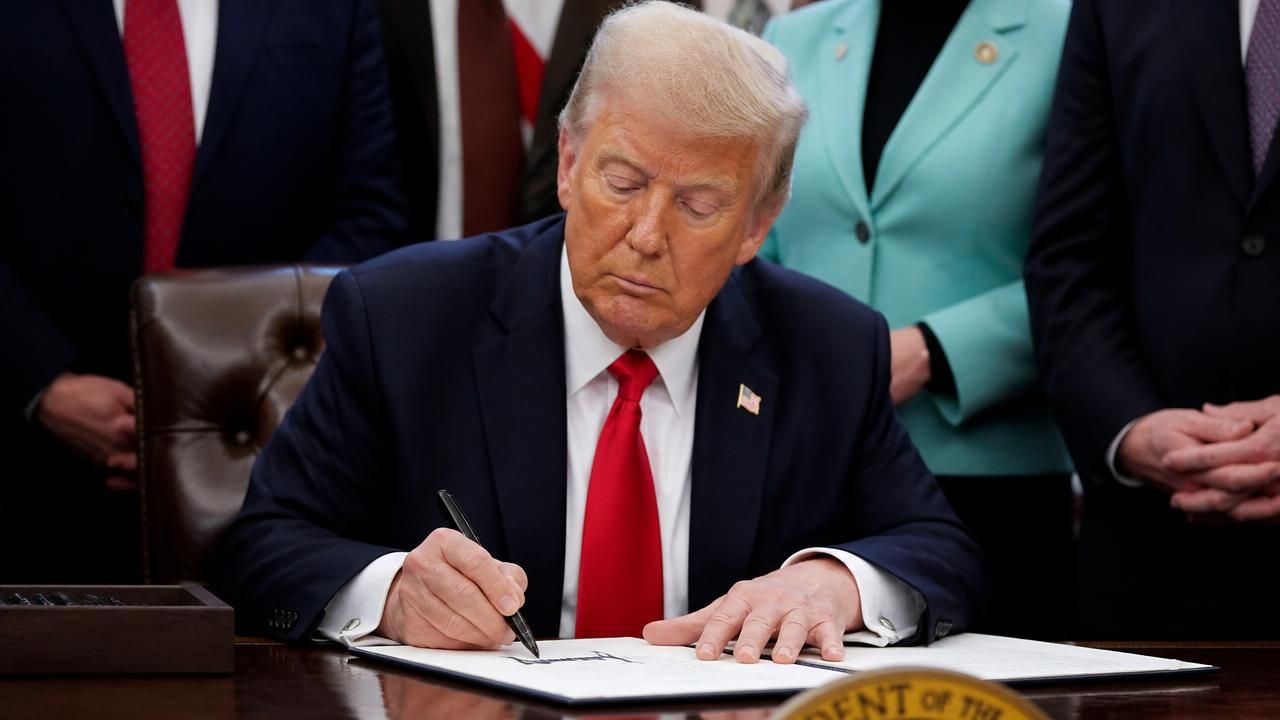
In March, President Trump signed an executive order aimed at “protecting the integrity of American elections.” Among other measures, it directed the U.S. Postal Service to refuse mail ballot deliveries from states that do not provide specified voter registration and list-maintenance data—information that many states, particularly those with Democratic leadership, have said they will not share. According to CNN’s reporting, the Postal Service’s implementation plan would have halted ballot deliveries for non-compliant states.
Critics argue the order imposes impossible burdens on election officials and disproportionately affects military personnel, overseas voters, and residents of states like California, where ballot access is broad.
The judge’s rationale
The American Civil Liberties Union, which is party to the lawsuit, hailed the expanded injunction. In a statement, the ACLU emphasized the judge’s finding that disenfranchisement is “plausibly likely and imminent.” The organization said the order would “create chaos” for millions of voters and “make it harder, if not impossible, for many people to vote by mail.”
“The court recognized that the executive order is not a lawful exercise of presidential power, but a direct threat to the right to vote,” said an ACLU attorney.
The judge’s order specifically prohibits the USPS from enforcing directives that require states to hand over voter lists as a condition for mail ballot delivery. It also blocks any USPS policy that would treat mail ballots differently based on the state of origin.
Not all courts agree
However, the legal picture is nuanced. The Citizens' Voice reported that a different judge refused to block the order itself, ruling that there was no immediate effect on the midterms. That highlights a split among courts over how far a president can go in setting election policy—a question that may ultimately reach the Supreme Court.
The conflicting rulings underscore the contested nature of executive power and the urgency of resolving these questions before the next election cycle.
A broader pattern of judicial pushback
The mail-in voting case is one of several recent courtroom defeats for the Trump administration. In the same news cycle, other federal judges and courts have weighed in on a range of executive actions:
- A federal judge again blocked Trump from sending National Guard troops to Oregon without state consent, as CNN reported.
- The Supreme Court, in a separate case, expanded presidential power over federal regulators—though it stopped short of giving the president control over the Federal Reserve, as The New York Times noted.
- The American Immigration Council analyzed a birthright citizenship decision that, in their view, expanded the president’s authority over immigration policy.
- The Los Angeles Times covered an extended block on Trump’s $1.8 billion “Anti-Weaponization Fund,” a program critics called a political slush fund.
These cases, taken together, illustrate a judiciary struggling to define the limits of executive action in a polarized era. Beyond these legal disputes, other political news—such as a Texas congressional special election covered by Wikinews—continued to develop against this backdrop of constitutional tug-of-war.
What happens next
For now, the Postal Service is barred from implementing the contested provisions. The administration is expected to appeal the expanded injunction, and legal experts anticipate a fast-tracked appellate review given the proximity of the midterm elections.
Election officials across the country are watching closely. Many have already begun printing ballots and preparing mail-in voting infrastructure. A last-minute change in delivery rules could cause significant disruption.
The ruling is not a final judgment on the executive order’s lawfulness. It is a preliminary injunction, meaning the judge found that plaintiffs are likely to succeed on the merits. A full trial, or a higher court’s review, will determine the fate of the order.
For voters, the immediate impact is reassuring: mail-in ballots will continue to be delivered as usual, at least for now.