A sweeping investigation published this week has exposed decades of alleged sexual, physical, and emotional abuse at a prestigious Michigan art school, sending shockwaves through the elite arts community. Separately, diplomatic tensions with Iran are intensifying, with experts warning that Tehran's long-game approach to negotiations could significantly influence the upcoming U.S. midterm elections.
Decades of Abuse at Elite Michigan Art School
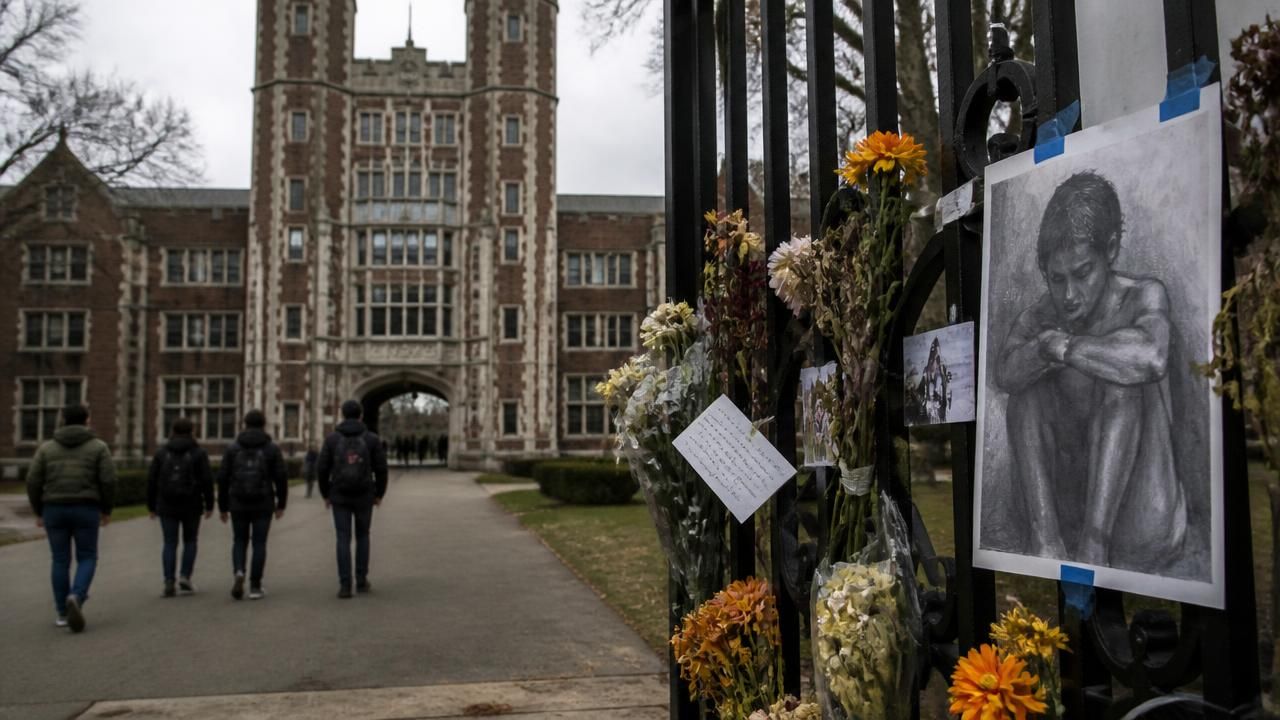
The report, compiled by an independent investigative firm and released Monday, accuses multiple former faculty and staff members of a pattern of abuse dating back to the 1970s. The school, which has not been named in initial coverage but is described as an elite boarding academy for the arts, is now facing mounting pressure from victims, parents, and state regulators.
NPR spoke with one of the victims, now in her 50s, who described a culture of silence and intimidation that allowed the abuse to persist for decades. “They told us we were special, that we had to endure things others couldn’t understand,” she said. “That’s how they got away with it.”
Key Findings from the Report
- At least 30 former students have come forward with credible allegations spanning five decades.
- The abuse ranged from inappropriate touching to psychological manipulation, often under the guise of mentorship.
- School administrators were aware of complaints as early as the 1990s but failed to report them to authorities.
- A pattern of non-disclosure agreements enabled accused staff to leave quietly and find positions elsewhere.
The report also highlighted systemic failures, including a lack of oversight for one-on-one instruction sessions and inadequate background checks for new hires. Educational experts say such environments are ripe for exploitation.
“Arts institutions often foster intense, intimate mentor-student relationships, which, without proper safeguards, can blur boundaries and lead to abuse,” said Dr. Ellen Hart, a child safety researcher at the University of Michigan. “This case is a tragic reminder that prestige and reputation are no protection against predation.”
State authorities have opened a criminal investigation, and several alleged victims have filed civil suits. The school’s current administration released a statement expressing “horror and regret,” vowing to implement new safety protocols and cooperate fully with investigators. However, many survivors remain skeptical.
Iran's Long Game and the Midterm Elections
Meanwhile, on the international stage, Iran’s approach to nuclear negotiations is drawing scrutiny from foreign policy analysts. With talks stalled over uranium enrichment demands and sanctions relief, Tehran appears to be deliberately prolonging the diplomatic process to avoid a destabilizing confrontation. But that strategy may ripple into U.S. domestic politics, just weeks before the midterm elections.
President Biden’s administration has sought to revive the 2015 nuclear deal, but Iran has repeatedly expanded its nuclear program, citing U.S. sanctions as provocation. Polls suggest that voters are sharply divided: some view inaction as weakness, while others fear a new war. Republican candidates have seized on the issue, accusing the administration of “caving to Iranian brinkmanship.”
“Iran is playing the long game,” said Dr. Sanam Vakil, a Middle East expert at Chatham House. “They know midterm politics make it nearly impossible for the White House to make bold concessions. So they wait, hoping to outlast U.S. political cycles.”
How the Iran Crisis Could Shape Election Outcomes
- Rising gasoline prices, exacerbated by geopolitical uncertainty, are a top concern for voters.
- Republicans are using Iran to frame Democrats as weak on national security, targeting swing districts.
- Democratic candidates are split, with some urging renewed diplomacy and others pressing for tougher sanctions.
- Experts predict that a major escalation before November could shift independents toward the GOP.
Iran’s leadership has signaled it will resume negotiations after the midterms, a timeline that analysts say is strategically calculated to avoid influencing the vote. Yet, that is precisely the kind of manipulation that could anger voters. “It’s a double-edged sword,” Vakil added. “If there is a crisis, the administration gets blamed. If there is no deal, they also get blamed.”
Implications for America and the World
Both stories underscore a broader theme: the long shadow of institutional betrayal and geopolitical gamesmanship. In Michigan, survivors are pushing for a national registry of banned educators to prevent similar abuses. In Washington, lawmakers are grappling with how to respond to an adversary that has mastered the art of waiting.
The art school report is a call to action for all educational institutions, especially those catering to minors. It echoes scandals at other schools, such as the 2018 USA Gymnastics case, where persistent abuse went unchallenged for years. Many states are now reviewing statutes of limitations, recognizing that victims often take decades to come forward.
For Iran, the long game may ultimately backfire. While Tehran seeks to weather the storm, its continued nuclear expansion risks triggering harsher sanctions or military action from Israel, which has vowed to prevent Iran from developing a bomb. Any such escalation would likely dominate news cycles and alter midterm dynamics in unpredictable ways.
As the world watches, both the traumatized survivors of a Michigan art school and anxious voters in the United States await answers. The coming weeks will test whether institutions—whether schools or governments—can truly learn from their past mistakes or remain trapped in cycles of denial and delay.