The summer travel season is setting records once again, with airlines carrying more passengers than ever while operating fewer flights than two decades ago. This surge is pushing the U.S. aviation system to its limits, sparking concerns over safety, security, and operational strain at airports nationwide.
Record Crowds and Operational Strain
According to NPR and other sources, U.S. airlines are transporting unprecedented numbers of travelers. However, the number of flights has actually decreased compared to 20 years ago, leading to fuller planes and congested airports. This imbalance is testing the infrastructure and personnel of the aviation system.
In Chicago, Axios reports that summer travel is expected to bring flight cuts, rising fares, and TSA delays. Similarly, Knoxnews highlights that airport shutdown stress will persist as McGhee Tyson Airport in Tennessee braces for the holiday travel season, indicating that delays could continue.
Safety Concerns and Pilot Warnings
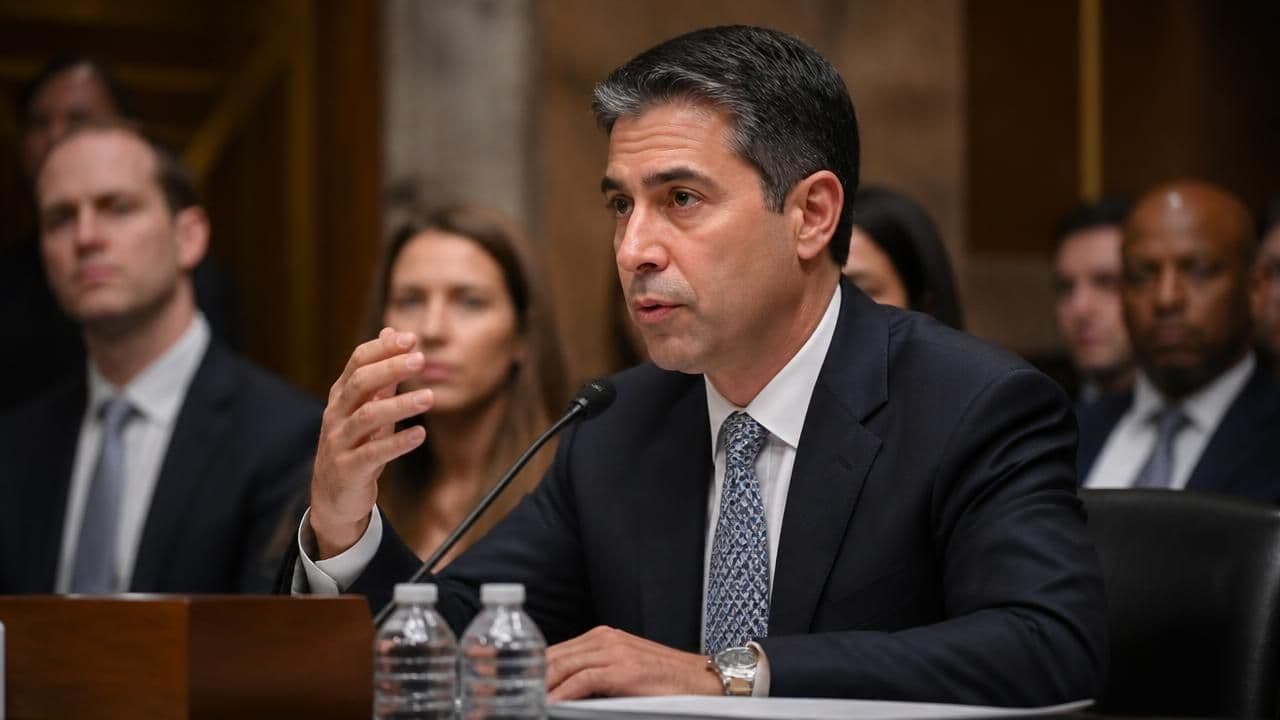
Fox News emphasizes that aviation safety is under strain, with pilots pushing Congress to address technology and staffing issues. Pilots are speaking out about safety concerns, urging policymakers to listen and act. The article notes that when pilots raise alarms, it is critical for lawmakers to respond.
HSToday.us adds a security dimension, reporting that aviation security is under stress due to operational risks at America's airports during disruptions. The piece underscores the need for robust security measures amidst the chaos of record travel.
Differing Perspectives and Systemic Issues
While sources like NPR and WWNO focus on the record-breaking passenger numbers and system strain, Fox News zeroes in on pilot safety warnings. Axios and Knoxnews provide local perspectives, highlighting specific challenges in Chicago and Knoxville. HSToday offers a security-focused angle, linking operational stress to potential vulnerabilities.
These differing viewpoints converge on a common theme: the U.S. aviation system is struggling to keep pace with demand, and the consequences are being felt across safety, security, and passenger experience.
Historical Context and Data Points
Historically, the aviation system has faced periodic capacity crunches, but the current situation is unique due to the combination of record passenger volumes and reduced flight schedules. Data from the FAA shows that passenger numbers have rebounded beyond pre-pandemic levels, while airlines have consolidated routes and reduced frequencies to manage costs.
Experts note that the shortage of air traffic controllers, aging infrastructure, and security checkpoint bottlenecks are exacerbating the problem. TSA wait times have increased, and some airports have experienced temporary closures due to staffing shortages.
Implications and Calls for Action
The implications are far-reaching. For travelers, this means higher fares, longer delays, and a more stressful experience. For the industry, it raises questions about sustainability and safety. Pilots and security officials are calling for increased investment in technology, staffing, and infrastructure.
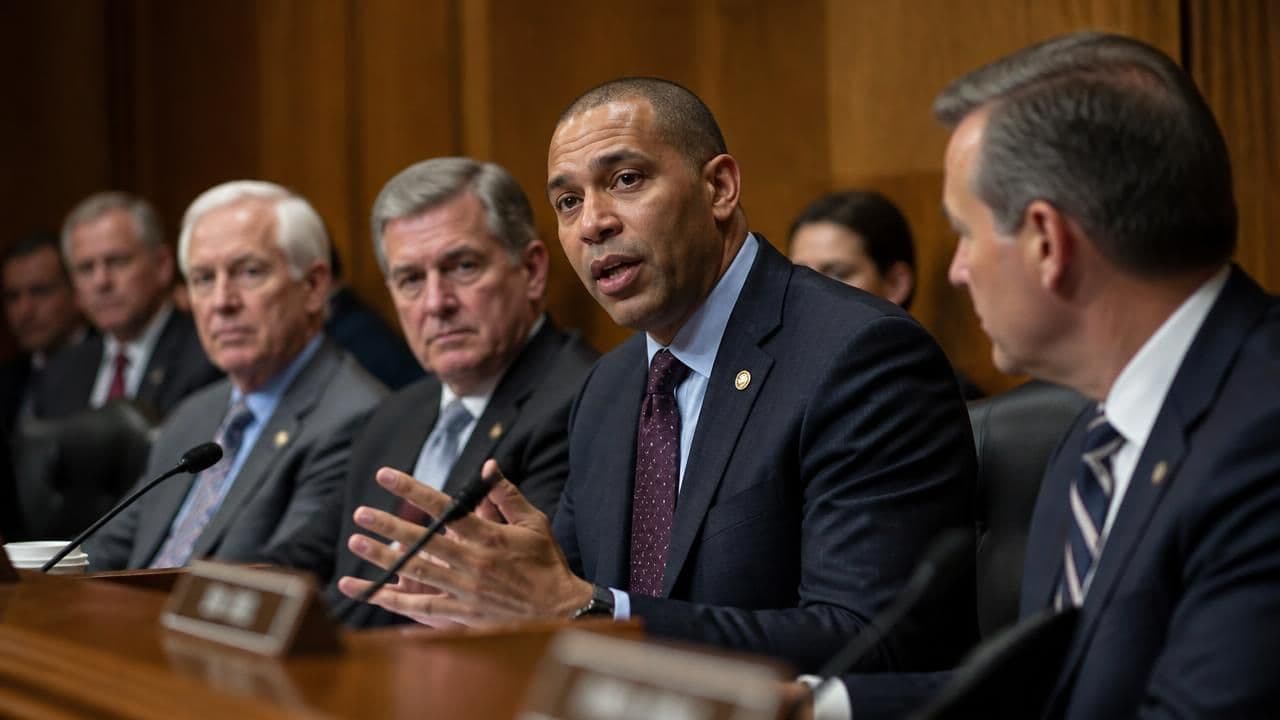
Policymakers face pressure to act. Congress is considering bills to fund air traffic control modernization and increase TSA staffing. However, political gridlock and competing priorities may slow progress.
Conclusion
The record-breaking summer travel season has exposed deep strains in the U.S. aviation system. As passengers fill planes and airports, the margins for error shrink. The voices of pilots, security experts, and local officials all point to the need for urgent action. Without meaningful investment and reform, the system may continue to operate under stress, risking safety and security.