In a striking political convergence, data centers—the power-hungry facilities that underpin the digital economy—have become a top campaign issue in state races from the Midwest to the East Coast. Candidates as ideologically different as Wisconsin Democratic gubernatorial hopeful Francesca Hong and Ohio Republican candidate Vivek Ramaswamy have both called for moratoriums on new data center construction, signaling a rare moment of bipartisan concern.
The issue has quickly moved from industry trade journals to campaign trail rhetoric, with voters increasingly questioning whether the economic benefits of data centers outweigh their environmental and community costs. According to NPR, this has made data centers a potent political issue that crosses party lines, driving voters to candidates who take a stand on both sides of the aisle.
A Growing Political Flashpoint
Francesca Hong, a Democrat running for governor in Wisconsin, has proposed a halt on all new data center permits until the state can assess their cumulative impact on energy grids, water supplies, and local infrastructure. On the other side of the political spectrum, Vivek Ramaswamy, a Republican candidate in Ohio, has similarly endorsed a temporary freeze, arguing that data centers are diverting resources from other priorities and turning into a form of corporate welfare. Their shared stance underscores how the issue is no longer a niche concern but a central question about development and public interest.
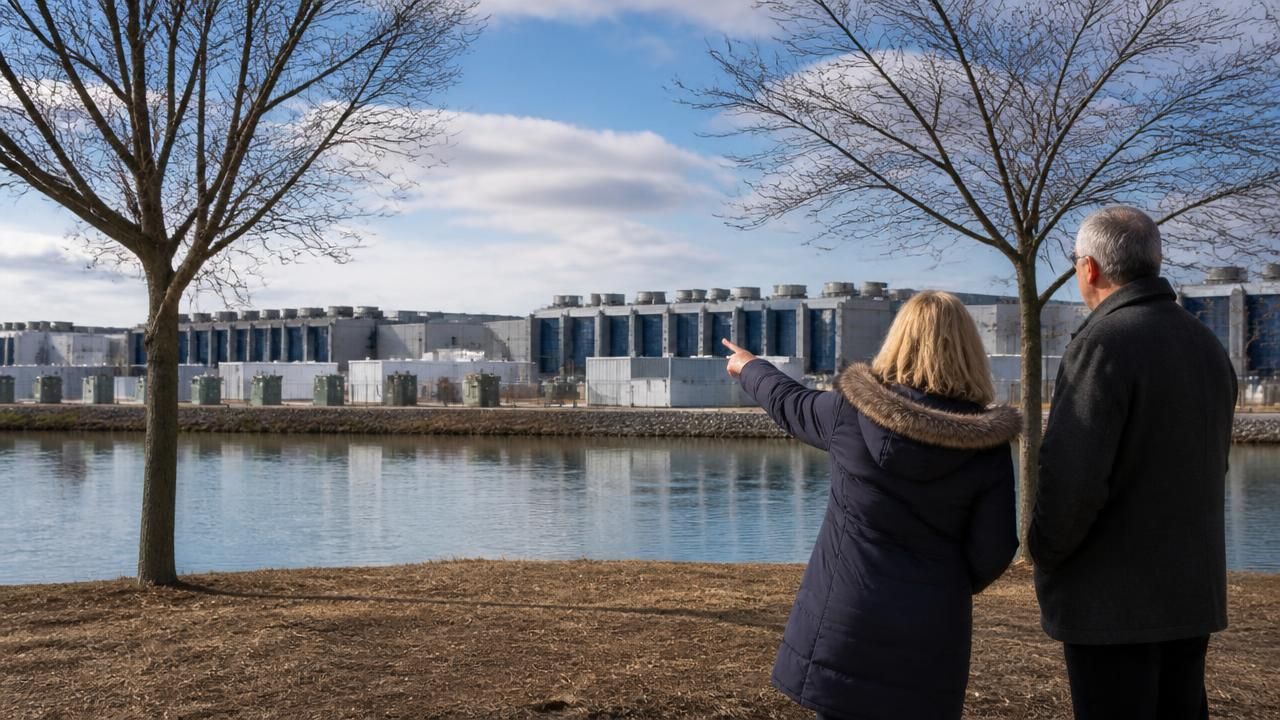
The shift is being driven by the explosive growth of the data center industry. As MSN's analysis of "The shift towards data centers" notes, the boom in cloud computing, artificial intelligence, and streaming services has led to a surge in large-scale facilities being built in states that offer tax incentives and cheap land. But that growth has sparked a backlash among residents who worry about noise, strain on local utilities, and the environmental footprint of these energy-intensive buildings.
Pollution as a Battle Line
Democrats, in particular, are increasingly framing data centers as a pollution problem. MSN's piece, "Democrats see pollution as next data center battle line," reveals that party leaders are zeroing in on the emissions from backup diesel generators, the carbon footprint of 24/7 operations, and the massive amounts of water used for cooling systems. These concerns are already leading to new legislative proposals in several states, where Democrats are pushing for emissions standards and environmental review requirements for data centers before they can break ground.
"Data centers are being marketed as clean high-tech jobs, but they are essentially unregulated industrial facilities," says a hypothetical environmental consultant commenting on the trend, echoing the sentiment of many local activists. "We need to treat them with the same scrutiny as a power plant or a factory."
Why This Issue Crosses Party Lines
The unusual bipartisan agreement comes down to a fundamental tension: data centers promise jobs and economic growth, but they also bring concrete drawbacks that affect voters regardless of party affiliation. For Republicans like Ramaswamy, the concern is often economic sovereignty and the belief that data centers can be a drain on state resources, especially when incentives are handed out without clear returns. For Democrats like Hong, the concern is environmental justice and ensuring that poor or rural communities are not saddled with the costs of infrastructure that mostly benefits tech giants.
This dynamic has made data centers a litmus test for how candidates balance growth and regulation, a theme that resonates in an era of climate anxiety and rising energy costs. As the NPR report suggests, voters are paying attention, and candidates who take a bold stance—even a moratorium—are finding that it can energize their base.
Broader Implications and Culture
The debate is not confined to political circles. The public's unease with rapid technological encroachment has also surfaced in the arts. While not directly about data centers, singer Anohni's song "Drone Bomb Me," which KEDM radio recently featured, captures a broader cultural anxiety about the ways modern technology can unleash invisible destruction on innocent communities. It is a sentiment that locals living near proposed data center sites have articulated in their own words: the fear of waking up one day to a massive, humming facility that changes their landscape overnight.
As states grapple with the data center boom, the outcome of these political battles could set precedents for how other technology-driven industries are regulated. Will moratoriums become a common tool? Will stricter environmental standards force the industry to innovate toward greener designs? These are questions that candidates—and voters—are beginning to ask, making data centers more than just a matter of server racks and chips.
One thing is clear: the data center has become a symbol of the digital age, and its physical footprint is now a political battlefield, with both left and right staking out territory. The coming elections in Wisconsin and Ohio will be an early test of whether this issue can sway voters—and where the next battleground for tech policy will be.