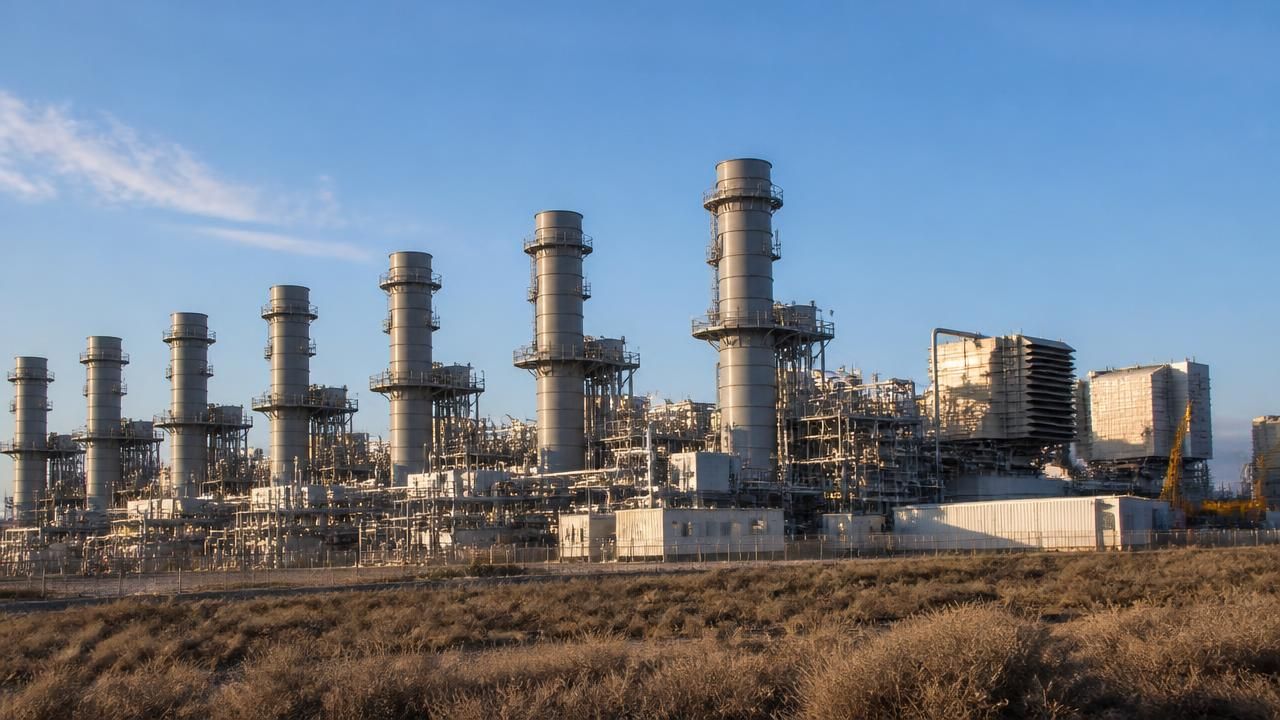
Amazon is quietly backing the construction of a massive natural-gas power plant in Pecos County, West Texas, designed to power a new artificial-intelligence data center. According to a New York Times investigation, the facility—known as GW Ranch—would be among the largest dedicated power plants in the United States, emitting greenhouse gases at a scale that could dwarf most utilities. The Verge reports that the plant will feature 35 natural-gas turbines and generate 7.65 gigawatts of electricity, almost entirely disconnected from the state's power grid, instead feeding its output directly to Amazon’s adjacent data center.
The revelation has sparked alarm among environmental groups and energy experts, who see the project as the starkest example yet of the AI boom’s mounting toll on the climate. “This could be one of the largest single producers of greenhouse gases in the U.S.,” the New York Times wrote, citing an analysis by Cleanview, a data center tracker. The project has already received a Texas permit, and initial construction is underway.
The AI Boom’s Insatiable Appetite for Power
Amazon’s Texas project is hardly an outlier. Across the country, data centers are multiplying at breakneck speed, driven by the computing demands of artificial intelligence, cloud storage, and streaming. The International Energy Agency estimates that data center electricity consumption could double by 2030, with AI performing an outsized role. A recent analysis by Pew Research Center highlights that U.S. data centers consumed about 4.4% of national electricity in 2023, a figure projected to reach 12% by 2028.
In Virginia’s “data center alley,” residents are caught between an economic boom and environmental degradation. The TribLive report notes that the industry underpins the local economy but brings costs: noise, water use, and a strained grid. In Indiana, the Merom coal plant is being revived to power Google and Amazon data centers, even as Hoosiers face the risk of higher bills and pollution. CleanTechnica reported that the “American Amazon” is not only using fossil fuels but also leaving locals to foot the bill.
Fossil Fuels Make a Comeback
The AI boom is reversing years of progress in retiring fossil fuel infrastructure. E&E News reported that pollution from coal plants was dropping until the recent surge in data center demand. Now, utilities are delaying coal retirements and building new gas plants, often with little public scrutiny. In Indiana, advocates say the data center boom makes climate goals “nearly impossible” (IndyStar). The Guardian detailed how Mumbai families suffer as data centers keep the city hooked on coal, calling it “here for us.”
Environmental groups point out that these facilities often receive permits with expedited review. The New Republic, in a scathing piece, titled its report “Amazon Is Creating the Biggest Pollution Source in the Entire Country,” highlighting the regulatory gap that allows private power plants to avoid normal market oversight.
Water Crisis: The Other Hidden Cost
Energy is only one part of the equation. Data centers consume enormous amounts of water for cooling, and the AI boom is stressing arid regions. Rolling Stone reported that Oregon’s data center boom is “supercharging a water crisis,” drawing comparisons to Flint. Bloomerg reported that AI is draining water from areas that need it most, and Heated warns that AI’s water problem is worse than previously thought. A Stanford analysis found that data centers across the U.S. West are “thirsty for power and water,” competing with residential and agricultural users. In one Utah town, residents lost their water taps when Meta built a facility next door, as the New York Times documented in 2025.
Noise, Diesel, and Community Backlash
Pollution and water are not the only concerns. Politico reported the emergence of “high-pitched whine” from nearby data centers, and the Environmental and Energy Study Institute (EESI) noted that communities are raising noise concerns across the country. Backup diesel generators, used so frequently that they sometimes run non-stop, add particulate matter and noise. In West Virginia, residents of Tucker County are fighting a proposed data center, fearing it “will destroy this place,” according to West Virginia Watch. The Los Angeles Times described a heated community meeting where a local resident accused a tech developer, “You’re a liar.”
“The industry comes in and kills the work of local citizens,” one community organizer in Ohio told Politico.
Tech Companies Face Growing Climate Reckoning
Amid the backlash, Big Tech’s net-zero commitments are looking shaky. The New York Times reported that tech giants are now working with the Trump administration to speed up data center permitting and energy access, while their emissions rise. Amazon, Google, Microsoft, and OpenAI have all announced massive expansions, with OpenAI alone planning five new data centers across the U.S. The tension between corporate climate pledges and AI growth is now impossible to ignore: the more powerful the AI, the more coal is burned.
This week, in a telling sign, the nation’s dirtiest coal plant asked for an exemption from pollution rules to meet growing electricity demand. As E&E News put it, “Pollution from coal plants was dropping. Then came Trump and AI.”
What Can Be Done?
Experts are calling for a range of policy fixes: require data centers to source renewable energy, mandate grid connection for private plants, price carbon, and improve energy efficiency in AI chips and cooling systems. Several communities are pushing back with moratoriums, zoning rules, and environmental justice lawsuits. The outcome of these fights will shape not only the environment but also the future of AI itself.
For now, the West Texas project stands as a symbol of the quiet bargains underpinning the digital age. In a desert town, Amazon is building a private power plant so large it could rival a city. The question is whether the public will pay the price.