When Kevin Warsh was sworn in as the 17th chairman of the Federal Reserve, he inherited an institution under fire from all sides. Inflation is running hot, consumer sentiment is souring, and financial markets are jittery over the direction of interest rates. But Warsh, a former Fed governor handpicked by President Donald Trump, has a clear message: The central bank needs a regime change.
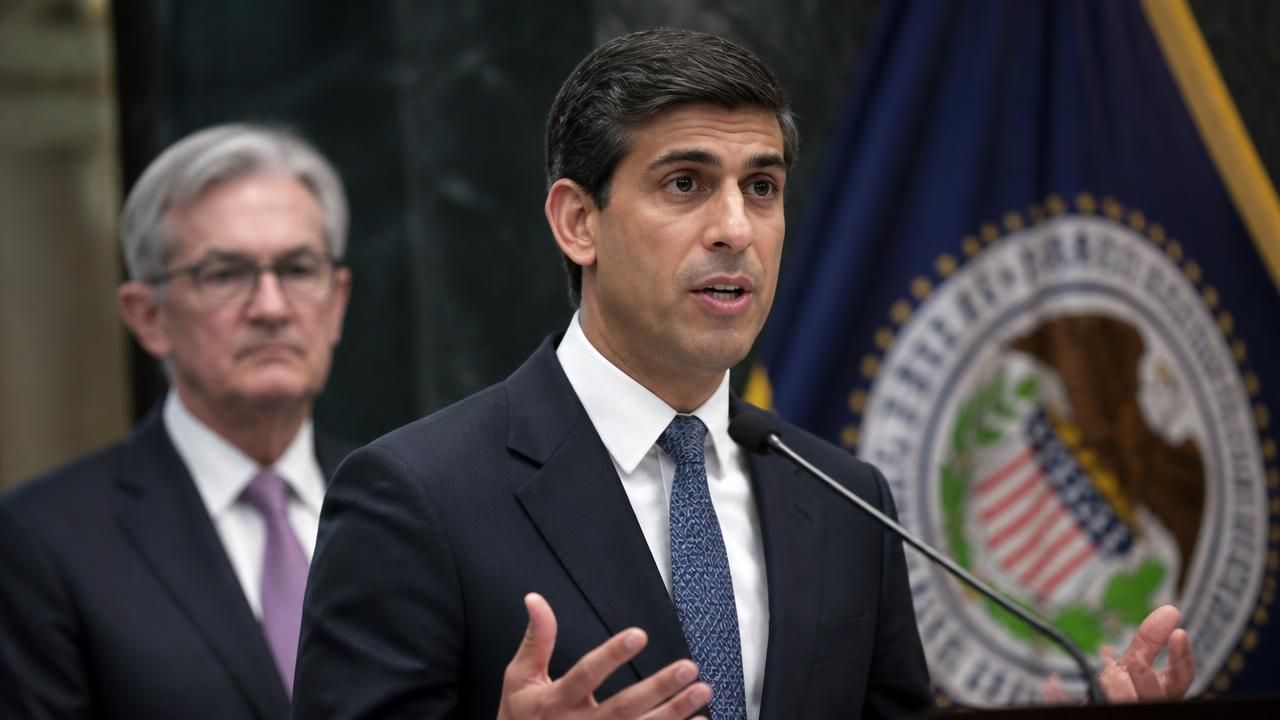
Speaking at his first press conference after taking the helm, Warsh pledged to end what he called the inflation tax on the American people and to overhaul the Fed's approach to policy and communication. The comments, reported by CNBC and MSN, sent ripples through markets and set off a fresh round of speculation about the central bank's next moves.
A New Era at the Fed
Warsh's arrival marks a decisive shift from the tenure of his predecessor, Jerome Powell. According to The New York Times, Warsh has long argued that the Fed's heavy reliance on forward guidance and detailed economic projections has become a liability, not a strength. His vision, as outlined in The Wall Street Journal, is for a more minimalist Fed—one that communicates less and acts more decisively.
In a speech before the Senate Banking Committee, Warsh described his philosophy as a skinny Fed approach, a term that has since been echoed by analysts at KFGO and other outlets. He believes the central bank should not try to explain every twist and turn of its thinking, arguing that excessive transparency has made markets overly reactive to every word from policymakers.
"The Fed has become an information superhighway with so many exits that drivers—meaning investors—never know which one to take," Warsh said, according to a report by Moneywise. "I intend to narrow the road."
This approach carries inherent risks, as New York Times analysts note. When the Fed signals less, markets may fill the vacuum with speculation, potentially increasing volatility. But Warsh appears unfazed, insisting that a less talkative Fed will ultimately be a more credible one.
Markets Brace for a Rate Hike
The immediate challenge for Warsh is the stubbornly high inflation that has confounded the Fed for months. Reuters reported that inflation climbed for the third consecutive month just as Warsh took office, while consumer sentiment tumbled to its lowest level in years. These developments have forced Warsh to recalibrate expectations that Trump's long-touted rate cuts were imminent.
Instead, as TheStreet observed, Warsh's first Federal Open Market Committee (FOMC) meeting resets the debate—not around whether to cut rates, but whether to hike them. Some of Warsh's colleagues on the FOMC now see a rate increase as more likely than a cut, according to KWWL.com, signaling an abrupt reversal from the easing bias of the Powell era.
The Fed ultimately held rates steady in Warsh's debut meeting, a decision that NBC News characterized as a cautious opening move. But the statement accompanying the decision removed previous language about future rate cuts, suggesting the bar for easing is now much higher.
The Politics of Independence
Warsh's close relationship with Trump has raised questions about the Fed's political independence. France24 profiled Warsh as a vow not to be Trump's puppet, but skeptics, including several Democratic senators, have voiced concern that his deference to the president could undermine the central bank's credibility.
During his confirmation hearings, Warsh defended his record, noting that he had criticized Trump's trade policies during his first stint at the Fed. But as Politico reported, Trump specifically tapped Warsh because he was a critic of the central bank—someone willing to break with institutional orthodoxy. Warsh has also called for a partnership with the Treasury, a remark that CNBC interpreted as a sign that he intends to align monetary policy with fiscal policy more closely than his predecessors.
This balancing act—between loyalty to the president who appointed him and the Fed's statutory independence—is one of the five tests identified by MarketWatch for Warsh's tenure. Others include managing the balance sheet unwind, navigating a potential government shutdown, addressing labor market cooling, and restoring the Fed's credibility with Main Street.
A Global Ripple Effect
Warsh's leadership will reverberate well beyond U.S. borders. The Financial Post asked what his tenure will mean for Canada, noting that a more hawkish Fed could pressure the Bank of Canada to follow suit or face a weaker loonie. In his first international appearance, Warsh reportedly told a gathering of central bankers that he intends to coordinate with allies on cryptocurrency regulation—a policy area he believes the Fed has neglected.
What's Next?
In the coming months, Warsh faces a steep learning curve. His regime change rhetoric has raised expectations for bold action, but the realities of a 19-member committee and a fragile economy will test whether he can deliver. As Kiplinger outlined, three key shifts are likely: a reduction in the frequency of press conferences, a scaling back of the Fed's economic projections, and a more aggressive drawdown of the central bank's balance sheet.
Whether these changes succeed will depend on whether Warsh can convince markets that less communication is a sign of strength, not confusion. For now, investors are hedging their bets, and the phrase regime change has become a double-edged sword—signaling both a break from the past and a perilous leap into the unknown.