Europe is in the grip of a brutal summer heatwave that has shattered temperature records, caused thousands of excess deaths, and forced a continent-wide reckoning with the realities of climate change. From the parched fields of Spain to the sweltering streets of Paris, the heat has touched every corner of society, redefining what summer means for millions.
Record Temperatures and a Continent in Crisis
Forecasters across Europe have warned that temperatures could exceed 40°C (104°F) in multiple countries, with national weather agencies issuing red alerts. The Bulletin of the Atomic Scientists noted that the heatwave set all-time high records in several locations, while NationalWorld published maps showing the extreme heat spreading from the Iberian Peninsula to Eastern Europe. NPR described it as "another brutal heat wave," adding that the summer's earlier record-breaking weather already damaged crops, sparked wildfires, and led to increased deaths.
The New York Times, in its tracking of heat across Europe, highlighted how the continent has become a furnace. "Europe's Summer of Reckoning Is 'Just the Beginning,'" one headline read, capturing the growing sense that this is not an anomaly but a precursor of a hotter future. MSN went further, reporting that Europe's summer heat has "broken the bell curve," as a record El Niño builds in the Pacific, amplifying global temperatures.
A Deadly Toll: Heat Stress and Excess Deaths
The human cost has been staggering. The Los Angeles Times reported that heat deaths have topped 25,000 in Europe as scorching weather persists. Earlier estimates from Yahoo News linked the early June heat wave to 14,000 excess deaths in a single week, while Phys.org cited at least 12,000 excess deaths from that same event. The Boston Herald similarly noted that the early heat wave may have killed over 10,000 people across the continent.
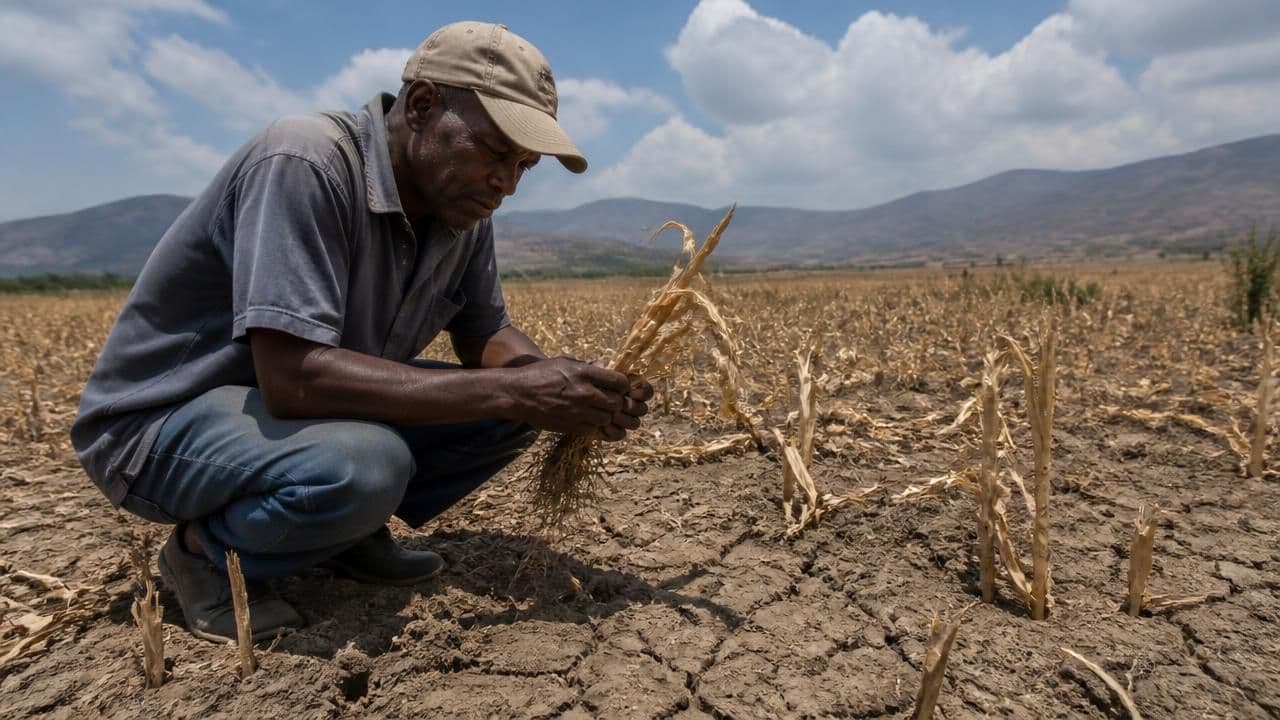
Scientific American underscored the dual threat: "Europe's heat waves are killing thousands—and wringing its soils dry." The combination of extreme heat and drought has devastated agriculture, stressed water supplies, and created tinderbox conditions for wildfires. Euractiv warned that Europe faces a growing threat of heat stress, particularly for vulnerable populations like the elderly and outdoor workers.
"The heat is not just an inconvenience; it's a public health emergency that demands urgent action," said a WHO regional director, as reported by Forbes, who cautioned that extreme heat may continue.
Wildfires, Drought, and Crop Failures
Eastern Europe has been hit especially hard, with Eurasia Review describing "wildfires and heatwaves persist as Eastern Europe faces climate emergency." In France, Spain, and Greece, massive blazes have forced evacuations and destroyed thousands of hectares. NPR's earlier reports linked the heat to crop damage, and ScienceX explored a counterintuitive factor: cleaner skies. Falling pollution may actually amplify Europe's heat, as fewer aerosols mean more sunlight reaches the surface, intensifying the warming.
A study highlighted by Phys.org found that shifting weather patterns drive 55% of Europe's summer drought trend, suggesting that even as global emissions are addressed, atmospheric circulation changes will continue to fuel extreme dry spells.
The Air Conditioning Debate
The heatwave has ignited a political and cultural clash over how to stay cool. The Financial Times published an opinion piece titled "It's time for Europe to embrace air conditioning," arguing that traditional European resistance to AC is outdated and dangerous. The Wall Street Journal echoed this, calling air conditioning "The New Hot Topic in European Politics." But CNN offered a counterpoint: "A very European answer to air conditioning," exploring passive cooling solutions like shutters, ceiling fans, and public cooling centers that avoid the energy and emissions costs of AC.
Europe's low AC penetration rate—fewer than 10% of households have it compared to over 90% in the US, according to some estimates—has become a focal point. While AC can save lives, it also drives up electricity demand. MSN reported that as Europe heats up, summer power prices now match winter peaks, creating a new economic burden for households and businesses.
Impact on Travel and Summer Plans
The heatwave is reshaping tourism, a vital industry for many European economies. Travel columnist Froma Harrop listed "3 reasons not to visit Europe this summer," citing not only the heat but also overcrowding and the strain on infrastructure. The Independent addressed travelers directly, explaining how the sweltering conditions could affect trips to Spain, France, or Greece, from health risks to canceled attractions.
Forbes asked whether travelers are prepared, and TravelPulse suggested destinations that offer relief from the heat, such as the Scottish Highlands or Scandinavian fjords. Business travel advice also emerged, with one outlet urging caution for those heading to France, Spain, Portugal, or Italy. Even Prague Zoo resorted to giving polar bears ice cubes to help them cope, a symbolic image of a continent struggling to adapt.
A Global Context: El Niño and Climate Change
This European crisis is part of a broader global pattern. Wikinews reported that heatwaves are surging worldwide, with global temperatures reaching new highs. The MSN analysis tied Europe's heat to a record El Niño, which is known to boost global temperatures. USA Today published two stark opinions: one arguing that FIFA needs to consider weather when scheduling World Cups, and another warning that "extreme heat is killing more people – and the worst is yet to come."
The connection to climate change is undeniable. Gulf Today called the heatwave "a climate change fallout," and a WVASFM opinion asked, "Is Anything More Urgent Than The Temperature Of Our Planet?" Even the World Health Organization pivoted to summer-specific public health advice on food safety, a sign of how the heat is altering daily life.
What Comes Next
As the heatwave persists, experts say Europe must adapt to a hotter new normal. The New York Times described how extreme heat has "transformed what summer means across generations," with young people growing up in a world their grandparents could not have imagined. The continent's climate leadership, once a model for the world, is being tested by the very crisis it sought to solve.
In the short term, the immediate priorities are saving lives, protecting the vulnerable, and managing fires and water shortages. In the long term, the debate over air conditioning, energy grids, and urban design will define how Europe copes. As one CNN report on heat in the eastern US noted, Europe's experience is a preview of what's to come elsewhere. The summer of reckoning is just the beginning.