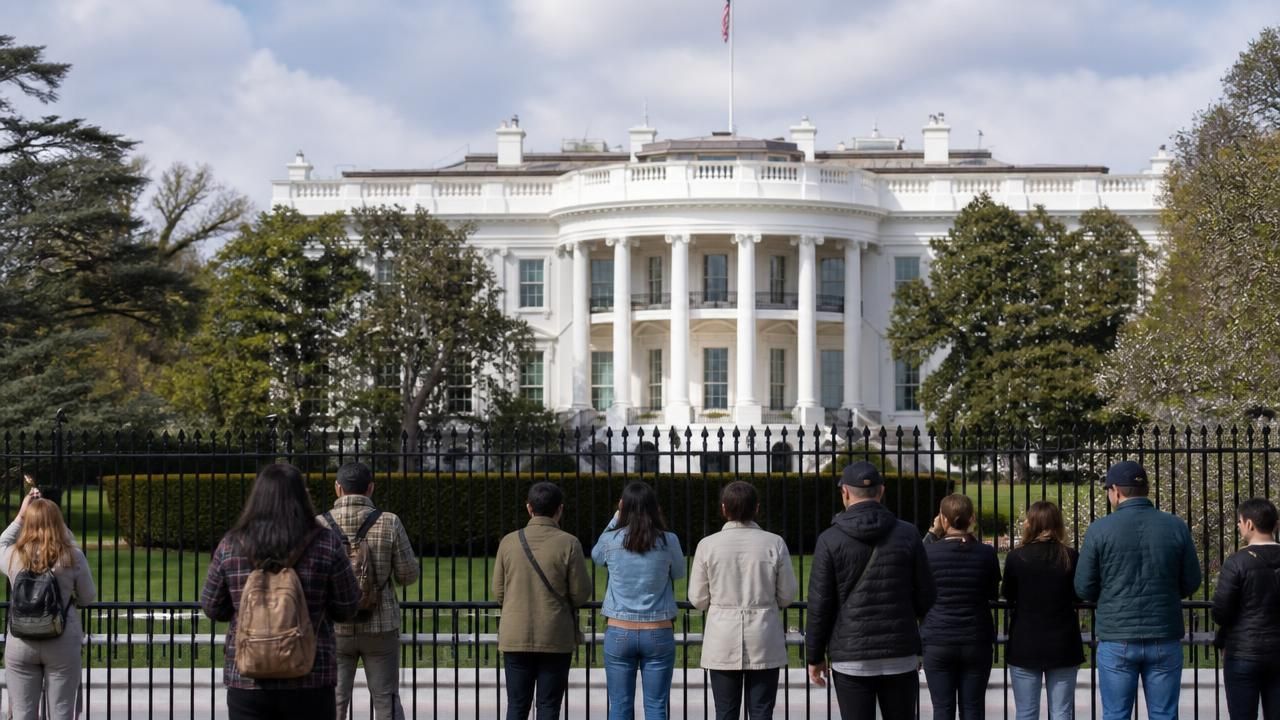
The White House is drafting an executive order that would challenge the childhood vaccine schedule and lend official credence to the long-debunked link between vaccines and autism, according to reports from The Washington Post and Bloomberg. Citing unnamed sources familiar with the effort, the reports say the order—still in flux—could be issued as soon as next week and targets the childhood vaccine schedule, autism research, and parental choice.
What the order would do
Bloomberg reported that the executive order is focused on three core areas: the childhood vaccine schedule, autism research, and parental choice for vaccinations. The Los Angeles Times adds that President Donald Trump has told agencies to align with a study calling for narrower childhood vaccine recommendations—a likely reference to the 'Make America Healthy Again' (MAHA) report championed by Health and Human Services Secretary Robert F. Kennedy Jr. That report, published earlier this year, urges federal agencies to reconsider the current immunization schedule and calls for more research into vaccine safety and autism.
According to the reports, the order would direct federal agencies to review existing vaccine protocols and could instruct the Centers for Disease Control and Prevention (CDC) and the Food and Drug Administration (FDA) to shift policy. It also appears to endorse the view that parents should have greater latitude in refusing or spacing out childhood vaccines.
A claim that has been thoroughly disproven
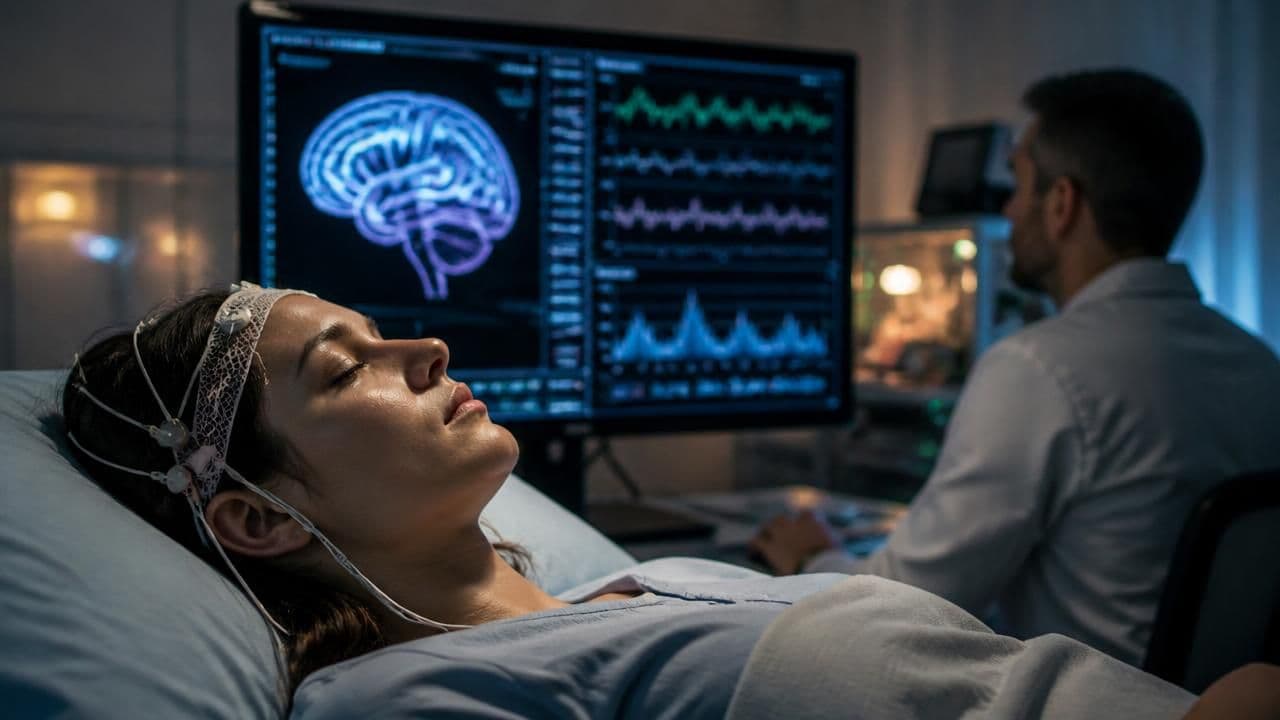
The idea that vaccines cause autism is one of the most thoroughly debunked medical claims of the modern era. Dozens of high-quality studies, encompassing data from millions of children worldwide, have consistently found no link between childhood vaccines and autism. The claim originates from a 1998 paper by Andrew Wakefield, published in The Lancet, which was later retracted after investigators found it to be fraudulent. Wakefield was stripped of his medical license, and subsequent research has overwhelmingly confirmed that vaccines are safe and do not cause autism.
Despite this, the White House is reportedly moving forward. "This is not a debate; it's a settled scientific question," said one federal health official, speaking on condition of anonymity. "To see an executive order that breathes life into this myth is deeply alarming."
Advisers warn against the move
CNN, citing advisers and administration officials, reports that the White House is considering the order despite explicit warnings from both public health experts and some members of Trump's own advisory circle. The advisers cautioned that issuing such an order would be scientifically indefensible and could dangerously undermine vaccination rates, leading to outbreaks of preventable diseases such as measles and whooping cough.
Nevertheless, the order appears to have the backing of RFK Jr., who has spent decades promoting vaccine misinformation. According to The Guardian, Trump is reportedly pushing Kennedy to cut vaccines even more aggressively, suggesting the administration may use the order as a stepping stone to restructure the entire national vaccine program.
The MAHA movement and its tensions
The executive order would be a major victory for the 'Make America Healthy Again' movement, a coalition of anti-vaccine and wellness advocates led by Kennedy. But the movement is not monolithic. In a striking development, some 'MAHA Moms'—a group of women who support Kennedy's agenda—have turned on Trump over a separate executive order that increases production of a pesticide. The pesticide order has infuriated a faction of the movement, revealing fractures between those focused on vaccine safety and those worried about environmental toxins.
The MAHA report itself has also come under fire. Academics have said the U.S. government report cited nonexistent sources, further discrediting the document that is now being used to justify the upcoming executive order.
Political and public health implications
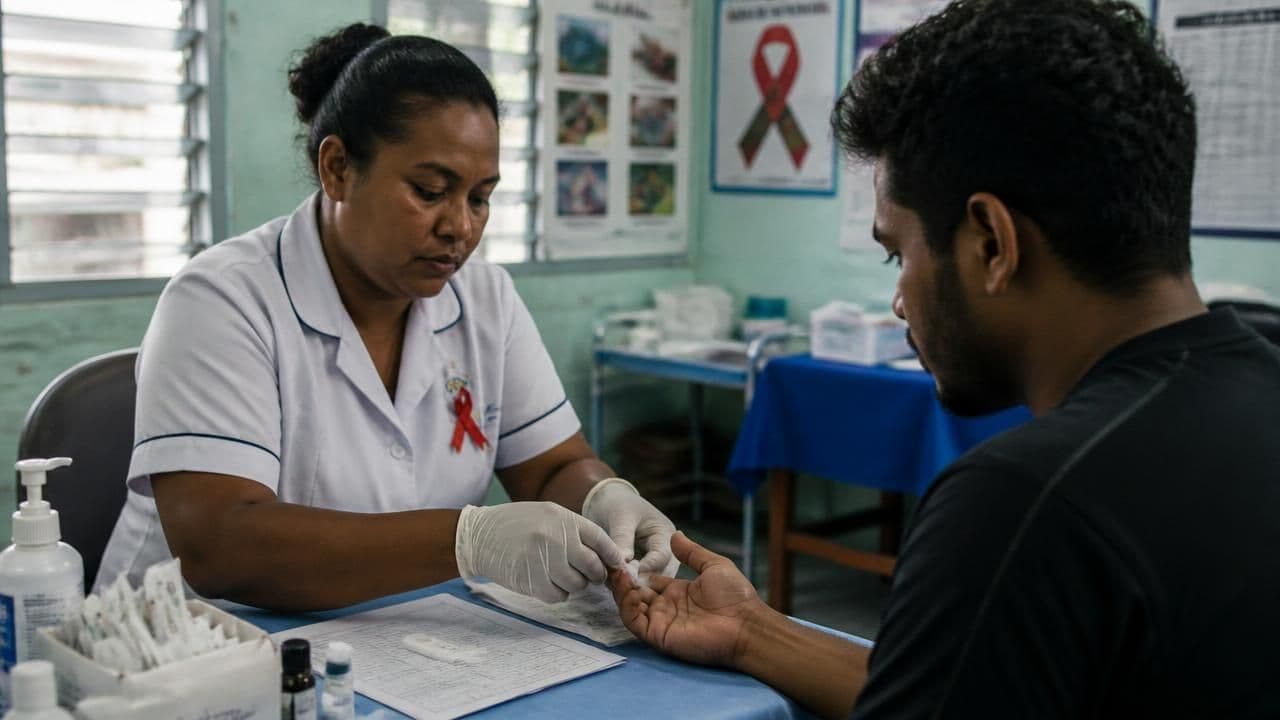
If issued, the order would fulfill a long-standing promise to the anti-vaccine community, but at a potentially enormous cost to public health. Childhood vaccination rates have already dipped in the United States, and public health experts fear that a presidential endorsement of the vaccine-autism myth will accelerate that decline. The result, they say, could be a resurgence of diseases once considered eliminated.
"We are playing with fire," said Dr. Lena Goldstein, a pediatric infectious disease specialist. "Every year, vaccines save millions of lives. To put that at risk for a political appeal is unconscionable."
The order would also place the United States at odds with the rest of the world, which has consistently rejected the vaccine-autism link. Global health organizations, including the World Health Organization, have repeatedly affirmed that there is no evidence of a connection.
What happens next
The executive order is still being drafted and could change before it reaches the President’s desk. White House officials have not publicly confirmed or denied the reports. But the fact that it is being considered at all—just weeks into the new administration—signals a dramatic shift in federal health policy, one that will be watched closely by scientists, parents, and public health officials across the country.
As Kennedy and his allies push for a radical overhaul of the nation’s vaccine program, the coming days will reveal whether the White House is willing to sacrifice scientific consensus for political loyalty.