In a single news cycle, three seemingly unrelated headlines captured the nation's attention: an alarming drop in U.S. employment, a novel attempt at bipartisan diplomacy, and a cinematic tribute that defies expectations. While they span the economy, politics, and culture, together they illustrate the unpredictable currents of American life.
Labor Market Shock: Employers Cut 23,000 Jobs in July
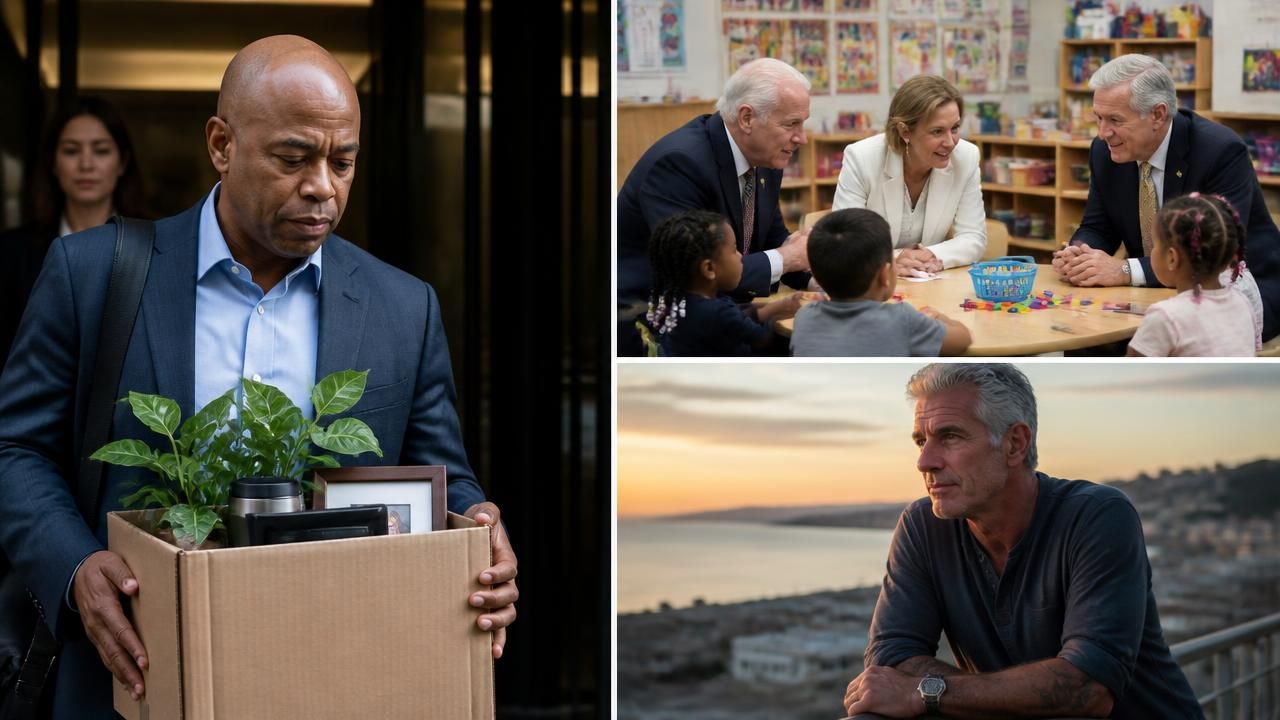
The U.S. Labor Department's July jobs report, released Friday, delivered a jolt: employers shed 23,000 jobs, an unexpected contraction that stands out in a year of steady—albeit slowing—growth. The decline was compounded by downward revisions to May and June figures, which were both weaker than initially reported. The data suggests the labor market is wilting under accumulated pressure from high interest rates and cooling consumer demand.
The report flew in the face of consensus forecasts, which had anticipated a modest gain. This is the first negative payroll number since 2020, marking a potential inflection point. Hiring had been slowing for months, but the reversal caught economists off guard. Analysts characterized it as a clear warning sign that the labor market is no longer a bulwark against broader economic slowdown.
- 23,000 jobs were cut in July, the first negative monthly reading in over three years.
- May and June job growth were revised down by a combined 23,000, meaning the labor market has been weaker than initially believed.
- The report is likely to fuel debates over whether the Federal Reserve's interest rate hikes are too aggressive.
Revisions and the Bigger Picture
The downward revisions to May and June paint a more pessimistic picture of the economic landscape. Combined, the two months saw 23,000 fewer jobs added than originally reported. This suggests that employers have been pulling back for a while, potentially anticipating a downturn. Consumer spending, which has remained resilient, may now be threatened by a weakening job market.
Economists are closely watching how the Fed will respond. A softer labor market could prompt the central bank to pause its rate hikes or even pivot toward cuts, especially if inflation continues to moderate. However, policymakers face a delicate balancing act, as prematurely easing could reignite price pressures. Financial markets have already adjusted, with futures pricing in a higher probability of a rate cut later this year.
Bridging the Aisle in a Pre-K Classroom
In an effort to address partisan gridlock, a new initiative is taking candidates from opposing parties into early childhood classrooms. The premise: shared experiences with young children can foster empathy and remind politicians that some issues transcend ideology. The program, which has drawn interest from state governors and members of Congress, emphasizes conversation over politics.
During the visits, candidates observe pre-K instruction, participate in activities, and hear from educators about the importance of early childhood development. Advocates say these moments of unstructured human connection can break down stereotypes. The hope is that seeing the world through a child's eyes can make political opponents see each other as allies in a shared civic endeavor.
Though critics may dismiss the effort as symbolic, organizers point to successful outcomes in similarly designed programs. The goal is not to reach immediate legislative agreements but to build relationships that could facilitate compromise down the road. As education continues to be a polarizing issue, the initiative offers an alternative pathway to common ground—one that starts with the youngest members of society.
Anthony Bourdain's Story: A Film That Surprises
In the world of film and television, a new documentary about the late Anthony Bourdain is generating quiet acclaim for its restraint and humanity. The movie avoids the pitfalls of celebrity worship or sensationalism. It is, according to early reviewers, "none of the things you fear it could be."
The documentary instead offers an intimate look at Bourdain's life—from his early days in New York's gritty restaurant scene to his transformation into a globe-trotting storyteller. It does not dwell excessively on his tragic death, a choice that has been praised as respectful. Rather, it celebrates his culinary curiosity and his ability to connect with people across cultures, from street vendors in Phnom Penh to fine-dining chefs in Paris.
Friends and colleagues appear in interviews, providing personal reminiscences that add depth. The film's approach has struck a chord with audiences, many of whom were bracing for a more exploitative narrative. Reviews highlight its sincerity, noting that it captures Bourdain's restless spirit without sanitizing his struggles. It is a fitting tribute to a man who forever changed how the world eats, travels, and listens to others.
Three Stories, One Reflection
While these stories occupy different beats in the news cycle, each speaks to a moment of reckoning. The labor market contraction signals economic uncertainty. The pre-K initiative offers a glimmer of political hope. The Bourdain documentary confronts how we remember flawed, beloved figures.
Together, they remind us that news is not a monolith but a mosaic—built from individual events that reflect broader tension, creativity, and the persistence of human connection. In this divergence lies a deeper truth: the American experience is as varied as the headlines we read, but it is united by shared hopes, unexpected challenges, and the stories we choose to tell about them.