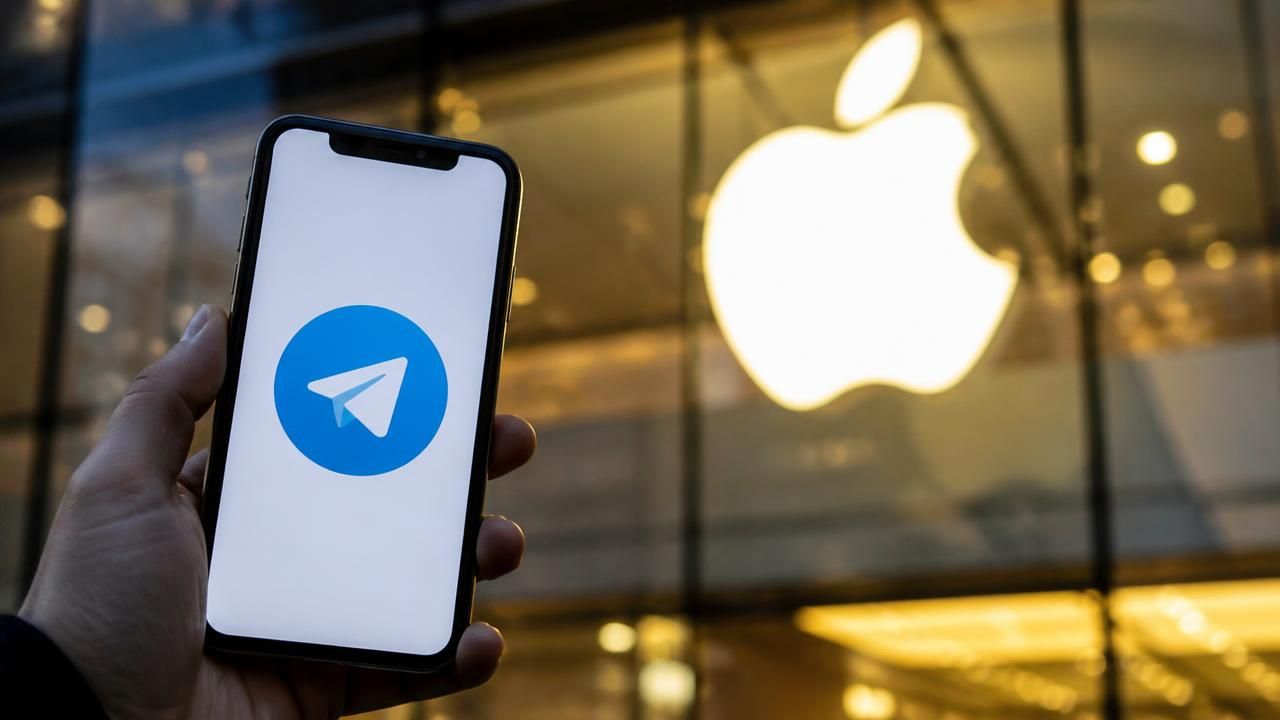
For roughly an hour this week, Telegram disappeared from Apple's App Store — a stunning absence for an app used by more than a billion people worldwide, many of whom rely on it for secure communication in countries under censorship. Apple later confirmed it had removed the app because of child sexual abuse material (CSAM) and restored it once the offending content was removed.
A swift removal and restoration
According to Apple, the removal was triggered by "content that violates our guidelines" — specifically CSAM. The company told The Verge that Telegram was taken offline "due to content that violates our App Store guidelines," and that the app was restored as soon as the content was removed. Reports noted the ban lasted about an hour, though some sources said "minutes."
"I'm sure this stance will be applied equally," Telegram said in response, according to Primetimer — a pointed jab at Apple's treatment of other apps, particularly X (formerly Twitter).
Why Telegram but not X?
The Verge's piece highlights a common complaint: Apple has historically been slow to act on X, despite widespread hate speech and other violations on that platform, yet it yanked Telegram quickly. "It's a question of consistency and transparency," experts argue. The incident reignited debate about Apple's moderation policies and relationship with developers.
Russia's ban and the GDPR controversy
Adding to the confusion is Telegram's ongoing battle with Apple over updates. In April, Russia banned Telegram, and Telegram CEO Pavel Durov has said Apple has been "preventing" iOS updates since then. Sources including AppleInsider and The Verge report that Telegram has faced rejected updates even outside Russia, including those related to GDPR compliance. Apple allegedly blocked certain updates after Russia's ban, citing the app's presence in Russia, which raised concerns about data privacy and political pressure.
According to MacRumors, Durov claimed that Apple has been blocking Telegram's updates "since Russia's ban in April," preventing the company from delivering bug fixes, privacy features, and GDPR-related changes. Eventually, Apple let a Telegram update go through, as The Verge reported, "following Russia ban debacle," but the hold-up raised alarms.
Worldwide reach, regional impacts
While the App Store removal was global, reports from India suggest that the app also faced a blockade on Google Play and the App Store — and users on Jio and Airtel networks continued to face connectivity issues, per MSN. This comes amid the Indian government's broader crackdown on certain apps.
Reclaim The Net framed the removal as Apple pulling Telegram over "a single user post" — highlighting the power Apple holds over its app ecosystem. Others noted that the app was restored so quickly that many users didn't even notice.
What does this mean for users and free speech?
Telegram is a lifeline for many in authoritarian regimes, protest movements, and conflict zones. Its brief disappearance underlines how dependent these communities are on a handful of Silicon Valley platforms. The incident also raises questions about Apple's role as a gatekeeper and the due process afforded to app developers.
As one observer put it: "Apple can effectively silence a global communication platform in an hour — and restore it just as quietly. That's an enormous power."
Telegram's response
Telegram, for its part, initially responded with sarcasm, posting a Mark Twain-quoting meme: "The reports of my death are greatly exaggerated." Later, it clarified that the removal was temporary and urged users to update via other means if needed.
How different outlets framed the story
- The Verge: questioned why Apple bans Telegram but not X, pointing to moderation inconsistencies.
- Reclaim The Net: framed it as Apple pulling a global app over a single user post, criticizing overreach.
- AppleInsider: highlighted Russia's political ban and Apple blocking GDPR updates.
- MacRumors: reported Durov's claim that Apple has been preventing updates since April.
- IBTimes: noted the app was restored within minutes, emphasizing the brief nature.
The bigger picture
This event intersects with ongoing legal battles, privacy regulations, and geopolitical pressures. The fact that a Russian-founded app is facing Apple restrictions while also being banned in Russia creates a strange paradox. Meanwhile, users in countries like India are caught in the middle.
Industry analysts suggest that Apple's opaque moderation processes are becoming a larger liability as regulators scrutinise app store policies on both sides of the Atlantic. The European Union's Digital Markets Act and the US antitrust efforts may force Apple to be more transparent about how and why apps are removed.
For now, Telegram is back on the App Store, but the questions it raised remain. Why was it removed so swiftly? What CSAM content triggered it? And why did Apple allow the app to return without public explanation?
As The Verge's piece asks: "Why does Apple keep banning Telegram, but never X?" Until Apple develops clearer rules, that inconsistency will keep gnawing at developers, users, and regulators alike.