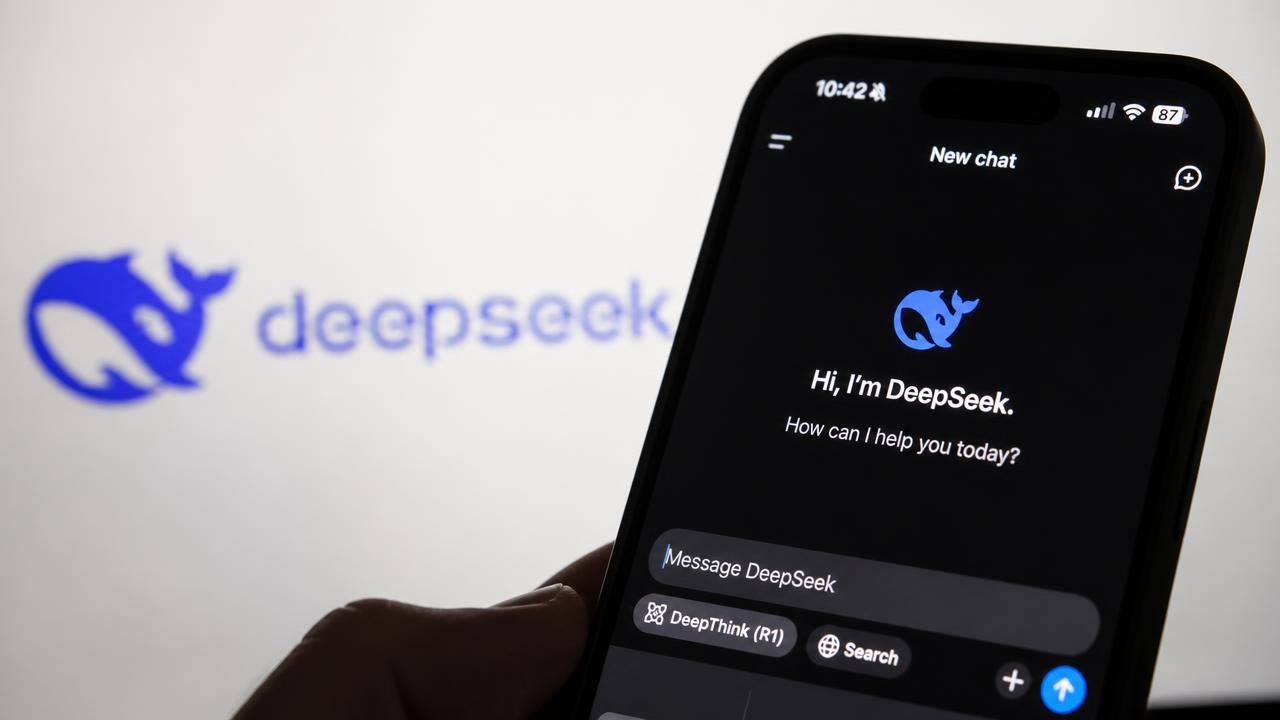
In a stunning reversal of its disruptive low-cost strategy, Chinese AI startup DeepSeek has announced plans to implement a "significant" price increase across its AI services. The move, reported by Bloomberg and other outlets, marks a turning point in the fierce global AI price war and signals that the company, known for undercutting Western rivals, is now leveraging surging demand to boost revenue.
DeepSeek, which rose to prominence with its R1 reasoning model that rivaled OpenAI's offerings at a fraction of the cost, has been at the center of a seismic shift in AI economics. According to VentureBeat, DeepSeek R1 demonstrated that high-performance AI could be developed and deployed at dramatically lower costs, challenging the assumption that only deep-pocketed tech giants could lead in AI. Now, however, the company appears to be pivoting from a volume-driven strategy to one focused on profitability.
A Break with the Price War
Reports from The Next Web indicate that DeepSeek is also introducing peak-hour surge pricing, effectively breaking ranks with the relentless price cuts that have characterized China's AI market. This move is particularly notable given that DeepSeek had previously slashed prices to gain market share, as covered by Digital Trends. The new pricing model, which will likely see higher rates during periods of peak demand, suggests the company is confident in its competitive position and sees an opportunity to capitalize on the explosive growth in AI adoption.
"DeepSeek's price hike is a clear signal that the era of ultra-cheap AI may be coming to an end," said industry analyst Kelsey Berro of JPMorgan Asset Management, who discussed the broader market context on Bloomberg Brief. "The company has established its credibility and now needs to monetize it."
Impact on Workers and Enterprise Adoption
The implications extend beyond corporate balance sheets. Forbes reported that DeepSeek's new AI model is an astonishing 105 times cheaper than rival Fable 5, raising questions about what this means for workers whose jobs involve AI-assisted tasks. As AI becomes more affordable, the cost of automating work plummets, potentially displacing workers in sectors like customer service, content generation, and coding. However, the price hike could slow this trend, giving workers and enterprises a longer adaptation window.
Tech Giants Respond with Spending Spree
The announcement comes at a time when major tech companies are expected to ramp up their AI capital expenditures. Bloomberg notes that after DeepSeek's initial breakthrough, tech giants are likely to accelerate their AI spending to avoid being left behind. Google's recent reshuffling of its AI leadership—also reported by Bloomberg—underscores the urgency among incumbents to maintain competitive parity. The combination of DeepSeek's price hike and the heightened investment from Western tech firms points to a bifurcated market: one where cost-efficient Chinese models coexist with more expensive, feature-rich Western offerings.
Market Reactions and Macro Context
The news has also moved financial markets. US equity futures wavered as a tech-led rally lost momentum ahead of Friday's payrolls report, with investors weighing the implications of higher AI costs against strong job growth. Kelsey Berro highlighted that the upcoming jobs report will be crucial for the Federal Reserve's policy decisions, adding another layer of complexity to the AI pricing narrative.
What This Means for the AI Race
DeepSeek's strategic pivot is a clear reminder that the AI industry is entering a new phase. After a period of aggressive price competition, the focus is shifting to sustainable business models. As The Next Web notes, the move "breaks China's AI price war" and could trigger a domino effect among other players who can no longer afford to undercut endlessly.
- For enterprises: The price hike may force companies to reassess their AI budgets and seek alternative providers or optimize usage.
- For competitors: Startups and incumbents alike may need to reconsider their pricing strategies to retain market share.
- For workers: The cost of AI tools will rise, potentially reducing the pace of automation in cost-sensitive industries.
Some experts view this as a healthy correction. "DeepSeek's move indicates that even disruptors must eventually price their products to sustain innovation," said an industry observer. "The days of $0.20-per-million-token APIs were likely never sustainable in the long run."
Looking ahead, the world will be watching how DeepSeek's pricing changes affect its market share. If the company can retain its user base despite higher prices, it will underscore the value of its models and pave the way for a more economically balanced AI ecosystem. If not, it could open the door for other low-cost players to step into the gap.
One thing is clear: the AI price war is not over—it is evolving. With tech giants ramping up spending, Google's leadership changes, and DeepSeek's pricing experiment, the next chapter of the AI revolution will be defined not just by who has the smartest models, but by who can build a viable business around them.