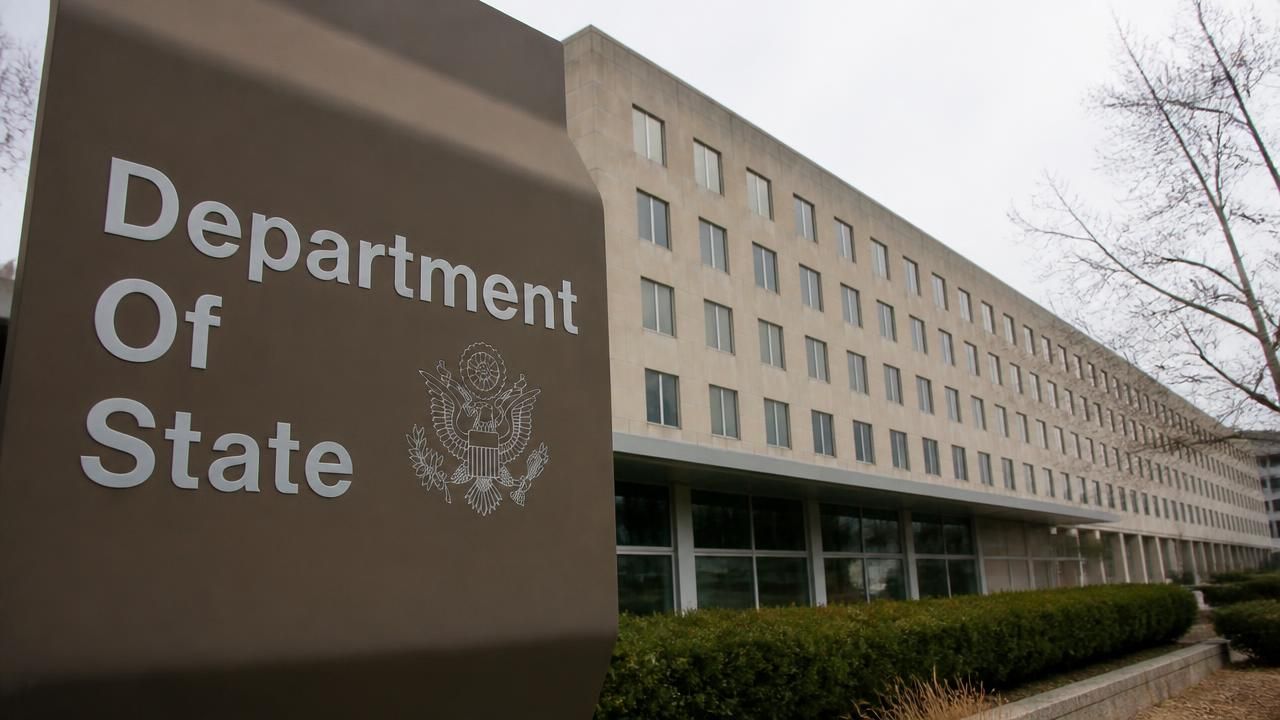
The Trump administration has notified Congress of its intention to close five U.S. consulates and missions across four continents, a move that critics argue could create a diplomatic vacuum in regions where China is rapidly expanding its influence. The closures, which target facilities in Canada, Grenada, Japan, Indonesia, and Cameroon, are being justified on cost grounds and follow a broader reassessment of America's bilateral relationships since Donald Trump returned to the White House in January 2025.
The State Department's notice to Congress marks the formal first step in a process that could take months to complete, but the political and diplomatic reverberations are already being felt. In a statement, the department said the decision was part of an effort to "align diplomatic resources with strategic priorities and fiscal responsibility." However, critics—including former diplomats and foreign policy experts—warn that the move could weaken U.S. influence in key regions at a time when Beijing is actively courting countries with infrastructure investments, trade deals, and diplomatic outreach.
Which Consulates Are Closing and Why?
While the State Department has not disclosed the specific cities, the five locations span a wide geographic and diplomatic range:
- Canada: A close ally and top trading partner, where consulates handle cross-border commerce, energy issues, and border security.
- Grenada: A small Caribbean nation where the U.S. has historically maintained a presence to counter Chinese influence in the hemisphere.
- Japan: A key security ally in the Indo-Pacific, where consulates support military operations, trade, and cultural exchanges.
- Indonesia: A pivotal Southeast Asian democracy and home to the world's largest Muslim population, where consular services facilitate education and business ties.
- Cameroon: A Central African country facing security challenges from Boko Haram, where the U.S. has conducted counterterrorism cooperation.
According to the inkl news service, the administration framed these as "smaller" consulates, suggesting the closures are modest in scale. But the Guardian reports that the reassessment of bilateral relationships has been underway since Trump reassumed the presidency, and cost savings are only part of the equation. "This is not just about saving money," said a former State Department official who spoke on condition of anonymity. "It's about signaling that the United States is reducing its footprint in places where the administration sees limited strategic return."
"The U.S. state department is to shut five foreign consulates and missions across Asia, Africa, North America and the Caribbean, drawing criticism that it is leaving a diplomatic vacuum at risk of being filled by China."
A China-Shaped Shadow
The specter of China looms large over the announcement. Beijing has been steadily expanding its diplomatic presence worldwide, particularly in Africa, the Pacific Islands, and the Caribbean—regions where the United States has historically been the dominant power. In recent years, China has opened new embassies, consulates, and trade offices, often in countries where Western presence is thinning.
For example, in the Caribbean, China has invested heavily in infrastructure projects and established a major diplomatic center in Grenada's neighbor, Antigua and Barbuda. In Africa, China is now Sub-Saharan Africa's largest trading partner, and it has constructed the African Union's headquarters in Addis Ababa. "Whenever the United States retreats, China steps forward," said Dr. Sarah Montgomery, a fellow at the Council on Foreign Relations. "These closures, even if they are of smaller posts, send a signal that the U.S. is not willing to compete in every arena."
The choice of Indonesia and Japan is particularly striking given the strategic importance of the Indo-Pacific. Both countries are vital partners in the U.S.-led effort to counter China's maritime claims and influence in the region. Closing consulates there could be seen as a contradiction, though the State Department insists that embassies remain fully staffed and that the closures are limited to ancillary offices.
Domestic Political Backdrop
The decision also sits within a broader political context in Washington. Some news roundups, such as the Blue Virginia daily digest, are pairing the closures with other Trump administration controversies, including the proposed Hormuz deal that critics say gives Iran control over inbound traffic, and the ongoing Senate GOP investigation into Dr. Anthony Fauci. This juxtaposition highlights a pattern of unilateral foreign policy shifts and domestic political battles that are dominating the news cycle.
"The closures are the latest in a series of actions that prioritize economic frugality over diplomatic engagement," observed the Blue Virginia roundup. While not a mainstream news outlet, its framing reflects a sentiment among progressive commentators that the administration is systematically dismantling institutions that foster international cooperation.
Historical Precedents and Data Points
The United States currently operates over 270 embassies, consulates, and diplomatic missions worldwide. Closing five represents less than 2% of the total, but the symbolic impact can outweigh the numbers. Historically, the U.S. has used consulates as vectors for economic diplomacy, educational exchange, and citizen services. For instance, a 2019 State Department report showed that consulates issued more than 80% of all nonimmigrant visas and handled over 50% of American citizen services abroad.
Previous administrations have also consolidated facilities. The Obama administration closed several consulates in Europe during a budget sequestration, and the first Trump administration announced consulate closures in Russia amid diplomatic tit-for-tat. However, those moves were tied to specific geopolitical crises or fiscal emergencies, not a systematic reassessment of bilateral relationships.
The current closures come at a time when China is opening new consulates at a rapid pace. According to the Lowy Institute's Global Diplomacy Index, China overtook the United States in the total number of diplomatic posts globally in 2023, and the gap has been widening since. "Every closure is a small victory for Beijing," said Montgomery.
Why This Matters
The closures raise fundamental questions about the nature of American global leadership. Proponents of the move argue that the State Department is bloated and that the U.S. needs to prioritize big-power competition over small-post operations. They note that the embassies in the capitals of each of the five countries will remain open, ensuring continuity of core diplomatic functions.
Opponents counter that consulates are often the most accessible point of contact for ordinary citizens, businesspeople, and local leaders. Closing them reduces the U.S. presence in mid-sized cities and remote regions, creating a vacuum that other powers—most notably China—can fill through relentless engagement. "In diplomacy, presence is power," said a retired ambassador who served in Africa. "Once you leave, it is very hard to come back."
What Happens Next?
Congress now has a 15-day review window to raise objections, though such notices are rarely blocked. If the closures proceed, the facilities will likely be sold or handed over to the host country, and staff will be reassigned or laid off. The timeline for completion is unclear, but similar processes in the past have taken anywhere from six months to a year.
Meanwhile, both allies and adversaries are watching closely. In Japan, officials have expressed private concern about the closure, viewing it as a downgrade of U.S. commitment to the Indo-Pacific. In Cameroon, the move could hinder counterterrorism coordination, as the consulate in Douala has served as a logistics hub. In Grenada, the closure may be seen as an abandonment of U.S. pledges to counter Chinese influence in the Caribbean.
As the news spreads, international media are paying close attention. The Guardian's report highlights the "diplomatic vacuum" risk, while other outlets like inkl focus on the "smaller" scale of the posts, suggesting a tempered reaction. The aol.com version of the story was temporarily unavailable due to technical issues, underscoring the volatile digital news environment. But regardless of framing, the underlying message is clear: the United States is pulling back, and the world is taking note.
The fuller implications and the extent to which China will capitalize on this retreat remain a subject of intense debate. What is certain, however, is that the closures are not reversible overnight. They represent a tangible shift in the United States' global footprint—one that will be felt for years to come.