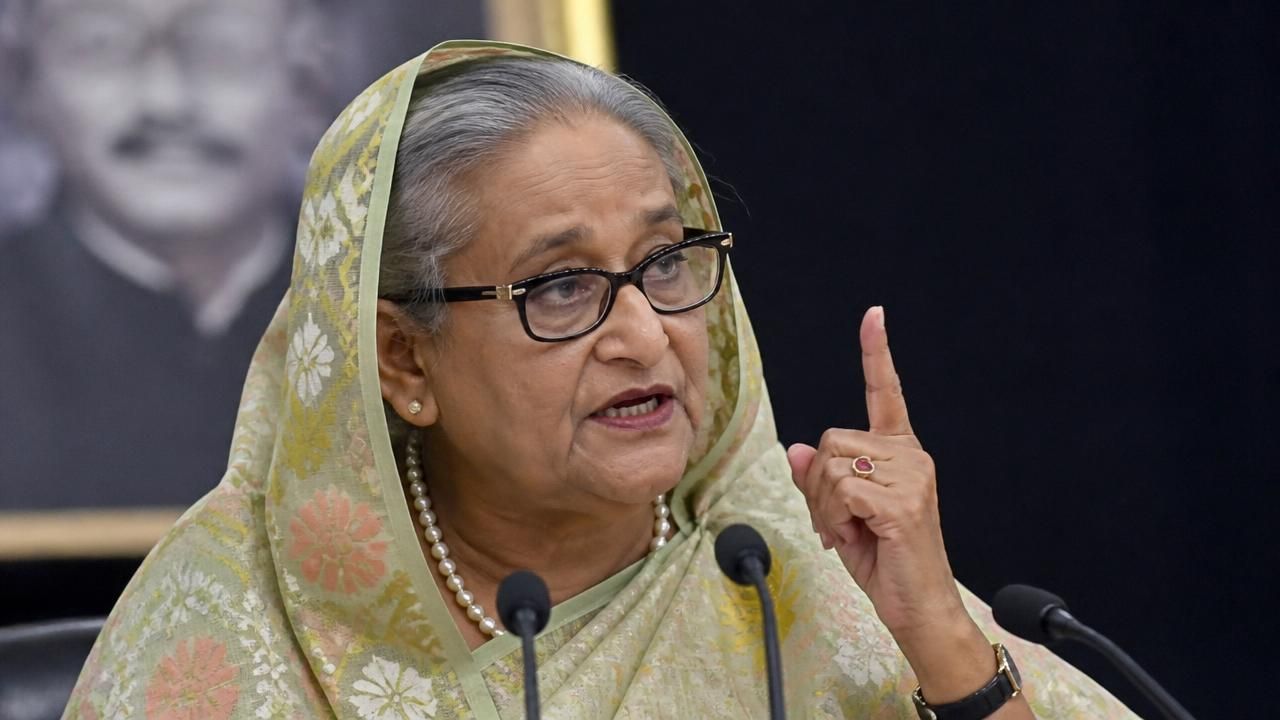
Sheikh Hasina, the ousted Prime Minister of Bangladesh, has delivered a defiant speech from exile, vowing to return to her country despite a death sentence and the threat of arrest. The address, which marked the second anniversary of her dramatic fall from power, came as the South Asian nation continues to grapple with the aftermath of the 2024 protests that forced her out.
A Leader in Exile, A Country in Transition
Hasina, who has been living in India since she fled Bangladesh by helicopter in August 2024, used the occasion to reject the legitimacy of the cases against her. According to multiple international reports, she told supporters that she is ready to sacrifice everything. “I may be killed, I may be sent to prison,” she said, according to a report from Inkl. “But I must return to my country.”
The 77-year-old leader’s defiance comes as Bangladesh’s interim government, led by Nobel laureate Muhammad Yunus, prepares for general elections. Political analysts say Hasina’s continued influence, even from afar, is casting a long shadow over the country’s fragile transition to democracy.
The 2024 Protests and the Toll of Crackdown
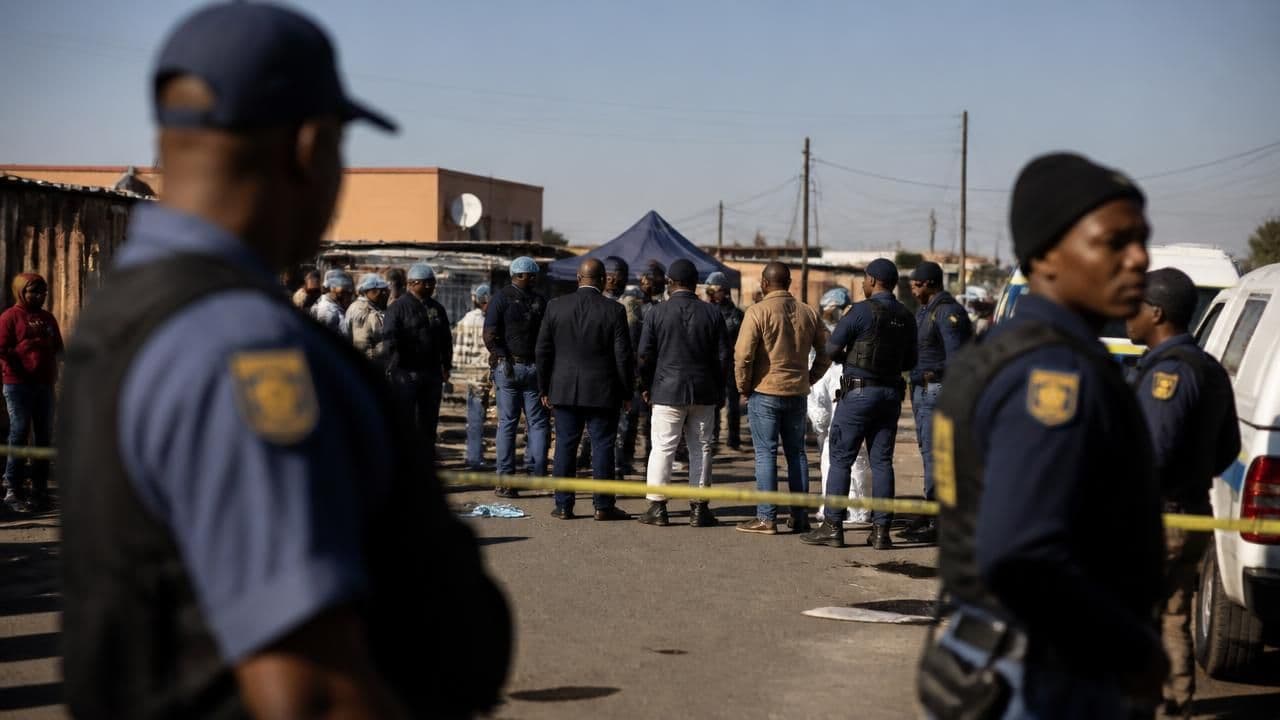
Hasina’s ouster was triggered by a massive student-led uprising against a controversial quota system for civil service jobs, which quickly spiraled into a broader demand for her resignation. The protests, which lasted nearly two months, were met with a violent crackdown that left nearly 1,400 people dead, according to the United Nations. NPR reported that the UN figure underscores the scale of the government’s repression during the movement.
On August 5, 2024, as crowds converged on Dhaka’s Prime Minister’s residence, Hasina and her sister were evacuated by helicopter to India. The sudden departure ended her 15-year rule and created a power vacuum that was quickly filled by the interim government.
A Death Sentence in Absentia
Since leaving Bangladesh, Hasina has been hit with a slew of legal challenges. Most notably, a Bangladeshi court handed her a death sentence in connection with the deaths of protesters, charging her with crimes against humanity. The sentencing, as The Guardian highlighted, means Hasina faces execution if she ever sets foot on Bangladeshi soil. Bloomberg emphasized that she is undeterred by the threats, vowing to return despite the peril.
Legal experts note that trials held in absentia are often politically charged. “This is both a legal and a symbolic move,” said one Dhaka-based analyst. “The interim government wants to signal that the era of impunity is over.” However, others caution that the death sentence could be seen as a politically motivated effort to preempt her return and rally public opinion against her.
International Reactions
International media coverage has framed Hasina’s speech in different ways. ABC News focused on the stark choice facing the exiled leader: return to a country where she faces the death penalty. “Exiled Bangladesh PM vows to return despite facing death sentence,” its headline read. Meanwhile, Nepal’s My Republica described her as a “fugitive” who is still “casting a shadow” over Bangladesh’s political landscape.
The Guardian pointed out the irony of a former prime minister, once a champion of democracy, now being an exiled fugitive with a death sentence. Some commentators argue that Hasina’s decision to speak out, rather than fade into obscurity, could embolden her supporters and complicate the upcoming election. Her party, the Awami League, remains the largest opposition force, though many of its leaders have been jailed or have fled.
What’s Next for Bangladesh?
Hasina’s vow to return raises several crucial questions. Will India extradite her? New Delhi has so far maintained a careful silence, not wanting to alienate its neighbor nor abandon a long-time ally. Diplomats say India is likely to keep Hasina in a holding pattern, allowing her to stay but limiting her political activities.
For the interim government, Hasina’s defiant speech is a reminder that the old political order has not fully vanished. “The shadow of Sheikh Hasina will loom over the elections,” said a professor of political science at Dhaka University. “Her absence from the ballot is not the same as her absence from politics.”
The UN and international human rights groups have called for accountability for the 2024 killings, urging Bangladesh to ensure fair trials for all perpetrators—not just the fallen prime minister. As Bangladesh navigates this turbulent period, the question of Hasina’s fate remains intertwined with the country’s search for justice and stability.
“I am not afraid of the bullet or the gallows. I have faced worse in my life.” — Sheikh Hasina, in her anniversary address
A Daughter’s Return?
Hasina’s own history is steeped in sacrifice. The daughter of Bangladesh’s founding father, Sheikh Mujibur Rahman, she grew up witnessing political violence. Her father and most of her family were assassinated in 1975, and she herself survived multiple assassination attempts. This legacy may explain her resolve, even as she faces a death sentence.
But the political reality is stark. Bangladeshi authorities have issued an arrest warrant and are likely to act on it if she steps foot in the country. The international community is watching closely, with some calling for a negotiated resolution that could allow Hasina a safe return to politics—but not to power.
For now, Hasina remains in India, reportedly in a secure location. Her speech, delivered via a video link, was broadcast to supporters in Bangladesh and around the world. The second anniversary of her ouster has become a rallying point for both her supporters and her detractors.
Stakes for Democracy
The consequences of this standoff extend far beyond one woman. Bangladesh’s future is at stake. The interim government’s ability to hold credible elections, restore rule of law, and heal the wounds of the 2024 protests will define the country’s democratic path. Hasina’s return, if it happens, could either reignite violence or lead to a reckoning with the past.
As the world watches, one thing is certain: Sheikh Hasina, a woman who once shaped Bangladesh’s destiny, is not ready to disappear. Her pledge to return—despite the bullets, the prison, and the gallows—has thrown down a gauntlet that Bangladesh’s current leaders cannot ignore.