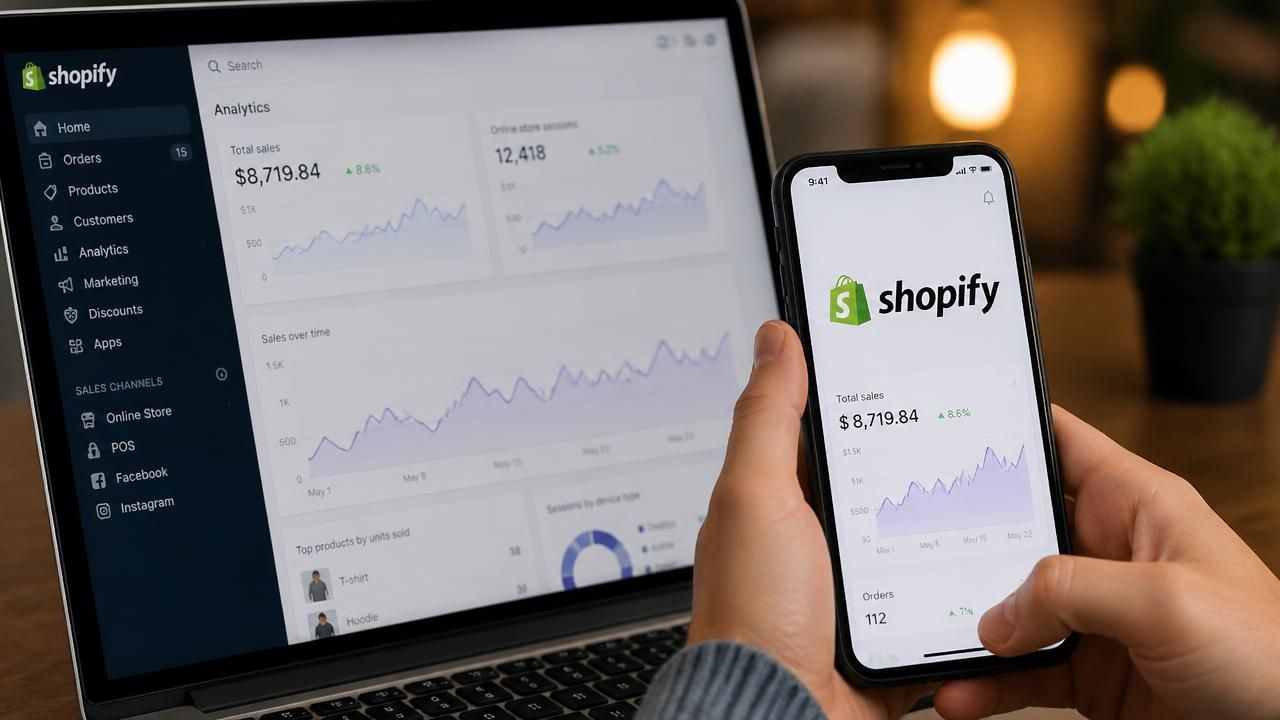
On Wednesday, Shopify shares soared more than 18% after the e-commerce giant issued a rosy third-quarter forecast, crediting its AI investments for attracting more merchants. The news underscores a broader trend: artificial intelligence is increasingly becoming a business accelerant, even as it puts pressure on cash flows and invites regulatory scrutiny.
Shopify's AI Bet Pays Off
Shopify reported quarterly revenue that beat analyst estimates, driven by an aggressive push into AI-powered tools for merchants. The company expects strong holiday-season revenue, though it cautioned that rising costs will dent quarterly margins. The optimistic outlook sent shares to their biggest single-day jump in months.
“The results show that AI is boosting business, not disrupting it,” noted analysts responding to the earnings call, echoing the headline from CNBC.
- Revenue beat estimates for the quarter, fueled by AI merchant solutions.
- Third-quarter forecast points to continued momentum.
- Holiday spending expected to be robust, but AI infrastructure costs weigh on margins.
The AI Investment Boom: A Double-Edged Sword
Shopify’s success story is part of a larger narrative across the tech sector. AI investments are surging, but they are also putting significant pressure on Big Tech’s free cash flow. Microsoft, a key AI player, sought to reassure investors this week, asserting that “cash will keep flowing from AI.” The company’s shares rose following those comments, and Daiwa Securities raised its price target to $595 from $572, maintaining a Buy rating.
Microsoft also continued its equity buyback plan, originally announced on September 16, 2024, signaling confidence in its AI monetization strategy despite heavy capital expenditures. According to Reuters, Big Tech as a whole is grappling with how to balance AI infrastructure spending with shareholder returns.
Zalando and the E-Commerce AI Wave
Across the Atlantic, Zalando delivered strong growth and a profit rise in the second quarter, while rolling out an AI-powered Discovery Feed designed to personalize the shopping experience. The German fashion e-commerce platform’s move highlights how AI is becoming a competitive necessity in online retail. By leveraging AI to curate product recommendations, Zalando aims to deepen customer engagement and drive conversion.
The broader e-commerce ecosystem is also expanding. A recent market report from Grand View Research projects significant growth in the dropshipping market from 2026 to 2033, signaling that AI-driven tools could further transform how online stores operate.
Regulatory and Market Headwinds
Despite the optimism, the business landscape remains complicated. A UK tribunal has allowed a class action against Google to proceed over alleged market dominance abuse, adding to the regulatory scrutiny facing tech giants. Meanwhile, SpaceX shareholders face an upcoming lockup expiry, which will test investor appetite for the company’s stock in the secondary market. These developments serve as reminders that rapid AI-fueled growth often comes with antitrust concerns and capital-market volatility.
Outlook
Across industries, AI is no longer a futuristic concept but a tangible driver of business performance. Companies that successfully deploy AI, like Shopify and Zalando, are reaping rewards, while established players like Microsoft work to convince markets that AI investments will pay off. However, the rising costs, regulatory challenges, and market uncertainties suggest that the AI-driven business boom will require careful navigation. The coming quarters will reveal whether the optimism is sustainable or if the investments will strain balance sheets.