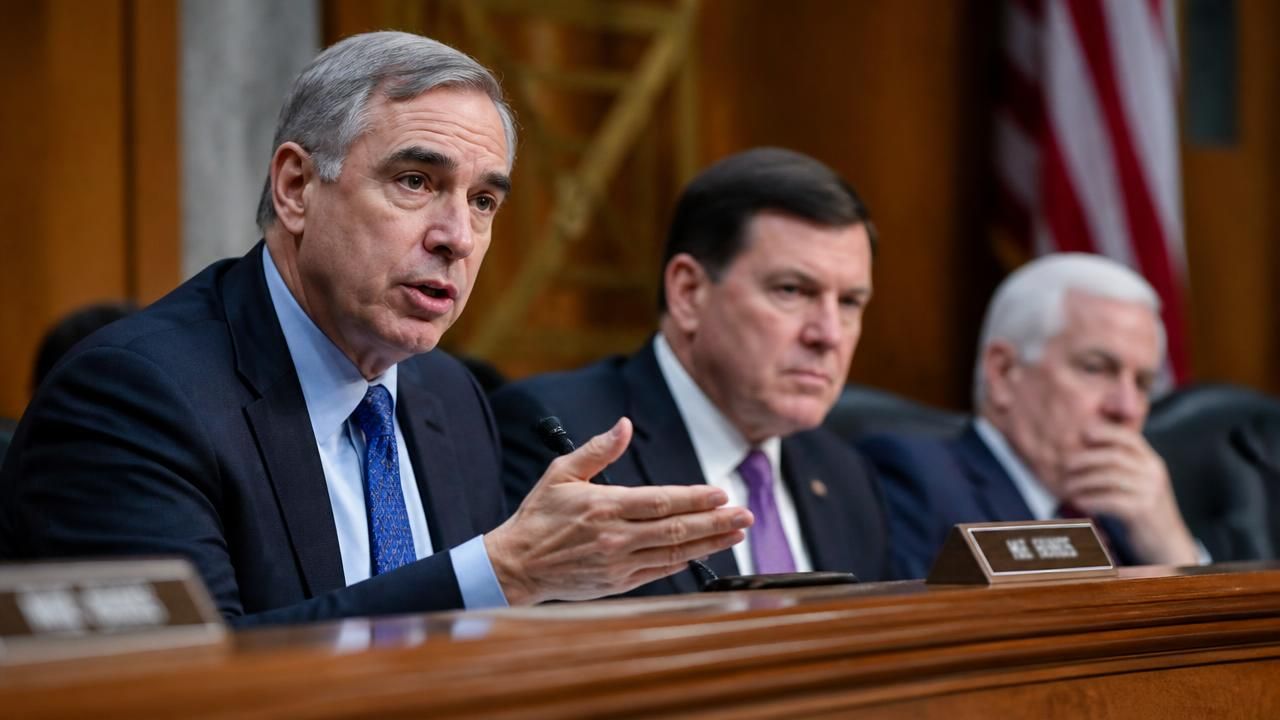
A bipartisan group of U.S. senators is pressing the Commodity Futures Trading Commission (CFTC) to crack down on prediction markets that allow individuals to bet on wildfires, warning that such contracts could incentivize arson and profiteering from community suffering. In a letter sent this week, the lawmakers—representing Oregon, California, Nevada, Minnesota, and New Hampshire—demanded answers about the agency's plans to regulate these emerging disaster-based betting platforms.
Lawmakers raise alarms over wildfire betting
The senators, led by Oregon Democrat Jeff Merkley, specifically cited Polymarket, a cryptocurrency-based prediction platform that hosted bets in January 2025 on the devastating wildfires in Los Angeles. The letter also referenced another website that accepts “simulated bets” exclusively on California wildfires. The lawmakers argued that allowing such wagers “threatens to minimize communities’ suffering, all so the rich and powerful can profit.”
“Offering bets on destructive wildfires is not just morally repugnant—it creates a perverse incentive for bad actors to set fires for financial gain,” the senators wrote. They called on the CFTC to use its authority under the Commodity Exchange Act to block these contracts, which they say fall under the agency's jurisdiction over event contracts.
“Offering bets on destructive wildfires threatens to minimize communities’ suffering, all so the rich and powerful can profit.” — Senators' letter to CFTC
Record fire season heightens urgency
The push comes as Oregon experiences its worst wildfire season on record, with more than 2 million acres burned—an area larger than Delaware and Rhode Island combined. The senators highlighted that wildfire betting is not a hypothetical concern: Polymarket's January contracts on Los Angeles fires saw active trading, and similar markets have emerged on other platforms. While some sites, like the California-focused one, describe their offerings as “simulated bets,” the senators argue that even simulated markets can normalize the idea of gambling on natural disasters.
Fire experts and community leaders have expressed concern that these markets could distort public perception of wildfires. Dr. Emily Park, a disaster risk researcher at Stanford University, noted, “Prediction markets are designed to aggregate information, but when they involve catastrophic events, the risks of moral hazard and public desensitization outweigh any potential informational benefit.”
The CFTC's tightening stance on prediction markets
The senators' letter arrives amid a broader regulatory shift. The CFTC has recently expanded its scrutiny of prediction markets, particularly after the 2024 election cycle saw record volume on platforms like Polymarket. In 2023, the agency proposed rules to prohibit certain event contracts, including those related to political campaigns and terrorism, but wildfire contracts have remained in a gray area.
Legal experts say the CFTC already has authority to act. Under the Commodity Exchange Act, the agency can prevent contracts that involve “terrorism, assassination, war, gaming, or other similar activities.” The senators argue that wildfires fall under “other similar activities” because they involve public harm and potential manipulation.
Tribal gaming angle complicates the picture
Some Senate Democrats are also tying the issue to tribal gaming protections. A related push seeks tighter prediction market rules to safeguard tribal gaming rights, as unregulated online betting platforms could undercut state and tribal compacts. This adds a layer of complexity: while the senators want to block disaster betting, they also want to ensure that any new rules don't inadvertently legitimize other forms of online gambling that compete with tribal casinos. The letter does not directly address tribal gaming, but sources close to the negotiations indicate it is a motivating factor for several lawmakers.
Industry response and free-market pushback
Prediction market advocates argue that such platforms provide valuable forecasting tools and allow people to hedge against risks. In a statement, a Polymarket spokesperson defended the company's operations: “Polymarket is a market-based information aggregator that has been transparent with regulators. We follow all applicable laws and have never been found to violate CFTC rules.” However, the senators counter that the social costs are too high.
The CFTC has not yet publicly responded to the letter, but agency officials have signaled willingness to examine the issue. In recent speeches, CFTC Commissioner Christy Goldsmith Romero said the agency is “closely monitoring the rise of event contracts linked to natural disasters and their potential for manipulation.”
What happens next
The senators requested a detailed response from the CFTC by March 15, 2025, outlining the agency's enforcement plans and any legal barriers to action. If the CFTC fails to act, lawmakers could introduce legislation to explicitly ban wildfire contracts. Meanwhile, platforms like Polymarket continue to operate, and the January Los Angeles wildfire markets remain a stark example of the trend.
For communities ravaged by fires, the fight over prediction markets is more than a regulatory squabble—it's about whether their suffering can be turned into speculative profit. As one Oregon firefighter told The Mercury News, “We're risking our lives out there, and someone is betting on whether we can stop the flames. That's sick.”
Key points at a glance
- Senators from five states sent a letter to CFTC demanding action on wildfire prediction markets.
- Polymarket hosted bets on January 2025 Los Angeles wildfires; another site offers simulated wildfire bets.
- Oregon's record 2 million acres burned amplifies urgency.
- Lawmakers warn of arson incentives and community desensitization.
- CFTC has until March 15 to respond; legislation is possible if no action is taken.
As climate change intensifies wildfire seasons across the West, the intersection of technology, finance, and disaster is likely to remain a contentious arena. For now, the senators' letter puts the CFTC on notice that the federal government is watching—and may be ready to act.