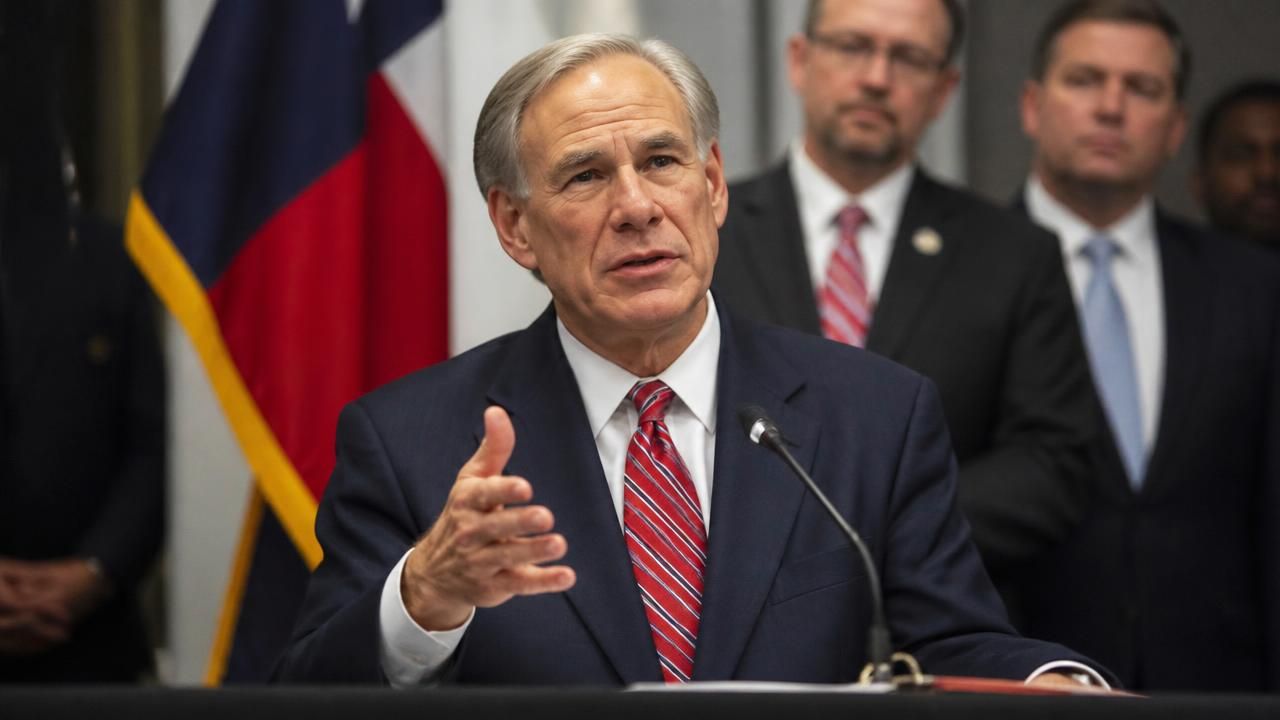
In a dramatic reversal of its pro-business posture, Texas Governor Greg Abbott has ordered a moratorium on new data center connections to the state's power grid, a move that underscores the mounting tension between the AI boom and the nation's aging energy infrastructure. The August 3 directive, issued to the Public Utility Commission of Texas (PUCT) and the Electric Reliability Council of Texas (ERCOT), requires a thorough audit of all data centers in the interconnection queue before any new hookups are approved. The decision comes less than a year after Abbott proudly declared Texas the “epicenter of AI development” — a phrase now echoing with irony as the state grapples with the consequences of its own success.
A Booming Industry Hits a Brick Wall
Texas has aggressively courted data center developers with cheap land, abundant energy, tax abatements, and a light regulatory touch. That strategy has paid off, putting the state on track to surpass Virginia as the largest data center market in the United States. But the influx has proven overwhelming. Sources indicate that nearly 1,800 data centers are either under construction, planned, or in various stages of the ERCOT interconnection process. Their combined demand, according to filings, could be five times higher than ERCOT's current peak load — a staggering figure for a grid that has faced its own reliability crises, including the deadly winter storm of 2021.
The moratorium effectively freezes approvals until developers provide detailed information about their projects' potential impacts. Governor Abbott's announcement was blunt: regulators must perform a "comprehensive verification and audit" of every data center in the interconnection pipeline, scrutinizing not only energy use but also water consumption, financing, ownership, and community effects. In a state where data centers have been welcomed as engines of economic growth, the audit signals a new era of caution.
Why Texas Slammed the Brakes
The immediate trigger appears to be a combination of technical and political pressures. ERCOT has warned that the explosive growth of data centers threatens grid reliability, especially during peak demand periods in the summer, when air conditioning already pushes the system to its limits. Water concerns have also become acute. Data centers are notoriously water-intensive, using millions of gallons daily for cooling. In drought-prone Texas, where rural communities already compete for scarce water resources, this has sparked a bipartisan backlash.
The governor's audit is designed to answer questions that have become increasingly difficult to ignore: Where will the power come from? Who pays for new transmission lines? And what happens to local communities when a data center moves in next door?
The Audit's Scope
According to the governor's directive, the audit will evaluate a broad range of factors. While specific criteria are still being finalized, reports indicate that data center developers will need to submit:
- Energy consumption projections — including peak demand and expected load factors.
- Water usage estimates — particularly for cooling technologies, which can vary widely.
- Ownership and financing — to identify whether projects are backed by reputable firms or speculative ventures.
- Community impact assessments — covering noise, environmental, and property value concerns.
- Backup power and resilience plans — including whether they plan to use fossil fuel generators or battery storage.
The goal, as state officials frame it, is to ensure that data centers are "good neighbors" to the grid and to the people of Texas. But the halt has already sent shockwaves through the industry.
Local Pushback and Industry Reactions
The moratorium has stoked mixed reactions across the state. In East Texas, a planned data center project was recently canceled after a groundswell of community opposition. Residents flooded county commission meetings, complaining about noise, water use, and the aesthetics of sprawling industrial facilities. The developer's withdrawal was seen as a victory for local activists, but it also highlights the growing groundswell of resistance that is making such projects increasingly difficult to build anywhere.
Even major tech players are feeling the heat. Reports indicate that the Stargate project, a massive AI infrastructure venture, has scrapped its Texas expansion plans, citing "power constraints and political pressure." This has prompted concern among economic development officials who fear Texas losing its competitive edge to states with more predictable permitting processes. But it has also emboldened critics who argue that unchecked data center growth is a Ponzi scheme of sorts — creating short-term construction jobs while leaving long-term costs to ratepayers and communities.
On the ground, the reaction is notably bipartisan. Liberal environmental groups and conservative rural landowners have found common cause in opposing data centers, a rare alignment that has caught lawmakers' attention. State Representative Gina Hinojosa has called on Abbott to go further, demanding a temporary halt to all data center construction, not just grid connections. "We need to understand the full picture before we sell out our communities," she said in a statement, echoing the sentiment of many.
“Texas is the epicenter of AI development — but we must ensure that growth does not compromise the reliability of our grid or the well-being of our communities.” — Gov. Greg Abbott, in a statement reflecting the renewed caution.
A National Reckoning
Texas is not alone in this struggle. Across the country, states are rushing to regulate data centers amid noise, environmental, and resource concerns. Nebraska recently curbed data center incentives after realizing that the tax abatements were yielding few jobs and high infrastructure costs. Exelon, one of the nation's largest utility companies, has cut its data center demand forecasts amid growing public resistance. Even in the UK, where a drought has been declared across half of England, politicians are urging a halt to "water-guzzling AI data centers," and the continent is exploring microgrid solutions to ease pressure on the main grid.
The data center industry, meanwhile, is fighting back. Lobbying groups have expanded their influence, spending, and tactics, arguing that data centers are critical to national competitiveness and that overregulation will stifle innovation. They note that data centers bring high-value jobs, tax revenue, and technology infrastructure. But as the Texas audit demonstrates, the industry's environmental and social costs are becoming harder to ignore.
What's Next
The ERCOT interconnection queue is now in limbo, with thousands of megawatts of potential load on hold. The audit could take months, and it is unclear whether it will result in permanent permitting reform or simply a more rigorous review process. Some analysts predict a wave of cancellations, as developers who cannot provide the required information or clear community hurdles will simply look elsewhere.
For Texas, the pause is a pivotal moment. The state that built its identity on independence and deregulation is now, hesitantly, embracing the tools of managed growth. Whether that means a more sustainable balance between technology and community, or a lost opportunity in the global AI race, remains to be seen. For the rest of the nation, watching Texas wrestle with the data center deluge offers a preview of the challenges ahead — and the difficult choices that every state will eventually have to make.