It's a regrettable reality that there is never enough time to cover all the interesting scientific stories we come across. That's the candid admission behind Ars Technica's monthly 'Research roundup,' a series that digs through the scientific literature to surface the most fascinating, under-reported findings of the past few weeks. The July edition alone delivered a stunning array: cyborg cockroaches fitted with tiny diving suits, a Medici duke exonerated of poisoning, the strongest evidence yet that the star Betelgeuse has a companion, and ancient Egyptian princesses who were skilled archers.
A Diving Cockroach and Other July Curiosities
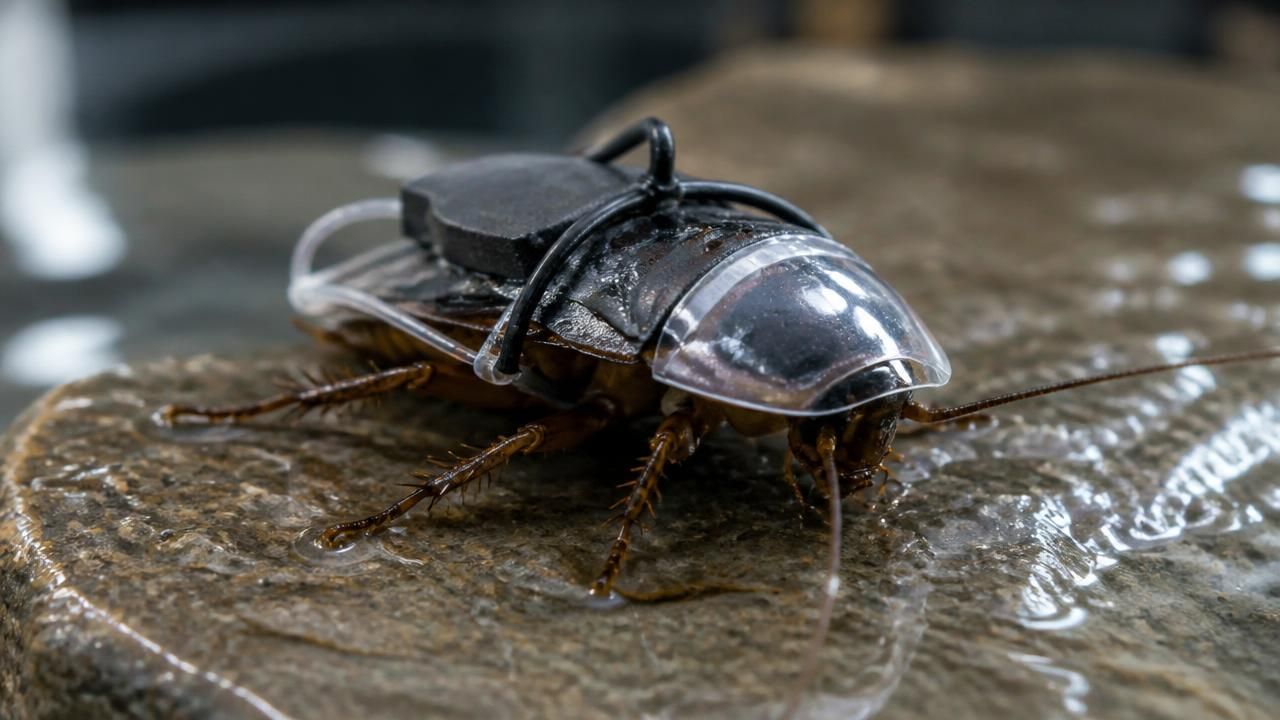
The July roundup showcased how researchers are pushing the boundaries of bio-inspired engineering and historical forensics. One standout involved outfitting cyborg cockroaches with a miniature diving suit, allowing them to navigate flooded terrain. The innovation could pave the way for search-and-rescue missions in disaster zones where water is a major obstacle. Meanwhile, a separate study confirmed that a Medici duke died of malaria, not poisoning as long suspected—a finding that rewrites a chapter of Renaissance history.
The Tragic Sacrifice of an Inca Boy
Perhaps the most poignant entry came from archaeologists, who reanalyzed the remains of a sacrificial Incan boy and concluded he died from blunt force trauma, not freezing to death as previously believed. The boy was part of a ritual known as Capachoca, in which children were offered to the mountains and believed to become divine intermediaries with the gods. Colonial accounts described strangulation, asphyxiation, and blunt force trauma as common methods, but the new study, published in Science Advances, provides physical evidence to break the centuries-old mystery. The findings underscore the brutal reality behind a practice that has long captured the imagination.
Betelgeuse's Hidden Companion and Egyptian Archer Queens
In astrophysics, the roundup highlighted the best evidence to date that Betelgeuse—the red supergiant that has been flickering oddly—is orbited by a companion star. This companion could explain the star's dimming episodes and offers new clues about the final stages of stellar evolution. On a different front, research into ancient Egyptian royal mummies revealed that some princesses were skilled archers, challenging assumptions about gender roles in the ancient world. Their skeletons bore the telltale muscle attachments and injuries of repeated bow use, suggesting they were not just ceremonial figures but active participants in martial traditions.
A Monthly Tradition of Hidden Gems
The July edition is just one example of Ars Technica's ongoing commitment to shining a light on overlooked science. The series runs nearly every month, each with a slightly different flavor. In May, the roundup explored why cats prefer silver vine to catnip—a question that has puzzled pet owners for decades. June's list included seven stories, while a September edition delved into how 'prebunking'—the preemptive inoculation against misinformation—can restore public trust in institutions. These themes reflect a broader trend in science communication: acknowledging that the daily news cycle cannot capture everything, and that valuable research often deserves a second look.
Different Outlets, Different Angles
Ars Technica is not alone in this approach. The Smithsonian Institution, for instance, regularly publishes dispatches from major scientific conferences. One such piece, titled 'SVP Dispatch: Dinosaur Round-Up,' covered the latest findings presented at the Society of Vertebrate Paleontology annual meeting. While Ars Technica focuses on a broad range of disciplines—from animal behavior to astrophysics—Smithsonian's coverage often zeroes in on paleontology, offering a specialized lens on the same underlying theme: exciting discoveries that don't always make the front page.
"It's a regrettable reality that there is never enough time to cover all the interesting scientific stories we come across."
This acknowledgment, repeated in every roundup, resonates with readers who crave deeper knowledge. By compiling these stories in a single space, Ars Technica creates a valuable resource for science enthusiasts, educators, and even professional researchers who may have missed a salient paper in a different field.
Why These Stories Matter
The impact of such roundups goes beyond mere curiosity. They highlight the incremental, often messy work of science: a new experimental technique that could save lives, a reinterpretation of historical evidence that changes our understanding of the past, or a quirky animal behavior that hints at evolutionary mysteries. They also demonstrate the interconnectedness of scientific disciplines—how a cockroach's ability to navigate water could inform robotics, or how a medieval duke's bones can be analyzed with modern genomics to rewrite history.
For readers, these stories are a reminder that science is not a monolithic enterprise but a vibrant tapestry of small advances and occasional breakthroughs. The roundups also serve a journalistic purpose: they hold the scientific community accountable for sharing its findings with the public, allowing taxpayers who fund much of this research to see tangible results.
- Cyborg cockroaches with diving suits could assist in flood rescue operations.
- The Medici duke's death by malaria corrects a 500-year-old cold case.
- Betelgeuse's companion star offers a new explanation for its unusual dimming.
- Ancient Egyptian princesses were active archers, not just royal symbols.
- Incan sacrifice methods are clarified by forensic analysis of a child's remains.
As the roundups continue to evolve, they reflect a growing appetite for science journalism that goes beyond the headline-grabbing discoveries. By dedicating space to the 'almost missed,' Ars Technica and other outlets are building a more complete picture of our world—one diving cockroach, malaria victim, and sacrificial boy at a time.