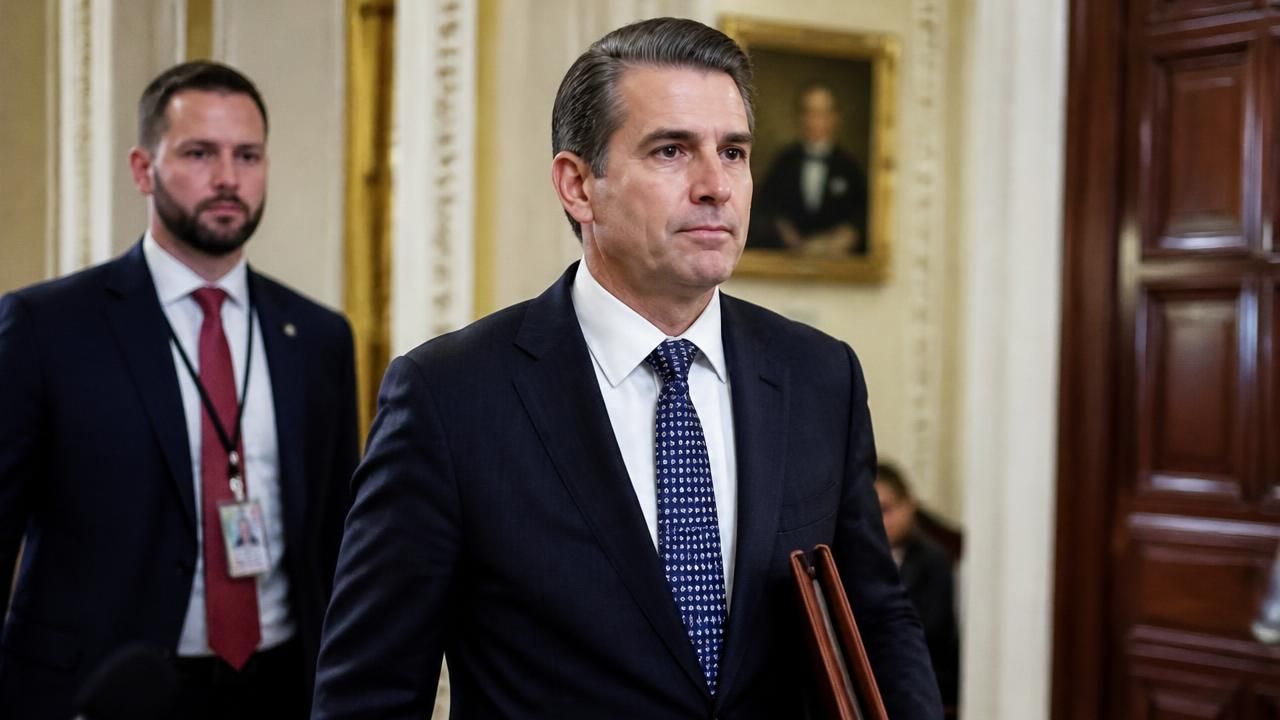
In a dramatic pre-vote reversal, Acting Attorney General Todd Blanche formally rescinded President Donald Trump's $1.8 billion “anti-weaponization fund” late Sunday, removing a major obstacle to his Senate confirmation as the nation's top law enforcement officer. The decision, confirmed by multiple news outlets including NPR, Reuters, and The Guardian, comes just days before Blanche's nomination hearing and follows intense negotiations with Senate Republicans, particularly Sen. John Cornyn of Texas.
The fund, established by executive order earlier this year, was designed to compensate political allies whom Trump claimed were targeted by what he called the “weaponization” of the justice system. Critics viewed it as a slush fund that could reward loyalty and undermine the independence of the Department of Justice. Its existence had become a flashpoint in the confirmation process, with several senators on both sides of the aisle demanding its termination as a condition for supporting Blanche.
What Was the 'Anti-Weaponization Fund'?
The $1.8 billion fund was conceived as a mechanism to provide financial restitution to individuals Trump believed were unfairly investigated or prosecuted by federal agencies. In a statement at the time, Trump framed it as “correcting the grave injustices” of the previous administration. However, legal scholars immediately raised alarms, noting that the fund lacked clear oversight and could be used to compensate donors, allies, and even administration officials facing legal troubles. The fund was never fully disbursed, but its existence alone created a political firestorm.
The formal order rescinding the fund, issued from the Department of Justice late Sunday, was described by NPR as a “formal order” — not merely a verbal commitment. This was crucial, as senators had demanded a binding legal action rather than a promise.
“Acting Attorney General Todd Blanche issued a formal order late Sunday terminating President Donald Trump's $1.8 billion 'anti-weaponization fund' to compensate his political allies.” — NPR
Cornyn's Role and the Senate Deal
The pivotal breakthrough came through a deal between Sen. John Cornyn and the Department of Justice, as first reported by the Washington Examiner. Cornyn, a senior member of the Senate Judiciary Committee, had been publicly skeptical of Blanche's nomination due to the fund. According to sources familiar with the negotiations, Cornyn demanded that the fund be rescinded as a precondition for his vote. The agreement was reached just hours before the Senate Judiciary Committee was set to consider Blanche's nomination.
The deal reportedly also included commitments from Blanche to operate the DOJ independently and to refrain from any political retaliation. Cornyn's office issued a statement confirming the agreement, though specific terms were not disclosed. The development effectively cleared the way for Blanche's confirmation, with several Republicans who had previously been undecided signaling their support.
Trump's Reaction: A Conditional Pledge
President Trump did not take the development quietly. According to NBC News, Trump said he would “revive” the anti-weaponization fund if Blanche's nomination is blocked by the Senate. This statement suggests the fund remains a live political tool and that Trump may be using Blanche's confirmation leverage. Trump's willingness to bargain reflects the high stakes: losing Blanche would be a significant embarrassment for the administration, given Blanche's role as Trump's personal defense attorney during multiple legal battles.
Blanche, meanwhile, has maintained that his priority is restoring public confidence in the Justice Department. In a brief statement following the rescission, he said he was “committed to the fair and impartial administration of justice” — a comment widely interpreted as an attempt to distance himself from the fund's more partisan elements.
How Outlets Framed the Story
Coverage of the rescission reveals differing editorial emphases. Bloomberg and Reuters framed it primarily as a political necessity, noting that the move “removes a hurdle” to confirmation. The Guardian and NPR stressed the formal nature of the act and its implications for Trump's allies, who will now not receive compensation. Saudi Gazette, carrying the story internationally, described it as “removing a threat to his attorney general bid,” highlighting the global interest in the integrity of American institutions.
Some conservative outlets, such as the Washington Examiner, focused on Cornyn's role and the bipartisan nature of the deal, suggesting a pragmatic compromise. Others, like HuffPost, placed the story within a broader live-updates context, noting that Trump also announced intentions to resume Iran talks — signaling a busy news day.
Key Takeaways
- Blanche's formal rescission of the fund is a binding legal action, not just a policy statement.
- The deal with Sen. Cornyn was critical in securing bipartisan support for the nomination.
- Trump's threat to revive the fund if Blanche is rejected keeps the issue alive politically.
- The fate of the $1.8 billion remains unclear; rescission terminates the program but does not address whether any funds were already paid out.
Implications for the Justice Department
The rescission is a victory for those who argued that the fund would transform the DOJ into an instrument of political retribution. By eliminating it, Blanche signals a willingness to operate within institutional norms — a message likely to resonate with moderate Republicans and Democrats wary of executive overreach.
However, the episode also reveals the fragility of justice department independence under pressure from the executive. As legal analyst and former prosecutor Jennifer Rogers noted, “The fact that a multi-billion-dollar fund could be created and then abolished within weeks based on political negotiations is deeply unsettling. It shows how easily the levers of justice can be manipulated.”
The Senate Judiciary Committee is expected to vote on Blanche's nomination this week. With the fund no longer an issue, the remaining questions center on Blanche's record as a defense lawyer and his ability to lead a department that he has criticized in the past. Nonetheless, the rescission removes a significant hurdle, and Blanche's confirmation now appears likely.