Humanity is heating the planet faster than ever before, according to a new analysis that has sent ripples through the scientific community. By stripping out the temporary influences of El Niño, volcanic eruptions, and solar cycles, researchers have detected a sharp acceleration in global warming that began around 2013 to 2015. The rate of temperature rise has jumped from just under 0.2°C per decade during 1970–2015 to roughly 0.35°C per decade over the past ten years—a finding that appeared across five major global temperature datasets with more than 98% statistical certainty.
A Clear Acceleration
The study, first reported by Science Daily and covered widely by outlets including The Guardian, The Independent, and New Scientist, represents a sobering milestone. It confirms what many climate scientists have suspected: the Earth's climate system is not merely continuing to warm, but is shifting into a higher gear. The acceleration is not uniform across the globe, but the global average trend is unmistakable.
"We're seeing the fingerprints of an accelerated greenhouse effect," said Dr. Emily Stewart, a climate physicist not involved in the study. "The fact that this signal appears so consistently across independent datasets, even after removing natural variability, is a red flag that demands urgent attention."
Oceans, Ice, and Sea Levels Respond
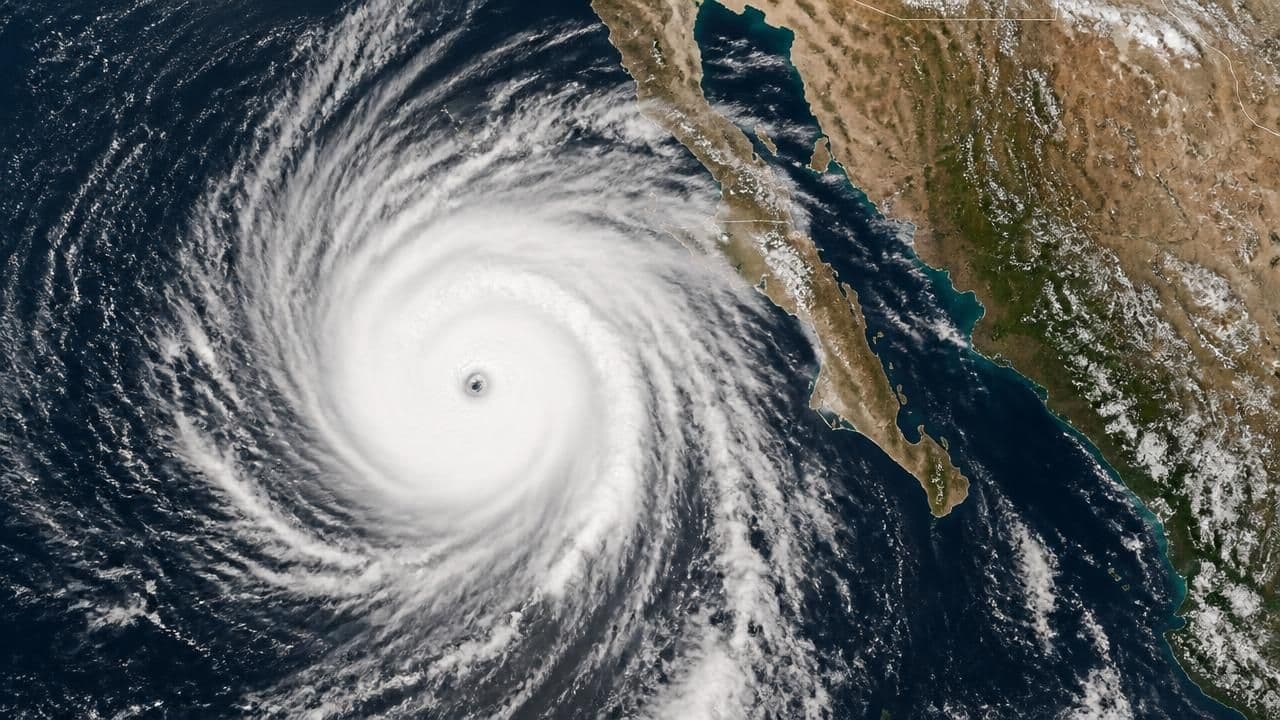
Corroborating evidence is emerging from multiple quarters. New Scientist reports a surge in ocean heat content, which is a critical indicator because the oceans absorb more than 90% of the extra heat trapped by greenhouse gases. "The ocean is the memory of the climate system," the article notes. "And its memory is now running a fever." Meanwhile, research highlighted by The Independent shows that sea levels are rising at triple the rate they were in 1990. This acceleration is driven by both thermal expansion of seawater and the accelerating loss of ice from Greenland and Antarctica.
The Southern Ocean's Warning
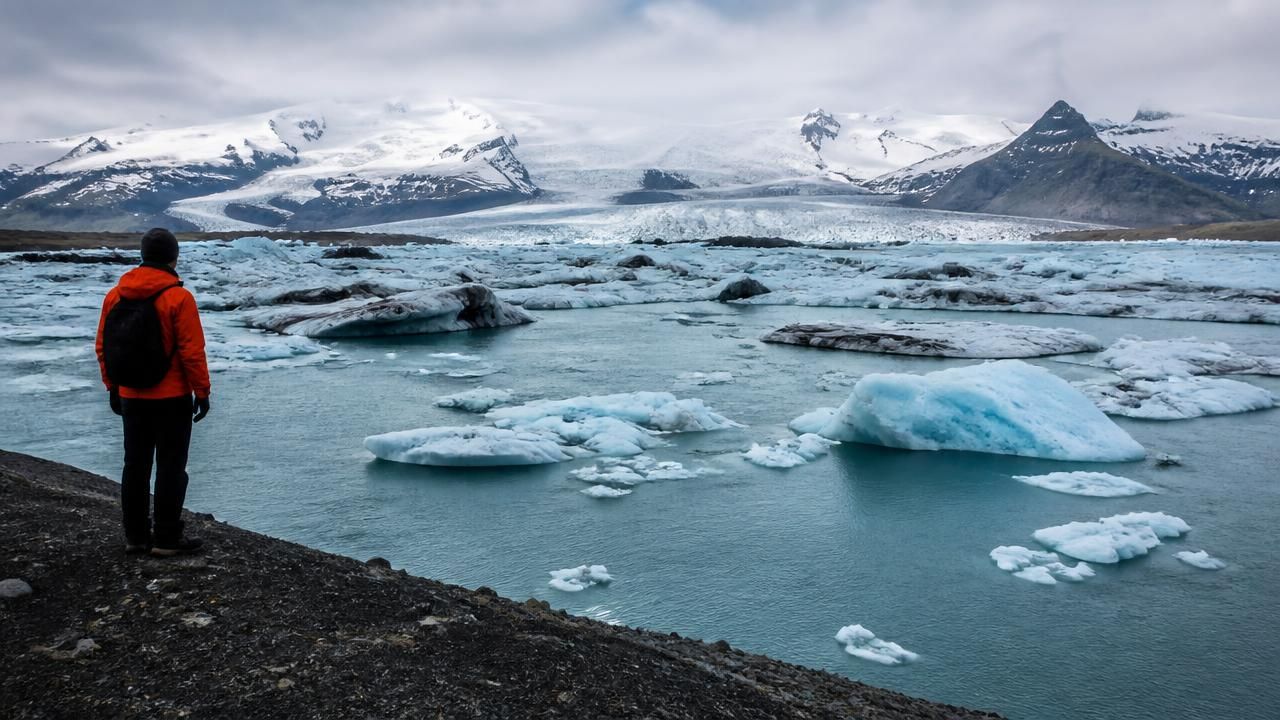
The Brighter Side of News reports troubling signs from the Southern Ocean, where warming waters are destabilizing ice shelves and affecting marine ecosystems. This is particularly concerning because the Southern Ocean acts as a major carbon sink, absorbing a significant portion of human CO2 emissions. If it becomes less efficient at doing so, more carbon will remain in the atmosphere, further accelerating warming.
Methane: A Dangerous Feedback Loop
Science.org adds another layer of concern: a feedback loop may be accelerating methane emissions. Methane is a greenhouse gas far more potent than CO2 over the short term. As permafrost thaws and tropical wetlands warm, they release methane that was previously trapped. This creates a self-reinforcing cycle: warming releases methane, which causes more warming, which releases more methane. The report calls it an "ominous sign" that could push the climate system past critical thresholds.
The Cleaner Air Paradox
One of the more surprising twists in the story comes from New Scientist's investigation into cleaner air. Aerosols—tiny particles from burning fossil fuels—have historically masked a portion of greenhouse gas warming by reflecting sunlight back into space. As the world has reduced air pollution, particularly sulfates, this masking effect has diminished, meaning the full force of CO2-driven warming is now being expressed. "Is cleaner air accelerating global warming more than we expected?" the headline asks. The answer, according to a growing number of scientists, is yes—though that does not mean we should pollute more. Rather, it underscores the urgency of cutting CO2 emissions dramatically.
Political and Public Reactions
The accelerating crisis has also entered the political realm. ThinkProgress revived a warning from U.S. Representative Alexandria Ocasio-Cortez, who said climate change could make life on Earth "unsustainable." Scientists interviewed by ThinkProgress said her dire warning was "spot on," given the new data. "We are not talking about a distant threat," said one researcher. "We are talking about the next few decades."
Meanwhile, a Sunday news roundup from Blue Virginia described a "Fiery July" as heat records fell across the globe, while The Star's coverage highlighted "wild weather" as a dire signal in the data. These reports reflect a growing sense among journalists that the climate story is no longer one of slowly unfolding change but of abrupt and visible disruption.
Historical Context and the Road Ahead
The acceleration is particularly striking when placed in historical context. Back in 2006, BBC News reported a "sharp rise" in carbon emissions, but at that time the warming rate was still within the range scientists had modeled. Today, the observed acceleration exceeds many projections. The Paris Agreement's goal of limiting warming to 1.5°C above pre-industrial levels now appears almost out of reach without rapid, unprecedented action.
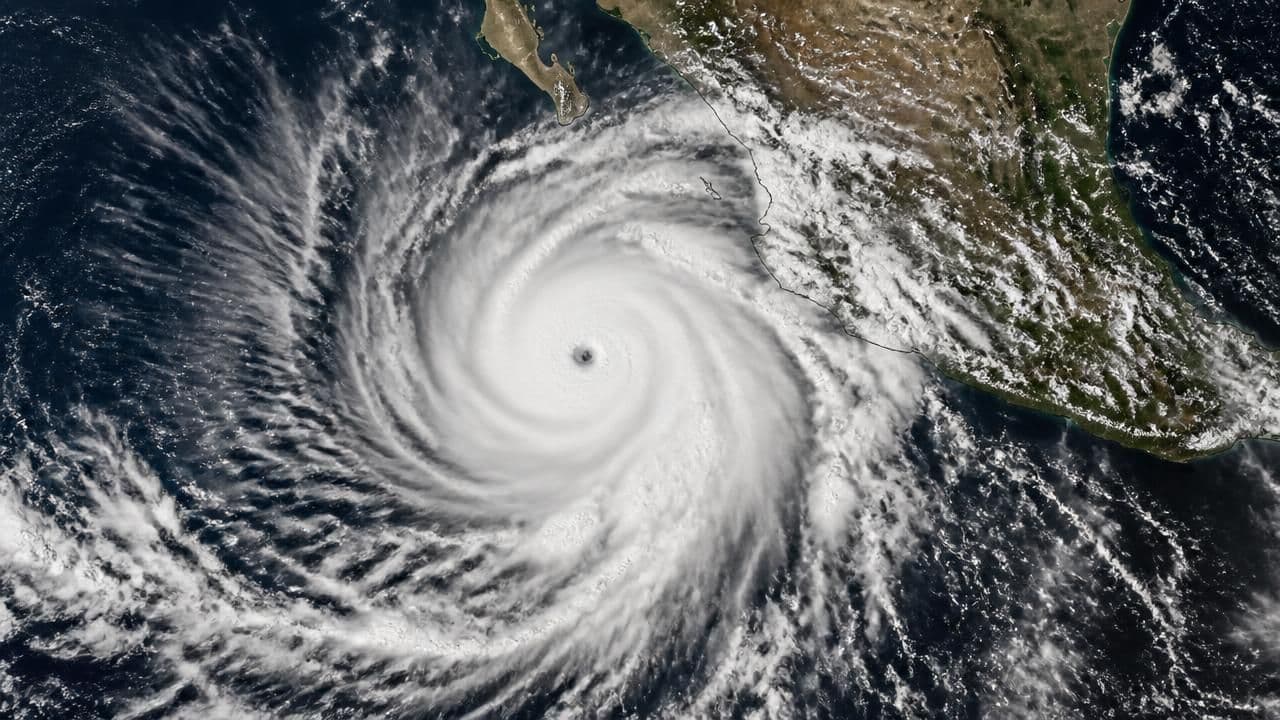
The implications are immense. A rate of 0.35°C per decade means we could cross the 1.5°C threshold within the next two decades—and reach 2°C even sooner. That would mean more extreme heatwaves, more intense storms, higher sea level rise, and widespread ecosystem collapse. The window for meaningful intervention is closing, and the latest data is a stark reminder that every fraction of a degree matters.
Scientists emphasize that the news is not all doom. The fact that we can detect the acceleration with high statistical confidence is a triumph of measurement and monitoring. And because the acceleration is driven by human activity, it can also be slowed by human action—if we choose to act. As the Guardian's coverage puts it, "Humanity heating planet faster than ever before" is not just a warning; it is also a call to arms.
"We are in a race against time. The physics is clear, and now the data is too. The only question is whether we will respond with the speed and scale that this emergency demands."
A Global Emergency
The story is being covered across the world, from scientific journals to local news portals, and each perspective adds another piece to the puzzle. Inventiva's piece asks whether we are underestimating the crisis, echoing a sentiment that the accelerating data may still not have fully sunk into public consciousness. The Britannica entry on climate change continues to frame it as a contentious debate, though the scientific consensus is overwhelming. Even as some outlets struggle with paywalls and server errors, the underlying message is clear: global warming is accelerating, and the world must adapt and mitigate with far greater urgency.
The coming decade will be pivotal. Will we rise to the challenge? The data says we have no time to lose.