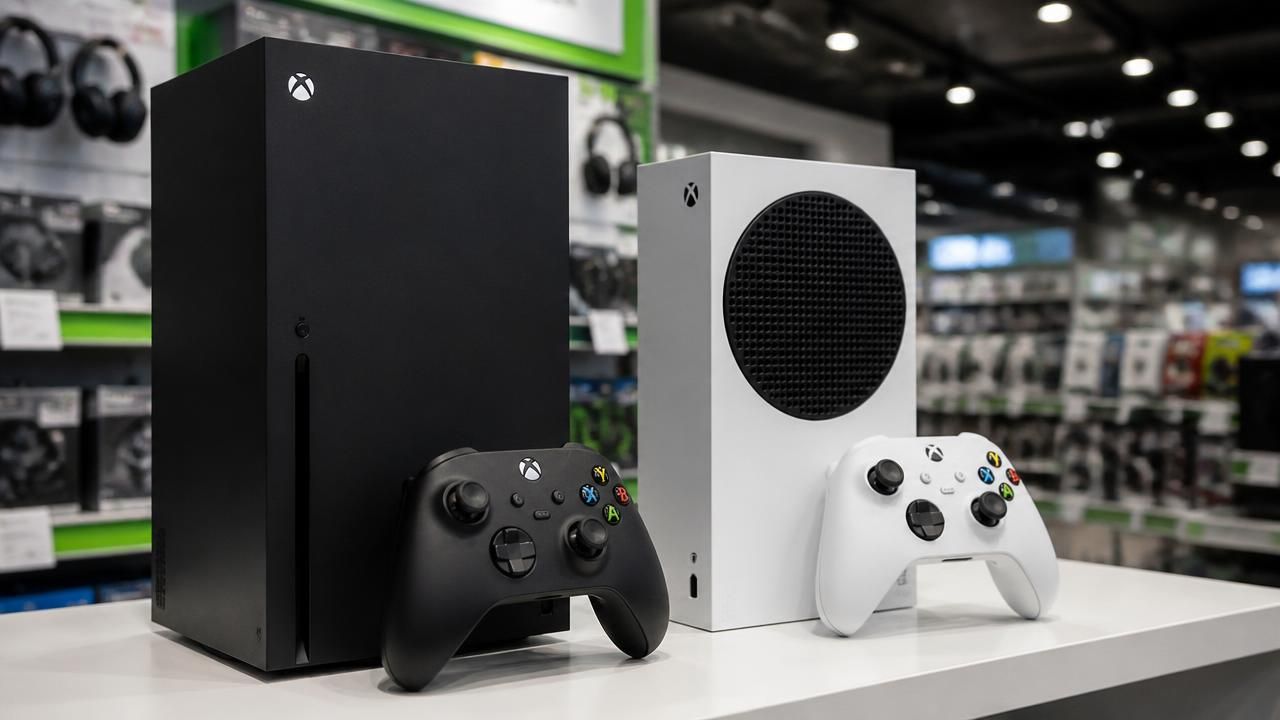
Microsoft has officially raised the prices of its Xbox Series X and Series S consoles across Europe and the UK, with increases reaching as high as €200 or £170 depending on the model. The long-anticipated adjustment, which follows a similar price hike in the US announced in June, has now gone live, leaving retailers and consumers to grapple with a significantly more expensive entry into the current console generation.
The most striking increase comes on the 1TB Xbox Series X with a disc drive, which jumps from £499.99 / €599.99 to £669.99 / €799.99 — a rise of over 30 percent. Even more dramatic is the 512GB Xbox Series S, which sees a 43 percent increase from £299.99 / €349.99 to £429.99 / €499.99. That means the budget-friendly Series S now costs exactly what the Series X cost at its launch in 2020, a symbolic shift that has not gone unnoticed by industry analysts.
The Component Cost Conundrum
The price hikes are widely attributed to skyrocketing costs of RAM and storage components, driven in part by the explosive demand from the AI industry. As data centers and AI training models compete for the same memory and NAND flash supplies, console makers have been forced to absorb higher costs or pass them on to consumers. Microsoft is not alone in this struggle, but the magnitude of its increases has drawn particular scrutiny.
“They didn’t plan at all,” a source reportedly told VGC, hinting that Microsoft’s initial pricing strategy may have been overly optimistic in the face of supply chain volatility. That comment underscores a broader concern that the current price rises may not be the last. Indeed, reports are circulating that Microsoft has already warned partners of yet another potential price increase for the Xbox platform in the near future, potentially further eroding consumer confidence.
A Wider Industry Trend
Microsoft’s move is part of a wider trend. Valve, too, has recently raised Steam Deck prices by more than 40 percent, explicitly citing component costs. Sony, meanwhile, has raised PS5 prices in some markets but not with the same severity as Xbox in Europe and the UK. As a result, the PlayStation 5 now enjoys a significant price advantage over its main rival. For example, the Xbox Series X at £669.99 is £100 more expensive than the PS5 disc edition, a gap that could influence holiday purchasing decisions.
“The Xbox Series S was previously seen as the smart budget choice, but at €499 it now sits in the same territory as the premium consoles,” noted one gaming analyst. “The value proposition has been completely upended.”
Market Impact and Consumer Backlash
The increases have sparked backlash among consumers, with many taking to social media to express frustration. Some argue that the price hikes undermine Microsoft’s commitment to accessibility and Game Pass adoption. Others point out that, historically, console prices tend to decrease over time, not increase, making this a rare and unwelcome departure from industry norms.
- Xbox Series X (1TB, disc): From £499.99 / €599.99 to £669.99 / €799.99 (+30%)
- Xbox Series S (512GB): From £299.99 / €349.99 to £429.99 / €499.99 (+43%)
- US pricing: Already increased in June, with the Series X now $649.99 and Series S $399.99.
Retailers across Europe and the UK have begun updating their listings to reflect the new MSRPs, though some existing stock may still be available at old prices until sold through. Microsoft has not commented directly on the European changes, but the company earlier stated that regional pricing adjustments are necessary to remain competitive and aligned with market conditions.
What This Means for the Console Battle
The timing is particularly awkward for Microsoft, coming just as it has finally closed its $69 billion acquisition of Activision Blizzard and looks to bolster its exclusive lineup. While Microsoft has pivoted to a multi-device strategy with Game Pass and cloud gaming, hardware sales still matter. A higher price tag could push some gamers toward Sony’s PlayStation 5 or even Nintendo’s Switch 2, which is expected to launch next year.
For now, the Xbox ecosystem remains attractive for those already invested, but the price increases represent a critical test. If component prices continue to climb and Microsoft’s predicted further increase materializes, the value gap between Xbox and PlayStation could widen even more, reshaping a market already under pressure from economic headwinds.
Looking Ahead
As the industry grapples with what Microsoft itself has described as a challenging cost environment, analysts expect similar moves from other hardware makers. The era of cheap consoles may be over, and both consumers and manufacturers will need to adapt. For those sitting on the fence, the advice increasingly appears to be: buy now, or pay more later.
This is a developing story. We will continue to monitor Microsoft’s pricing strategy and its impact on the gaming landscape.