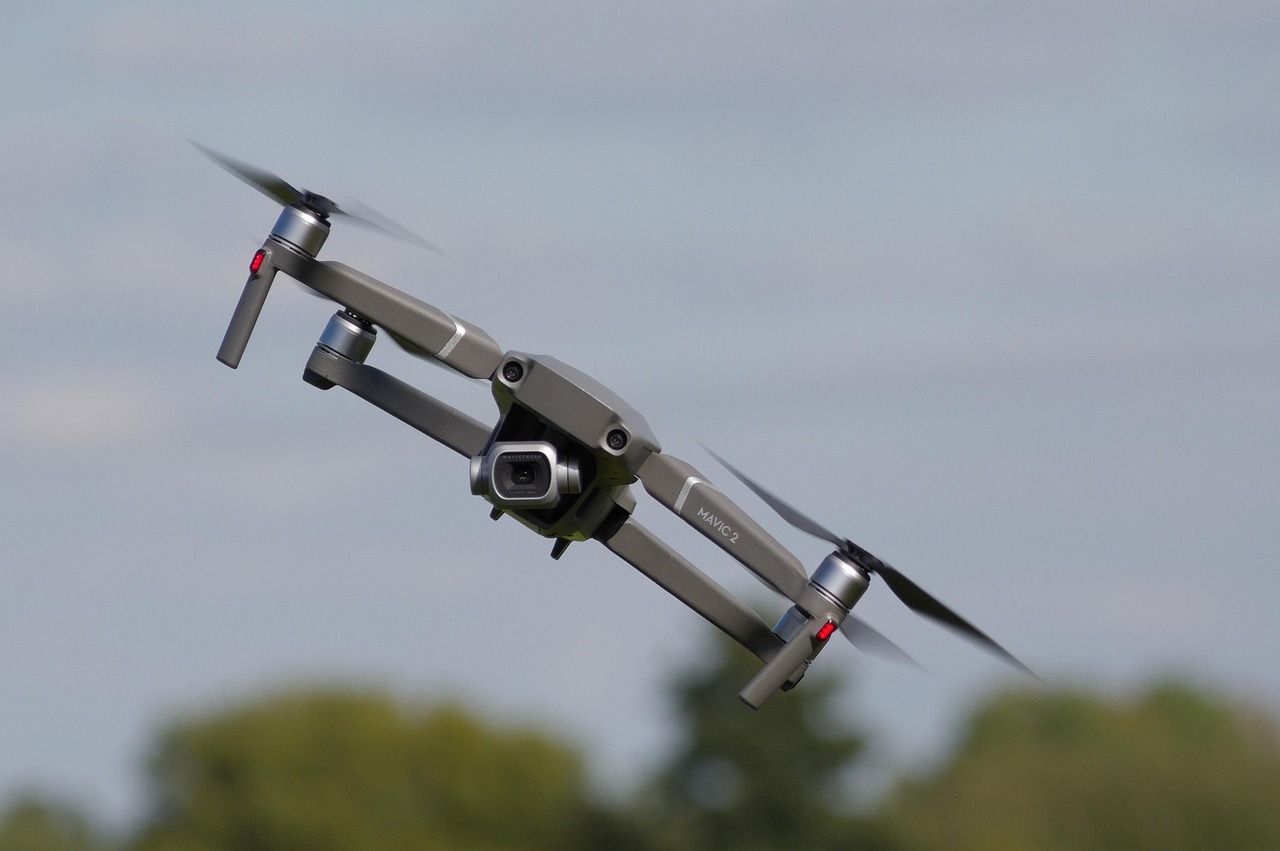
At the recent Eurobike trade show in Frankfurt, a new e-bike motor has captured the attention of the cycling world. The Avinox MG Concept, a Motor Gearbox Unit (MGU) developed by Avinox—a spinoff of drone giant DJI—promises to revolutionize how e-bikes operate. With features like automatic gear shifting based on rider cadence and a powerful 1,500W motor, this innovation is poised to ignite a power war in the e-bike industry, even as it raises questions about regulation and the future of cycling.
What is the Avinox MG Concept?
The Avinox MG Concept is an integrated motor and gearbox unit designed for e-bikes. Unlike traditional systems that rely on a separate motor and a derailleur-based transmission, the MGU combines both functions into a single compact unit. This design eliminates the need for a fragile derailleur and heavy multi-speed cassette, reducing maintenance and improving reliability. The motor automatically adjusts gears to maintain the rider's preferred pedaling cadence, regardless of terrain. Alternatively, riders can opt for manual control with an infinite number of virtual gears, offering a customized experience.
According to The Verge, the MG Concept is one of two such systems unveiled at Eurobike, signaling a trend toward integrated motor-gearbox solutions. The other system, from a different manufacturer, underscores the industry's shift toward more sophisticated e-bike drivetrains.
Power and Performance
One of the most striking aspects of the Avinox motor is its power output. As reported by Cycling Weekly, the motor delivers a staggering 1,500W of peak power, far exceeding the typical 250W limit for e-bikes in Europe. This has ignited a 'power war' among manufacturers, with some pushing for higher power limits to enhance performance. The Avinox motor is also expected to appear on road bikes, with the Megamo Upon being the first road bike to feature it.
However, such high power raises regulatory concerns. In many jurisdictions, e-bikes are limited to 250W to classify as bicycles rather than motor vehicles. The Avinox motor could blur these lines, potentially requiring new regulations or forcing riders to register their e-bikes as mopeds. Pinkbike.com's 'Burning Question' feature highlights the debate: should e-bike motors be capped, or should they be allowed to evolve without restriction?
Industry and Environmental Context
The launch of the Avinox MG Concept comes amid broader shifts in the transportation sector. Reuters reported on Germany's auto show, the IAA Mobility, which is attempting to rebrand itself as a climate-friendly event. The show has moved from focusing on traditional cars to highlighting e-bikes, scooters, and other micro-mobility solutions. This reflects a growing recognition that electric two-wheelers can play a key role in reducing urban emissions.
Yet, as Reuters also noted, the travel sector faces a challenge: tourists are reluctant to pay a premium for green options. This tension between innovation and consumer willingness to adopt sustainable technologies is also evident in the e-bike market. While high-performance motors like Avinox's could attract enthusiasts, the cost and regulatory hurdles may limit widespread adoption.
Financial Implications
In a separate development, Reuters reported that Mitsubishi UFJ Financial Group is acquiring Indonesian auto loan firm Mandala for $467 million. This acquisition signals growing investment in Southeast Asia's automotive and mobility sectors, including e-bikes. As e-bike technology advances, financial institutions are likely to increase lending for both manufacturing and consumer purchases, further fueling the market.
Expert Views and Differing Perspectives
Industry experts are divided on the Avinox MG Concept. Proponents argue that integrated motor-gearbox units represent the future of e-bikes, offering a smoother, more efficient ride. They point to the potential for reducing mechanical complexity and improving reliability. Critics, however, worry about the power arms race. Some cycling advocates fear that overly powerful e-bikes could lead to safety issues and alienate traditional cyclists. The Pinkbike article notes that the debate isn't just about power but also about the philosophy of what an e-bike should be: a pedal-assist vehicle or a motorized machine.
“This motor could be the future of e-bikes, but it also raises important questions about regulation and the identity of cycling,” said a cycling industry analyst quoted by The Verge.
Historical Context and Future Outlook
E-bikes have evolved rapidly from niche products to mainstream transportation. The introduction of integrated motor-gearbox units like the Avinox MG Concept marks a new chapter, moving beyond simple pedal-assist to intelligent, adaptive systems. As battery technology improves and costs decline, e-bikes are becoming more accessible. However, the power debate is likely to intensify, with manufacturers pushing boundaries and regulators trying to keep pace.
The Avinox motor's arrival on road bikes, as reported by Cycling Weekly, could also reshape competitive cycling. While e-bikes are already used in some categories, a 1,500W motor would be a game-changer for hill climbs and long-distance events. Whether such motors will be allowed in races remains to be seen.
Conclusion
The Avinox MG Concept is more than just a new motor; it's a symbol of the tensions and opportunities in the e-bike industry. From its innovative design to its controversial power, the motor encapsulates the challenges of balancing innovation with regulation, performance with sustainability. As the industry watches, one thing is clear: the future of e-bikes is accelerating, and it's bringing a lot of questions along for the ride.