The White House is at a crossroads over Iran, with President Donald Trump weighing massive military strikes against the Islamic Republic while his closest Gulf allies — led by Saudi Arabia — plead for restraint. The diplomatic firestorm comes as reports emerge of a possible nuclear deal, rival military buildups, and oil markets rattled to their highest level in years.
Saudi Arabia's Urgent Plea
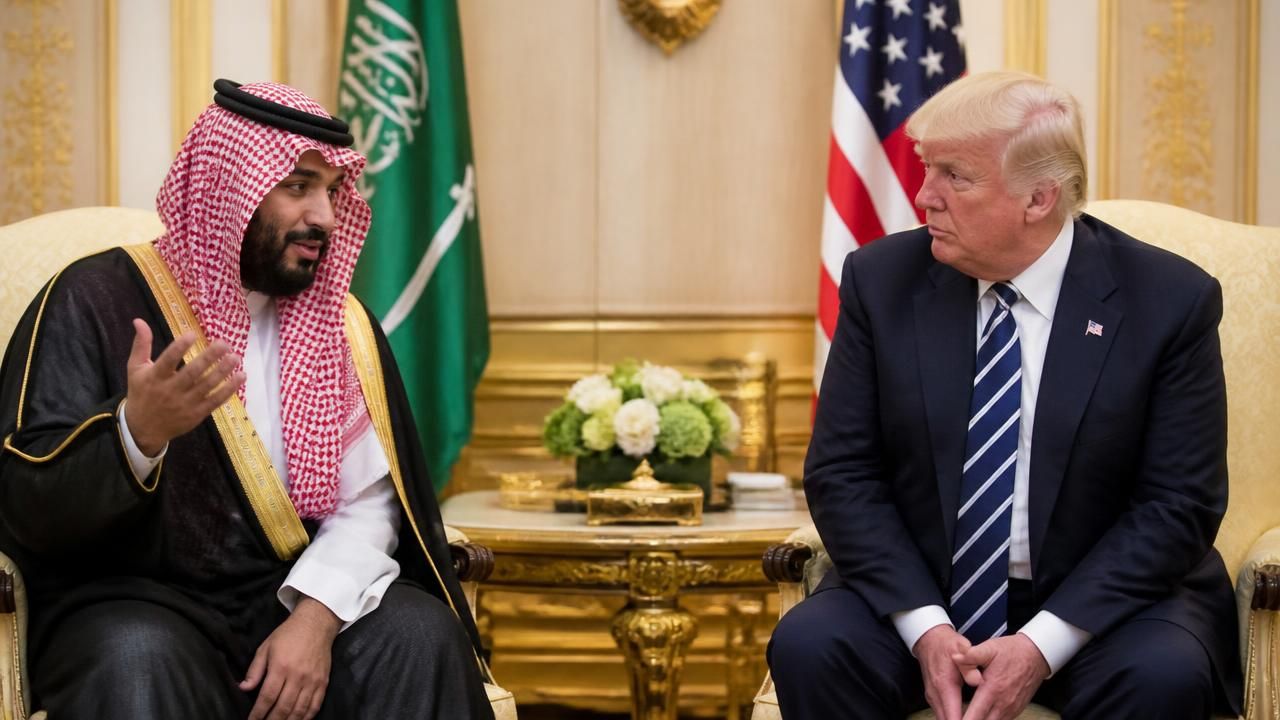
According to Axios and Bloomberg, Saudi Crown Prince Mohammed bin Salman (MBS) used a direct call with President Trump to voice deep concern over U.S. plans for a new round of strikes on Iran. The conversation — described by people familiar with it — saw the crown prince urging Trump to abandon a plan for major military action, an account echoed by the Associated Press and later confirmed by multiple officials. The Saudi leader's intervention came as Trump reportedly gave MBS his backing for risky Saudi strikes on Houthi targets in Yemen, a sign of the complex web of alliances and rivalries in the region.
Yet, when it comes to Iran's nuclear program, the calculus changes. Gulf leaders have privately told Trump they oppose strikes on Iran's nuclear sites, fearing that a full-blown conflict could engulf the region, disrupt oil exports through the Strait of Hormuz, and trigger retaliatory missile attacks on their own infrastructure. As one analysis from Alhurra asked: "Why Do Gulf States Want to Spare Iran from a U.S. Strike?" The answer lies in economic interdependence and the risk of asymmetric retaliation.
But not all Saudi voices agree. A separate report from Ynetnews quoted Saudi officials warning that if Trump does not strike now, the Iranian regime will grow stronger — a reflection of the deep divisions within the Gulf over how to handle Tehran.
Israel Pushes for Military Action
Israel, by contrast, is leaning hard on Washington to hit Iran. Prime Minister Benjamin Netanyahu — described by Axios as "diminished" ahead of his meeting with Trump — has expressed alarm over a new Iran framework, triggering a tense call with the President. The new peace proposal reportedly sparked concern in Jerusalem, where officials fear a deal that leaves Iran's nuclear infrastructure intact.
Israel has escalated its own military actions, with strikes on Tehran, attacks in Lebanon and Iraq, and a controversial operation in Qatar that infuriated Trump advisers. The President told Reuters that Israel attacked an Iran gas field without U.S. and Qatari involvement, and warned against attacks on Qatar — a rare public rebuke of Israel's tactics. According to Il Sole 24 Ore, Trump did not attack Iran partly because of Israel's fear of reprisals; Israel is concerned that a U.S. strike would trigger a massive missile barrage that could overwhelm its defenses.
The Diplomatic Track: A Deal or Not?
Amid the military posturing, diplomacy continues. Trump has claimed that an "agreement is ready" and that the Strait of Hormuz will reopen, but Tehran quickly denied that any final decision had been made. Axios reported that Trump told them he was "50/50" on an Iran deal, with a decision expected by Sunday. The talks have been marked by the involvement of Jared Kushner, described as "deeply conflicted" while representing the U.S. in high-stakes negotiations.
"Serious negotiations are underway," Trump said, announcing that a planned attack had been suspended.
The WSJ, however, reports that Trump plans to resume strikes on Iran if peace talks fail. The President himself told Axios he is ready for "strong military action" if negotiations collapse. The "Board of Peace" — a new group debuting at the White House — may be the vehicle for a final diplomatic push, but Middle East experts remain skeptical. Iran, meanwhile, has threatened to quit talks after a U.S. carrier shot down an Iranian drone, adding to the volatility.
Military Buildup and the "Order That Never Came"
The Pentagon has been positioning forces for a potential conflict. The U.S. is deploying additional tanker aircraft to Israel to enhance operations against Iran. The UAE is considering striking Iranian missile sites and preparing to support U.S. efforts to reopen the Strait of Hormuz by force, according to the WSJ. CENTCOM has briefed Trump on a new plan of strikes — a report that sent oil prices to their highest level since 2022.
Yet, behind the scenes, the order to attack never came. Axios detailed how Trump pulled back at the last moment, despite pressure from hawks. "The order never came" was the headline, describing the moment when advisors expected a launch signal that never materialized. The attack in Qatar by Israel — conducted without U.S. and Qatari involvement, according to Reuters — further complicated the picture. Iran retaliated with missile attacks on a U.S. base in Qatar, causing no casualties but raising the stakes significantly.
Economic Fallout
Oil markets are the canary in the coal mine. Brent crude soared to levels not seen since 2022 as traders priced in supply disruption risk. Any conflict involving the Strait of Hormuz — the world's most important oil chokepoint — could send prices spiraling. Gulf states, heavily reliant on oil revenues, recognize that a war could destroy global demand and their own infrastructure. This is why they are "begging" Trump not to attack their enemy, as one analysis put it.
The financial incentives behind the conflict were also laid bare by Popular Info's investigation into "the money behind the new Iran War," revealing vested interests pushing for military action. Meanwhile, Saudi Arabia's crown prince faces his own headwinds on a nuclear deal and Yemen policy during his U.S. visit, complicating his ability to influence Trump's decision.
What's Next?
The situation remains highly fluid. Trump will be briefed on new Iran options, with Israeli and Saudi officials shuttling to the White House, and Defense Secretary Pete Hegseth planning his own visit to Israel ahead of Trump's Middle East trip. A decision could come as early as Sunday, but the President's mixed signals — threatening action while touting a deal — leave the world guessing.
One thing is certain: the Saudi crown prince's message has landed. Whether Trump heeds it will determine whether the Middle East spirals into a wider war or finds a fragile peace.