A coordinated wave of cyberattacks has compromised water systems in at least seven U.S. states, with federal officials increasingly pointing to Iran as the likely culprit. The breaches, which have affected utilities in Minnesota, California, and other states, have triggered a nationwide investigation and sparked political controversy over the transparency of the response.
The Scope of the Attacks
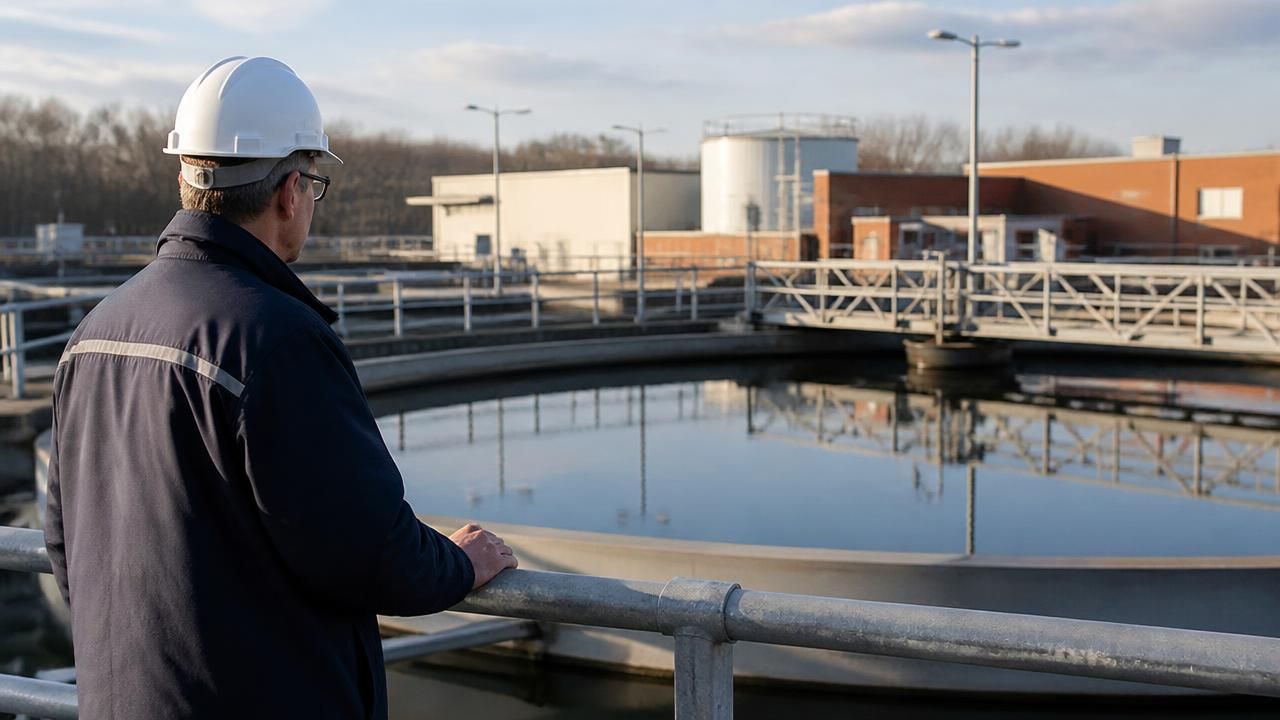
According to initial reports, hackers targeted water treatment facilities and related infrastructure, gaining unauthorized access to control systems. In Minnesota alone, more than 30 water systems were hit, according to Türkiye Today, while California water systems have also been breached, raising fears about the safety of drinking supplies. The U.S. Cybersecurity and Infrastructure Security Agency (CISA) is leading an investigation into the incidents, which appear to be part of a broader campaign against critical infrastructure.
Officials say the attacks are not merely opportunistic. The LA Times reports that “Iran is attempting cyberattacks against critical U.S. infrastructure,” suggesting a deliberate, state-sponsored effort. A leaked memo, obtained by Wired, directly ties the Minnesota water utility attacks to Iran, providing a paper trail that investigators are now scrutinizing.
Attribution and Evidence
The New York Times, citing unnamed officials, says the U.S. now sees Iran as “likely behind” the Minnesota water system attacks. CBS News confirms that the federal government is investigating whether Iran orchestrated the breaches across seven states. The evidence includes technical indicators, such as IP addresses and malware signatures, that link the attacks to known Iranian threat actors, particularly groups associated with the Islamic Revolutionary Guard Corps (IRGC).
“This is a direct threat to public safety and national security,” said a senior official familiar with the investigation. “We are taking every measure to secure these systems and hold the perpetrators accountable.”
Political Fallout
The attacks have quickly become a political flashpoint. Minnesota Governor Tim Walz has accused former President Trump of hiding the full scope of the cyberattack. Speaking to The New Republic, Walz suggested that the Trump administration knew about the severity of the threat but failed to disclose it fully to the public or affected states. “The American people deserve to know the truth about who is targeting our water and why,” Walz said.
The accusation adds to a growing narrative that the federal response has been fragmented. Politico reports that critical U.S. networks are prime targets and that agencies are scrambling to prepare for further Iranian strikes. The leaks and differing accounts from federal and state officials have created confusion about the timeline and extent of the breaches.
Why Iran?
Analysts point to heightened tensions between Washington and Tehran as a key motivator. The attacks follow recent U.S. strikes on Iranian targets and escalating rhetoric over Iran’s nuclear program. Iran has a history of retaliatory cyber operations against U.S. infrastructure, including financial institutions and energy facilities. Cybersecurity experts note that water systems are often less protected than other critical sectors, making them an attractive target for state-sponsored hackers seeking to cause chaos and erode public trust.
Industry and Expert Response
Water utility operators across the country are now on high alert. Many are implementing emergency measures, including password resets, network segmentation, and enhanced monitoring. The American Water Works Association has issued guidance urging utilities to review their cybersecurity protocols immediately.
“This is a watershed moment for the water sector,” said a cybersecurity consultant who works with municipal utilities. “For years, we’ve warned that these systems are vulnerable. Now we’re seeing it happen at scale.”
The attacks also highlight a broader trend: the increasing weaponization of cyber tools by nation-states to target critical infrastructure. Energy and water systems are especially vulnerable because they rely on legacy industrial control systems that were not designed for the modern threat environment.
What Happens Next
The FBI, CISA, and the National Security Agency are working with affected states to assess the full impact. Congress is expected to hold hearings on the attacks, and lawmakers from both parties are calling for stronger cybersecurity standards for public utilities. In the meantime, the public is advised to monitor local water advisories and report any suspicious activity to authorities.
The story continues to evolve, with new details emerging daily. What is clear is that the attack represents a significant escalation in cyber hostilities against the United States—and a wake-up call for the nation’s critical infrastructure.