The Democratic Republic of Congo (DRC) is facing the fastest-growing Ebola outbreak in recorded history, with the death toll surpassing 1,500 and confirmed cases exceeding 3,360, according to Congolese health officials and the World Health Organization (WHO). The outbreak, which has now spread to five provinces in the eastern part of the country, has become the third-largest and second-deadliest Ebola epidemic ever recorded—trailing only the devastating 2014–2016 West Africa outbreak that killed more than 11,000 people.
A 'Fire' That Will Not Be Extinguished
Dr. Tedros Adhanom Ghebreyesus, WHO Director-General, described the situation in stark terms:
'This is a fire that has been burning for a long time, and it is not yet under control.'His warning echoes the growing alarm among health experts, some of whom say the outbreak is spiraling beyond current response capacities.
The case fatality rate is estimated at roughly 45%, with 1,487 deaths recorded out of 3,360 confirmed cases. The previous milestone—1,000 deaths—was crossed in March 2019, and the death toll has continued to climb despite the largest-ever deployment of an experimental Ebola vaccine.
What Makes This Outbreak Different
The outbreak, declared in August 2018 in North Kivu province, is occurring in a region plagued by armed conflict, political instability, and deep community mistrust. Health workers have been attacked, clinics have been vandalized, and many residents are reluctant to seek treatment or accept vaccination. The Independent reports that "mistrust keeps people from health clinics," with many communities believing Ebola is a hoax or a foreign conspiracy.
This is in stark contrast to previous outbreaks in remote rural areas, where authorities were able to quickly isolate cases. In eastern DRC, the constant movement of people across porous borders—including into Uganda and Rwanda—raises the risk of international spread. Uganda recently cleared a number of suspected cases, but health officials remain on high alert.
Health Workers on Strike
Adding to the crisis, health workers in the region have gone on strike over unpaid salaries and dangerous working conditions, as The Sun reported. This has further halted contact tracing and vaccination campaigns in some areas.
A Race Against Time
The outbreak has become the fastest-growing ever, according to multiple reports, with the number of cases accelerating rather than declining. At one point, the infection rate was doubling every few weeks. Experts attribute the rapid spread to a combination of insecurity, community resistance, and inadequate funding.
Professor David Heymann, a leading infectious disease epidemiologist, warned:
'This is out of control, and worse is to come unless the international community steps up in a major way.'His comments, carried by MSN News, underscore the fragility of the current response.
The Vaccine Dilemma
The WHO and Congolese health authorities have deployed the rVSV-ZEBOV vaccine, which has proven highly effective against the Zaire strain of the virus. More than 200,000 people have been vaccinated. However, the vaccine’s success has been hampered by logistical hurdles, cold-chain requirements, and community refusal.
Furthermore, as The Guardian notes, there are concerns about other strains, such as Bundibugyo, for which a vaccine is still months away. That raises the specter of a multi-strain epidemic, further complicating containment efforts.
What Needs to Be Done
Health leaders are calling for a scaled-up, community-centered approach that addresses the root causes of mistrust. This includes:
- Increasing the pay and protection of health workers;
- Engaging local leaders in awareness campaigns;
- Strengthening cross-border surveillance;
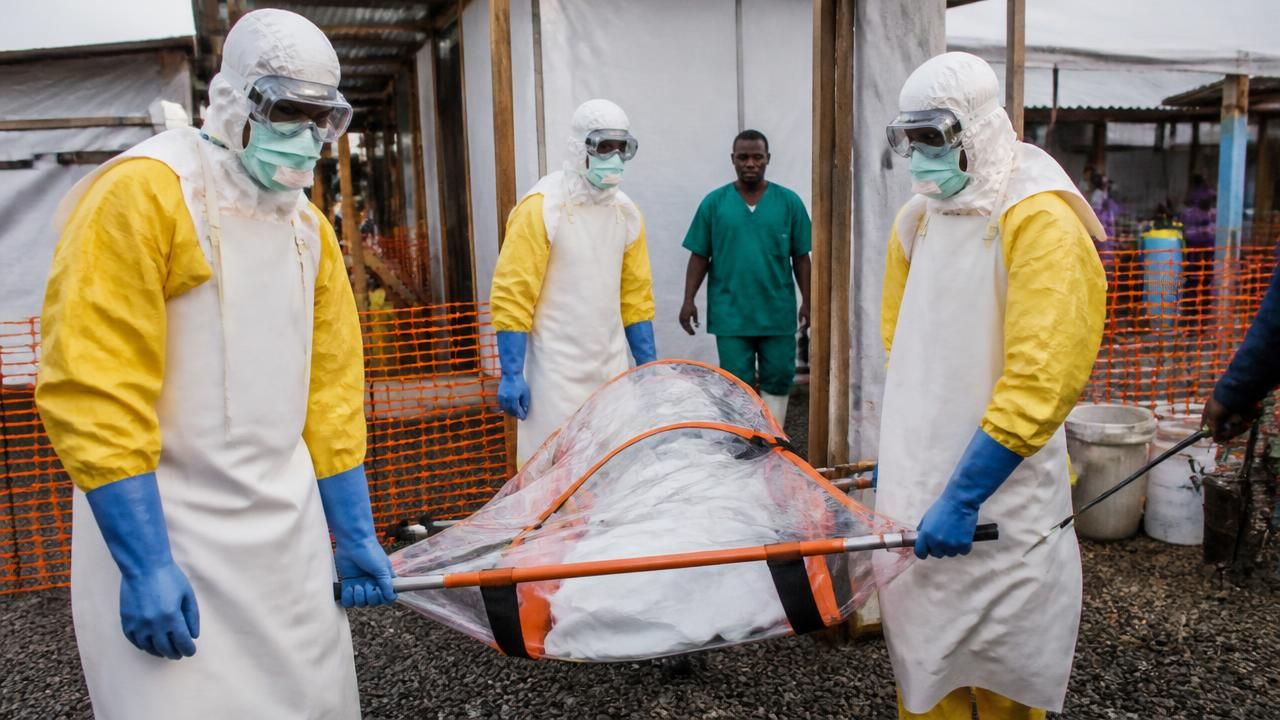
- Ensuring rapid and safe burial practices;
- And securing long-term international funding rather than short-term emergency pledges.
The WHO has repeatedly warned that the outbreak could spread to neighboring countries, and the UN Security Council has urged all armed groups to allow humanitarian access.
The Human Cost
Behind the statistics are stories of grief and fear. Orphaned children, widowed spouses, and entire communities living under the shadow of a disease that kills up to half of those infected. Health workers, already stretched thin by multiple disease outbreaks including measles and cholera, are exhausted.
As the world focuses on other global crises, the Ebola outbreak in DRC risks becoming a forgotten emergency. But as the WHO’s Tedros said:
'If we do not extinguish this fire, it will continue to spread—and by the time it reaches major cities, it will be too late.'