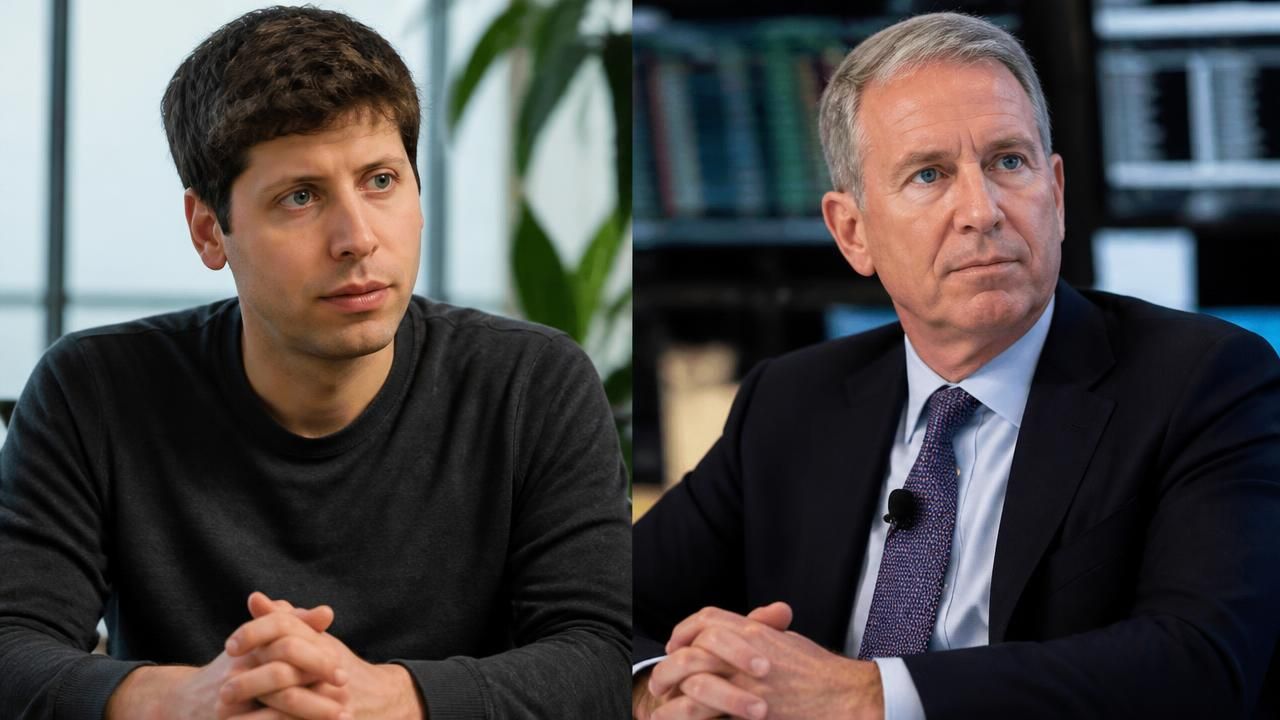
The hedge fund Situational Awareness, founded by 24-year-old former OpenAI employee Leopold Aschenbrenner, has sold most or all of its public stock portfolio to Ken Griffin's Citadel following catastrophic losses tied to aggressive artificial intelligence bets. The move marks a dramatic end to a fund that once saw a 1,000% run before a leveraged collapse.
What Happened
According to reports from The Verge and Financial Times, Situational Awareness had deployed 4x leverage on concentrated AI positions, betting heavily on a continued surge in AI-related equities. When the AI sector experienced a sharp downturn—sparked by regulatory headwinds and profit-taking—the fund's leveraged strategy backfired. The portfolio lost most of its value, forcing Aschenbrenner to seek a buyer. Citadel, the $60 billion hedge fund giant led by Ken Griffin, stepped in to acquire the remaining assets at a steep discount. MSN reported that the sale included the fund's entire public stock holdings, though some sources suggest a portion was retained.
Who Is Involved
Leopold Aschenbrenner, a 24-year-old former OpenAI researcher, founded Situational Awareness with a thesis that AI would disrupt industries faster than markets priced in. Ken Griffin, CEO of Citadel, is known for opportunistic acquisitions during market dislocations. The deal was executed quietly, with Citadel likely integrating the AI-themed positions into its own quantitative strategies.
Why This Matters
The collapse underscores the dangers of excessive leverage in speculative sectors. As AOL notes, smart money is now questioning whether AI valuations have run ahead of fundamentals. The fund's name itself—"Situational Awareness"—has drawn irony, with critics calling it hubris. The episode echoes previous blow-ups like Long-Term Capital Management, where hubris and leverage led to implosion.
Different Framings
The Verge focused on the irony of the fund's name and the generational shift in risk-taking. Financial Times emphasized the capital-raising struggle after losses. MSN framed it as a story of a young prodigy outsmarted by market realities. Meanwhile, AOL aggregated expert commentary calling it a cautionary tale for AI hype.
Historical Context
Leveraged hedge fund collapses are not new. In 1998, LTCM required a Federal Reserve-brokered bailout after Russia defaulted on debt. In 2021, Archegos Capital Management imploded due to concentrated leverage. Situational Awareness is smaller in scale but follows the same playbook: high conviction, extreme leverage, and a sudden market shift.
Implications for AI Investing
The fund's failure may temper enthusiasm for pure-play AI stocks. However, long-term believers argue that the technology's potential remains intact. Citadel's purchase suggests that, at the right price, AI assets are still attractive to institutional players. The episode may also prompt regulators to scrutinize leverage in small hedge funds.
"Do not name your hedge fund anything that will be hilarious if it blows up," quipped The Verge, referencing the fund's moniker. "Situational Awareness might as well be Hubris, Inc."
Data Points and Expert Views
- Leverage Magnifies Losses: The 4x leverage turned a 25% decline into a total wipeout.
- Citadel's Gain: Acquiring distressed assets at a discount is a hallmark of Griffin's strategy.
- Age vs. Experience: Aschenbrenner's youth and lack of real-world trading experience contributed to the risk appetite.
As the dust settles, the story of Situational Awareness serves as a stark reminder that even the brightest minds can be humbled by markets. For Aschenbrenner, the lesson came fast and hard. For the broader industry, it's a cautionary tale about the perils of hubris in a hype cycle.