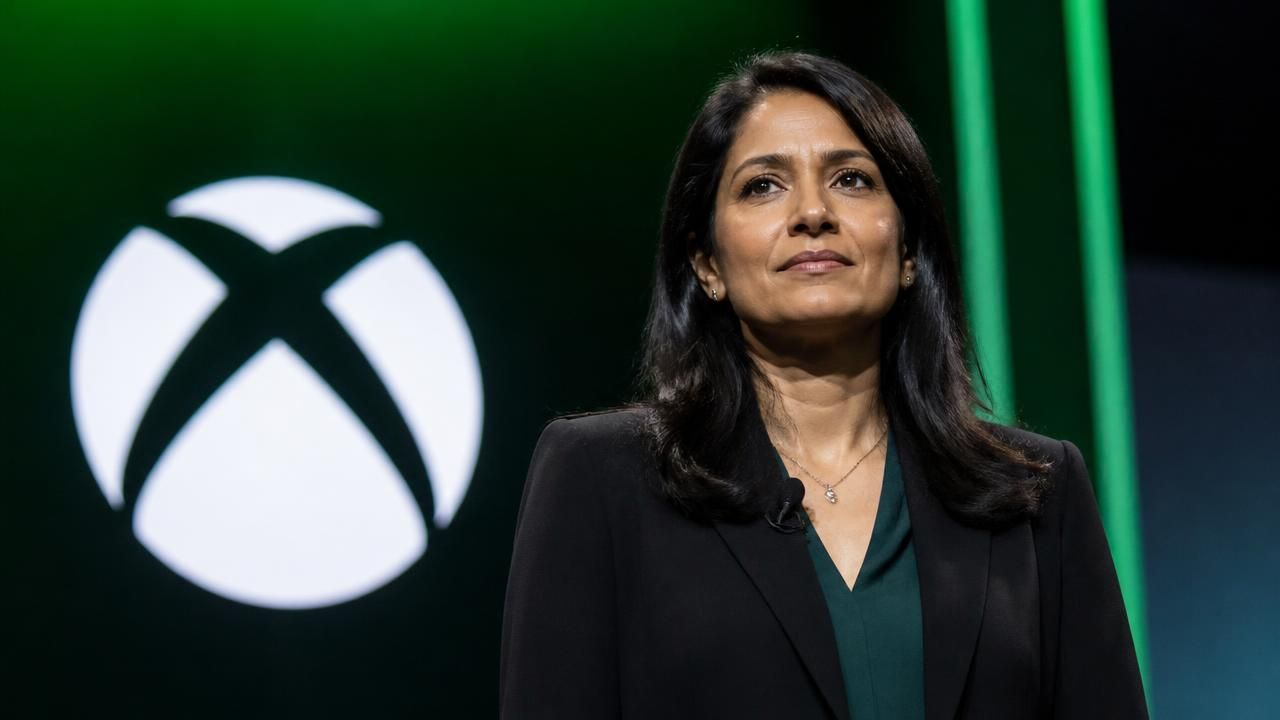
In the wake of a sweeping corporate restructuring that saw thousands of employees laid off and four studios spun off, Xbox CEO Asha Sharma has issued a memo to staff detailing her vision for the future. The memo, obtained by The Verge, lays out ambitious goals: return to player and revenue growth by the end of fiscal year 2027, improve profits to industry averages, and eventually surpass competitors on margins by 2030. The plan marks a critical turning point for Microsoft's gaming division, which has faced mounting pressure after a year of turmoil.
The Memo and Its Mandates
Sharma, who took the helm of Xbox in February, has wasted no time implementing changes. According to the memo, every function and studio will be held accountable for contributing to the turnaround. "We will return XBOX to player and revenue growth," Sharma wrote, emphasizing that the goal is not just to stop the bleeding but to thrive. The memo also calls for "improving profits back in line with industry averages," a clear signal that Microsoft intends to close the gap with competitors like Sony and Nintendo.
"Every function and studio will own part of that outcome." — Asha Sharma, Xbox CEO (via internal memo)
Sources familiar with the company's strategy indicate that the push for profitability will involve a combination of cost-cutting measures, more efficient game development cycles, and a renewed focus on high-margin services like Game Pass and cloud gaming. The layoffs, which affected nearly half of id Software's staff according to a TweakTown report, are part of a broader effort to streamline operations without sacrificing key franchises like Doom and Quake.
The Road to 2027 and Beyond
Sharma's timeline is aggressive. By the end of fiscal 2027—which runs through June of that year—Xbox must return to growth. But the memo reportedly goes further, with CNBC reporting that Sharma aims to "pass rivals on margin by 2030." This long-term objective suggests that Microsoft is betting on its ability to leverage its cloud infrastructure, first-party exclusives, and subscription model to eventually outpace the competition in profitability.
The strategy comes after a "terrible year," as Kotaku described it, marked by high-profile studio closures, delayed titles, and declining hardware sales. The reset included spinning off four studios—though Microsoft has not publicly named them—and cutting thousands of jobs across Bethesda, 343 Industries, and other teams. The moves have sparked criticism from both fans and industry veterans, but Sharma's memo signals a firm resolve to steady the ship.
Impact on Studios and Franchises
Despite the layoffs, key franchises remain sacrosanct. According to TweakTown, Doom and Quake are still priorities at id Software, even after nearly half the studio was let go. This suggests that Microsoft is pruning non-essential projects and focusing resources on proven properties. Similarly, other major franchises like Halo, Forza, and The Elder Scrolls are expected to receive continued investment, though with tighter budgets and stricter performance metrics.
Perspectives from Analysts
Industry analysts have offered mixed reactions. Some see Sharma's plan as necessary but risky. "The gaming market is brutally competitive," said Alexandra Peters, an industry analyst at TechInsights. "Returning to growth while cutting costs is a high-wire act. If Microsoft can pull it off, they'll be in a strong position for the next console generation." Others caution that the layoffs could damage morale and harm creative output. "You can't squeeze creativity out of a fearful workforce," noted game developer-turned-consultant Mark Liu.
The divergence in framing between outlets is telling. The Verge emphasizes the memo's business metrics and Sharma's leadership, while Kotaku focuses on the human toll of the layoffs. CNBC highlights the competitive angle, and TweakTown zeroes in on the impact on specific studios. Together, they paint a picture of a division in flux, attempting to reinvent itself after a painful reset.
Conclusion
Xbox's future hinges on whether Sharma's plan can deliver results without alienating the developers and players who sustain the platform. The timeline is ambitious, the stakes high. If successful, Microsoft could emerge as a leaner, more profitable gaming powerhouse. If not, the reset may be remembered as the beginning of the end for Xbox as a console-maker. For now, all eyes are on fiscal 2027.