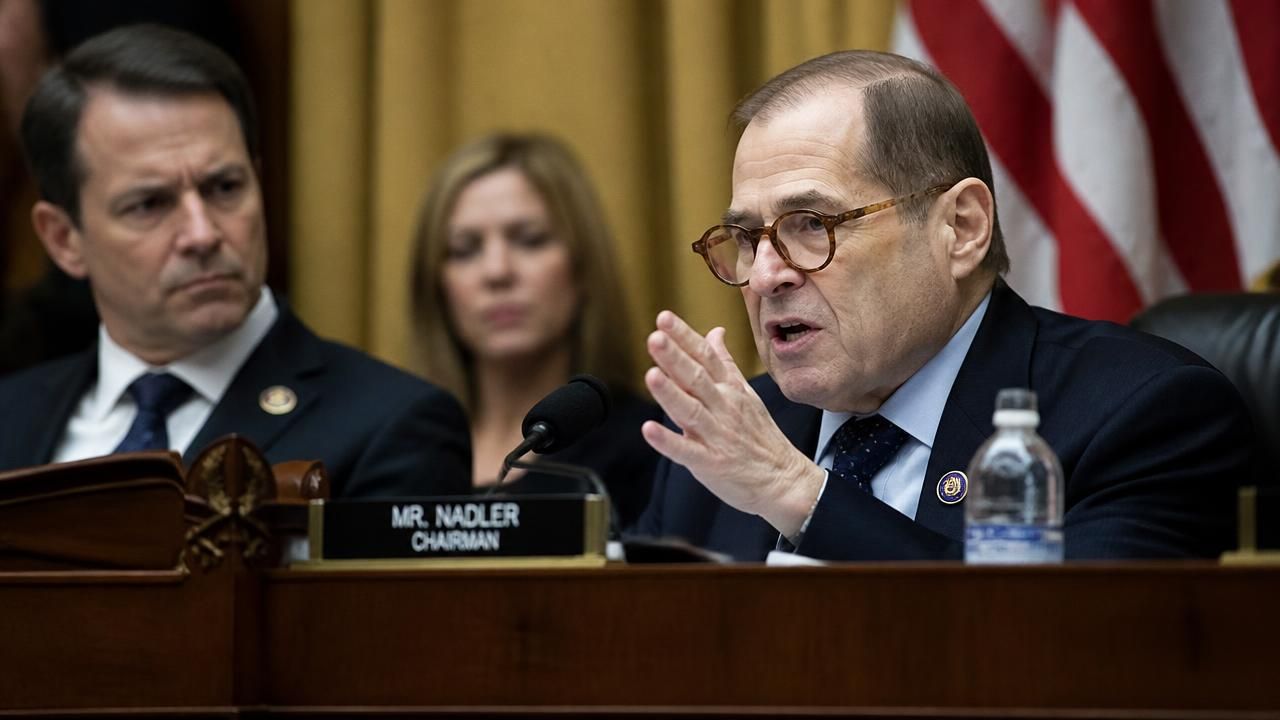
The United States’ military engagement with Iran has entered its sixth month, and the constitutional question at its heart remains unresolved: Does Congress have the power to stop the war? The answer, according to experts and recent events, is theoretically yes—but practically complicated. President Donald Trump, like several predecessors, has found ways to circumvent congressional approval, sparking a fierce debate over war powers and leading to unprecedented calls from some former allies for his removal.
The War Powers Act: A Paper Tiger?
In theory, the War Powers Act of 1973 gives Congress the authority to end unauthorized hostilities. However, as New York Times chief White House correspondent Peter Baker notes, presidents of both parties have consistently interpreted the law loosely. “President Trump is the latest president to find ways to engage in war without congressional approval,” Baker wrote. The act requires the president to notify Congress within 48 hours of committing forces and to withdraw them after 60 days unless Congress authorizes the use of force.
Yet, critics argue that the Trump administration has exploited loopholes, such as framing operations as defensive or limited in scope. The ongoing conflict with Iran, which escalated after a drone strike killed Iranian General Qasem Soleimani in January 2020, has tested these boundaries. Despite Congress’s constitutional power to declare war, military action has proceeded largely without explicit authorization.
Senate Blockade and Bipartisan Frustration
In a dramatic show of congressional pushback, the Senate voted on a resolution to curb Trump’s war powers regarding Iran. However, as Reuters reported, the resolution was ultimately blocked, falling short of the necessary votes amid partisan divisions. The vote highlighted a growing frustration among lawmakers from both parties who feel their constitutional role has been sidelined. Democratic senators, joined by a few Republicans, argued that the president needed explicit approval for a sustained campaign. “Congress must exercise its power to stop this war,” declared a letter published by CentralMaine.com, reflecting the sentiment of many constituents.
A Divided Congress
The Senate’s failure to advance the resolution underscores a deeper gridlock. While House Democrats passed a similar measure in February, the Republican-led Senate has been reluctant to challenge the commander-in-chief. The result is a stalemate that leaves the military engaged without a clear endgame. The MSN headline “Entering sixth month, end of Iran war remains unclear” captures the prevailing uncertainty.
Unlikely Allies: Alex Jones and Former MAGA Loyalists Demand Trump’s Ouster
Perhaps the most striking development is the emergence of calls for impeachment from figures once aligned with the president. Alex Jones, the conspiracy theorist and Infowars host, has publicly broken with Trump over the Iran conflict. “Congress needs to impeach Trump. He is preparing a draft for a massive ground invasion in Iran,” Jones said, as reported by RealClearPolitics. This sentiment was echoed by a former MAGA loyalist who told NJ.com that Trump’s actions are “out of control” and demanded removal from office. AOL similarly covered Jones’s call for Trump’s removal, framing it as a dramatic shift in the political landscape.
“Congress needs to impeach Trump. He is preparing a draft for a massive ground invasion in Iran.” — Alex Jones, Infowars host
While Jones’s influence is contested, his pivot reflects a broader unease among some right-wing activists who fear a protracted war. The possibility of a draft—though officially denied by the Pentagon—has fueled anxiety, particularly among younger voters.
Historical Context: A Pattern of Presidential Overreach
The current impasse is not new. Since the War Powers Act was enacted, presidents have repeatedly stretched its limits. Wikinews interviews with specialists on China, Iran, and Russia—though their full content is behind a paywall—suggest that historical precedents, such as the Vietnam War and the 2003 Iraq invasion, have eroded congressional authority. In a 2008 interview reprinted by Wikinews, Vanity Fair contributing editor Craig Unger warned of neoconservative influences pushing for an attack on Iran before the election. “Bush’s people have been planning this for years,” Unger said.
Today, the Trump administration’s strategy appears to mirror that playbook, using targeted strikes and covert operations to avoid a full-scale congressional debate. Independent presidential candidate Frank Moore, interviewed by Wikinews, argued that the war powers struggle is symptomatic of a broken political system where “power is concentrated in the executive, regardless of who sits in the Oval Office.”
What Comes Next?
The resolution of the Iran war powers dispute will have lasting implications for U.S. foreign policy and the balance of power. Legal experts suggest that the Supreme Court could eventually weigh in, but for now, the ball is in Congress’s court. The Senate’s blocked resolution is a warning shot, but without a veto-proof majority, legislative action remains unlikely.
Meanwhile, the human cost continues. With no end in sight, the war grinds on, and the question of who has the authority to stop it remains as urgent as ever. As one letter to the editor in the CentralMaine.com put it, “Congress must exercise its power to stop this war—not tomorrow, but today.”
The battle over war powers is far from over. Whether Congress can reclaim its constitutional role or whether the presidency will continue to consolidate military authority will define American democracy for years to come.