The bond market is sending a loud and clear message to policymakers: fiscal discipline must be restored, or higher borrowing costs are here to stay. The 30-year Treasury yield surged past the psychologically significant 5% threshold this week for the first time in 19 years, a move that has reignited fears of a 'bond vigilante' uprising and put the Federal Reserve's credibility under the microscope—especially that of Governor Kevin Warsh.
Yield Breakout Sparks Alarm
The 30-year yield's breach of 5% is a pivotal moment. According to analysts at Seeking Alpha, this level could trigger a breakout that sends interest rates significantly higher. 'Watch the 5% level on 30Y yields—the breakout to trigger much higher interest rates,' warned one strategist. The move comes as the Fed holds its benchmark rate steady, but long-term yields continue to climb, reflecting concerns about persistent inflation, swelling fiscal deficits, and geopolitical risks.
Bloomberg's 'Real Yield' program highlighted the market-moving impact, bringing together fixed-income heavyweights from Azimut Group, Columbia Threadneedle Investments, TCW Group, and CreditSights. Their consensus: the bond market is no longer willing to tolerate loose fiscal policy without demanding a higher premium.
Warsh Under Fire
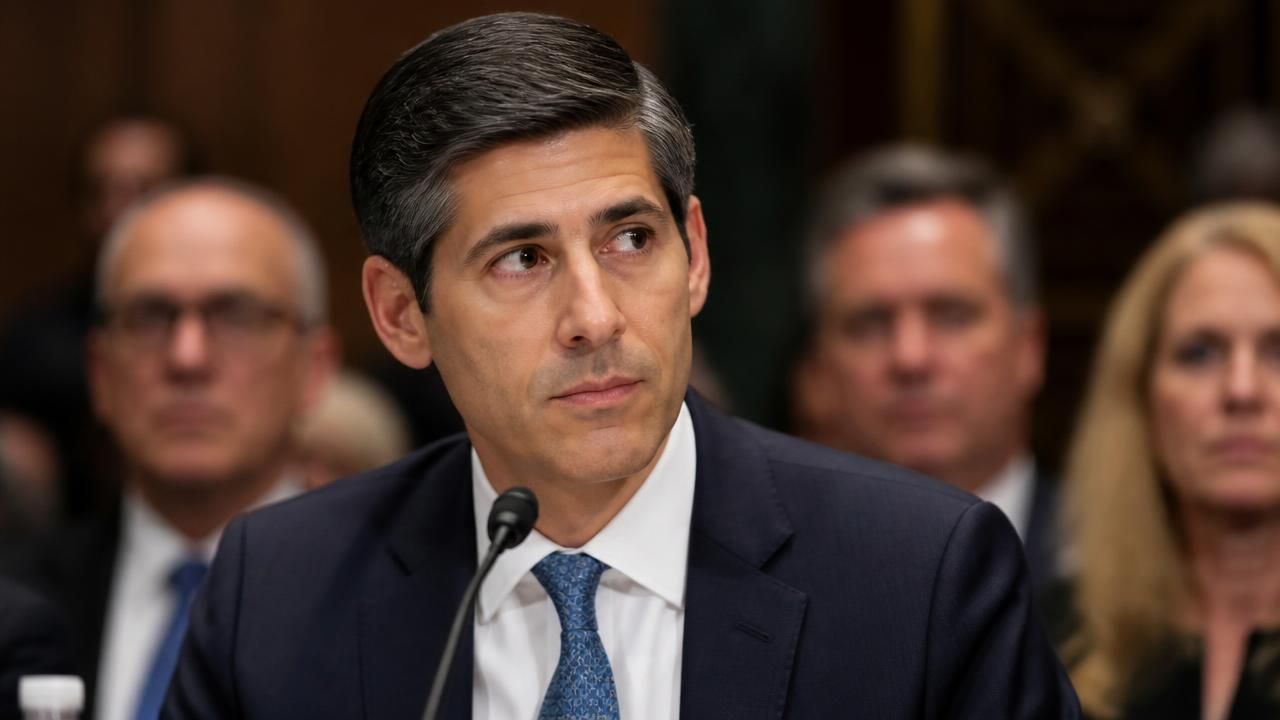
In the crosshairs is Kevin Warsh, a former Fed governor and potential future chair, who now sits on the Federal Reserve Board. Yardeni Research issued a stinging critique, declaring that Warsh 'fails first credibility test' as the 30-year yield topped 5%. The research firm argued that Warsh's recent dovish-sounding comments contradicted the hawkish stance needed to rein in market expectations. 'The bond market puked on him,' exclaimed 247WallSt in a pointed headline, referring to the sell-off that followed Warsh's second Fed meeting.
However, not everyone is ready to judge. The Official Monetary and Financial Institutions Forum (OMFIF) cautioned that it's 'too early to judge Warsh’s position,' urging patience as the new governor finds his footing. The disparity in reactions underscores a deep division among market participants about the Fed's direction under potential new leadership.
The Return of the Bond Vigilantes
The concept of 'bond vigilantes'—investors who punish profligate governments by selling their bonds, forcing yields higher—has made a comeback. 'The US Dollar: from exceptional to average?' questioned Bond Vigilantes, a blog tracking these dynamics. The dollar's recent weakness relative to its pandemic-era highs signals that global investors are reassessing US exceptionalism. Higher yields on long-term Treasuries are attracting capital, but they also risk crowding out private investment and straining the housing market.
Earl Cotten, writing on Medium, tied the bond market's warning to geopolitical hotspots, notably Iran, arguing that the flight to safety is undermining risk appetite. 'The bond market is flashing a warning over Iran, and it’s coming for your wallet,' he wrote, linking higher yields to increased borrowing costs for consumers and businesses alike.
'The bond market is no longer willing to tolerate loose fiscal policy without demanding a higher premium.'
Historical Context and Implications
The last time 30-year yields touched 5% was in 2007, just before the global financial crisis. While today's economy is different—growth remains resilient and unemployment low—the parallels are uncomfortable. Higher yields reflect not just hawkish Fed expectations but also a term premium that investors demand for bearing long-term risk.
Key factors driving the sell-off include:
- Fiscal deficits: The US government is expected to run a $1.9 trillion deficit in 2025, according to the Congressional Budget Office.
- Sticky inflation: Core PCE inflation remains above the Fed's 2% target, reducing the case for rate cuts.
- Global supply chains: Ongoing disruptions from Middle East tensions and trade fragmentation add to uncertainty.
For the Fed, the yield surge complicates its dual mandate of price stability and maximum employment. While higher yields can help tighten financial conditions without additional rate hikes, they also risk causing a credit crunch. 'We're watching the 30-year yield closely,' said Ed Al-Hussainy of Columbia Threadneedle Investments on Bloomberg. 'It's a critical signal for the entire fixed-income market.'
What Comes Next?
The coming weeks will be crucial. If yields continue to rise, the Fed may be forced to acknowledge that its current stance is insufficiently restrictive—a prospect that could reignite volatility. For Kevin Warsh, rebuilding credibility will require consistent, hawkish communication. 'It's too early to judge,' OMFIF insists, but market participants have a notoriously short memory.
One thing is clear: the bond vigilantes have sharpened their pencils and are ready to grade the next fiscal and monetary policy moves. For investors, the 5% level on 30-year yields is not just a number—it's a warning shot.