Federal Reserve Chair Kevin M. Warsh is confronting a turbulent start to his tenure as financial markets and fellow policymakers question his strategy for reining in inflation. With consumer prices still running hot and bond yields climbing to multiyear highs, the central bank’s credibility is being tested just weeks after Warsh took the helm.
Bond Market Sends a Message
Market participants are increasingly vocal about their dissatisfaction with the pace of tightening. Yields on 10-year U.S. Treasury notes have surged to levels not seen since early 2026, driven by expectations that the Fed must act more aggressively. As one analyst noted, “The bond market is essentially asking Warsh: What are you doing about inflation?” The yield spike has rattled stocks, with the S&P 500 posting sharp losses as traders price in a 30% probability of a rate hike at the next meeting.
Internal Fed Divisions
The challenge is compounded by a split within the Federal Open Market Committee. Minutes from the June meeting, released this week, reveal that officials were sharply divided over the direction of interest rates. Some members favored an immediate hike to quell price pressures, while others cautioned against overtightening given signs of slowing economic growth. “Warsh must navigate a committee that is anything but unified,” a former Fed economist said. “His leadership will be tested.”
Inflation Data Heats Up
The urgency stems from fresh inflation figures that showed the headline consumer price index accelerating to 6.0% year-over-year in June, well above the Fed’s 2% target. Core inflation, excluding food and energy, also rose, complicating the central bank’s task. The data pushed Treasury yields to 2026 highs and triggered a sell-off in risk assets, including a plunge in Bitcoin below $80,000. “The inflation shock is real,” said a market strategist. “Warsh’s credibility is on the line.”
A Hawkish Shift Underway
Despite earlier hesitancy, Warsh has signaled a more hawkish stance in recent speeches. He has emphasized that controlling inflation is his “top priority,” a phrase that analysts say marks a departure from his predecessor’s more dovish language. However, markets remain skeptical. “Warsh’s words are not enough; we need action,” a bond trader told Reuters. “The longer he waits, the more the market will force his hand.”
Global Central Bank Context
The Fed is not alone in its tightening dilemma. Major central banks from the European Central Bank to the Bank of Japan are also steering a cautious hiking path, balancing inflation risks against fragile economies. But the U.S. remains the epicenter of global financial markets, and any misstep by Warsh could have spillover effects worldwide. “The world is watching the Fed,” noted a former IMF official. “A credibility shock would be damaging.”
What’s Next for Warsh
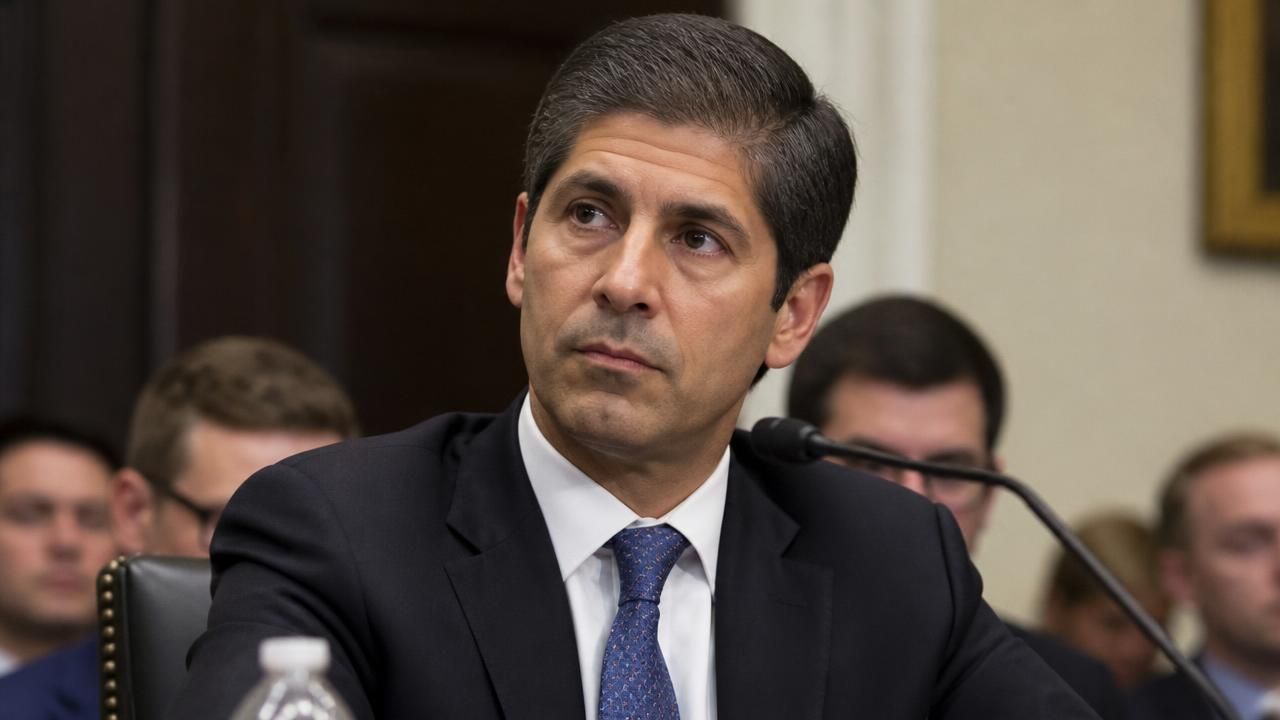
Investors are now focused on Warsh’s upcoming testimony before Congress, where he will face questions from lawmakers about his policy approach. The event, combined with fresh bank earnings and inflation data later this week, could set the tone for markets into the second half of 2026. Some analysts argue that Warsh can tame inflation without raising rates, perhaps through jawboning or adjusting reserve requirements, but the bond market seems to demand more concrete measures.
“Warsh’s first few months have been a trial by fire,” said a senior economist at a major investment bank. “If he wants to restore confidence, he needs to demonstrate he has a credible plan—and the will to execute it.”
Conclusion
As Kevin Warsh prepares for his second FOMC meeting as chair, the stakes could not be higher. With inflation stubbornly high, yields soaring, and internal and external pressures mounting, the new Fed chief must navigate a delicate balance between fighting inflation and supporting growth. The coming weeks will reveal whether his approach can calm markets—or whether the credibility shock feared by some becomes a reality.