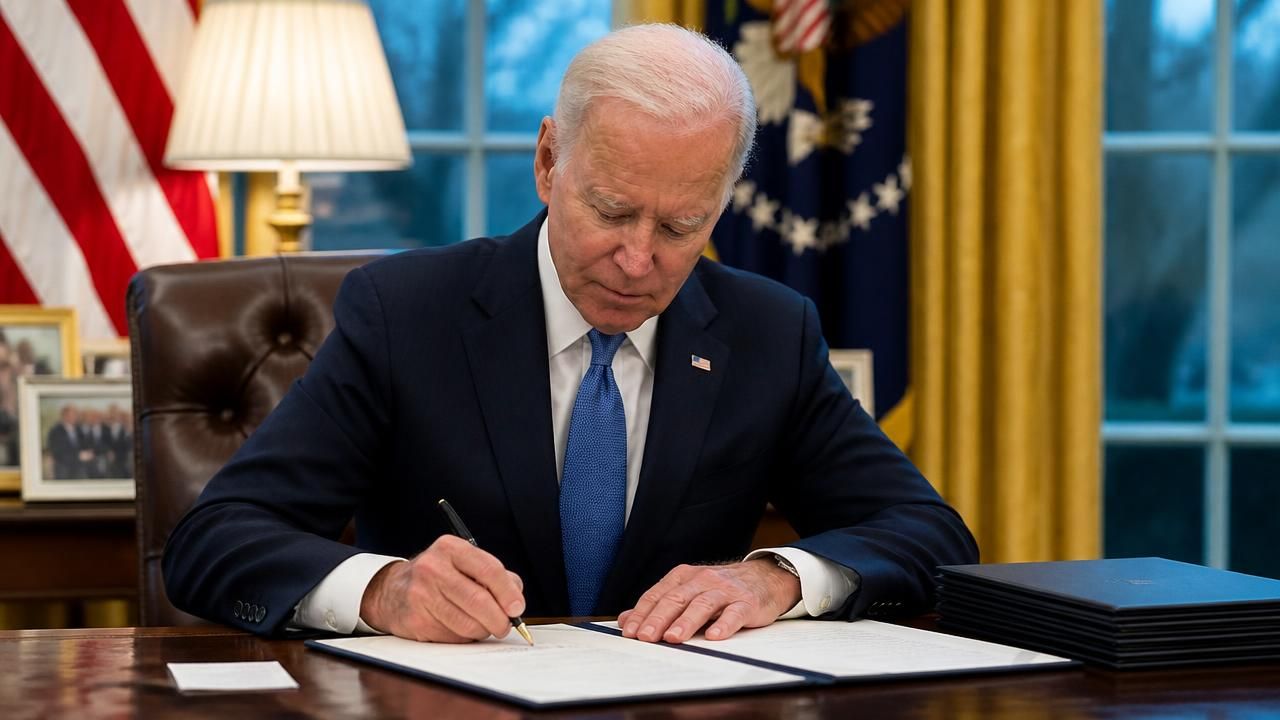
In a dramatic use of executive power during his last hours in office, President Joe Biden issued a series of preemptive pardons to key individuals who were widely seen as potential targets of political retribution under the incoming Trump administration. The pardons, announced on January 20, 2025, cover Dr. Anthony Fauci, former top infectious disease official; General Mark Milley, former Chairman of the Joint Chiefs of Staff; and members of the House select committee that investigated the January 6 Capitol attack, including former Representatives Liz Cheney and Adam Kinzinger.
The move, reported by multiple outlets including The New York Times, BBC, and Politico, was framed by the White House as a necessary step to protect individuals from what Biden called 'revenge' by the incoming president. However, the pardons have immediately sparked a new legal and political controversy, particularly regarding their impact on Fifth Amendment rights and ongoing congressional investigations.
The Scope of the Pardons
Biden's pardons are preemptive, meaning they cover any potential federal offenses that may have occurred before the date of the pardon. This includes actions related to Dr. Fauci's handling of the COVID-19 pandemic, General Milley's communications with Chinese counterparts during the final months of the Trump administration, and the Jan. 6 committee's investigation work.
According to a statement from the White House obtained by USA Today, the president believed these individuals had acted in the public interest and should not 'face baseless political persecution' from the new administration. The pardons also extended to Biden's siblings and other family members, as reported by BBC.
Notably, the pardons do not cover any offenses committed after the pardon was issued. This nuance has become a central point of debate, as highlighted by The New York Times in its initial coverage.
Fifth Amendment Troubles
Republican senators and legal analysts immediately seized on the pardons, arguing that they could undermine future testimony from Dr. Fauci and others. Senator Rand Paul (R-KY) has already begun moving to hold Fauci in contempt for invoking the Fifth Amendment more than 100 times during a recent deposition, as reported by WFIN. The pardon, some GOP lawmakers argue, removes Fauci's ability to refuse to testify on Fifth Amendment grounds because he can no longer be prosecuted for past acts.
However, legal experts consulted by The Washington Examiner and Vox counter that the Fifth Amendment protects against compelled self-incrimination regardless of the existence of a pardon. 'A pardon does not erase the threat of perjury or obstruction if he lies,' said one constitutional scholar. 'But if he has already been pardoned for past conduct, he can no longer claim the privilege for that specific conduct.' This creates a Catch-22: the pardon may force Fauci to testify, but his testimony could still lead to charges for new offenses, such as false statements.
"Dr. Fauci's Biden autopen pardon won't spare him from prosecution for his Fifth Amendment spectacle," warned Sen. Tom Cotton (R-AR) in a statement reported by the New York Post.
Political Reactions
The pardons have drawn starkly partisan reactions. Democrats and critics of Donald Trump praised the move as a necessary shield against authoritarian retaliation. 'President Biden is protecting the rule of law and those who upheld their oaths,' said a senior Democratic aide quoted by Los Angeles Times.
Republicans, on the other hand, condemned the pardons as an admission of wrongdoing. 'If these individuals needed pardons, they must have committed crimes,' argued Rep. Jim Jordan (R-OH) in an interview with The Whistler. Some GOP senators, as reported by Punchng, are demanding a special counsel probe into Dr. Fauci and others, alleging that the pardons themselves are an attempt to cover up misconduct.
International outlets like ENCA and Northwest Arkansas Democrat-Gazette covered the story as a sign of deep political polarization in the United States, with the outgoing president using his constitutional power to protect allies from the incoming administration.
Historical Context
Preemptive pardons are rare but not unprecedented. President Gerald Ford's pardon of Richard Nixon and President George H.W. Bush's pardons of Iran-Contra figures are notable examples. However, the scope of Biden's action—covering multiple individuals across different investigations—is unusually broad.
Legal scholars note that the pardons do not apply to state crimes or civil lawsuits, meaning Fauci and others could still face legal exposure at the state level. Furthermore, the pardons cannot prevent Congress from pursuing contempt proceedings, as Senator Paul has indicated.
What Happens Next?
The immediate practical effect of the pardons is uncertain. Dr. Fauci has already been subpoenaed by the House Select Subcommittee on the Coronavirus Pandemic, and his invocation of the Fifth Amendment has stalled that investigation. The pardon may now compel him to testify, but it also opens him up to potential perjury charges if his testimony contradicts other evidence.
Meanwhile, the Jan. 6 committee members and staff may be protected from federal prosecution, but they could still be investigated by the Justice Department under the new administration for other alleged offenses. General Milley, who has faced criticism for his calls to China during the final weeks of the Trump presidency, may also face new scrutiny.
As the political and legal battles unfold, the Biden pardons are likely to remain a flashpoint in the ongoing struggle between the executive and legislative branches, and between the outgoing and incoming administrations.