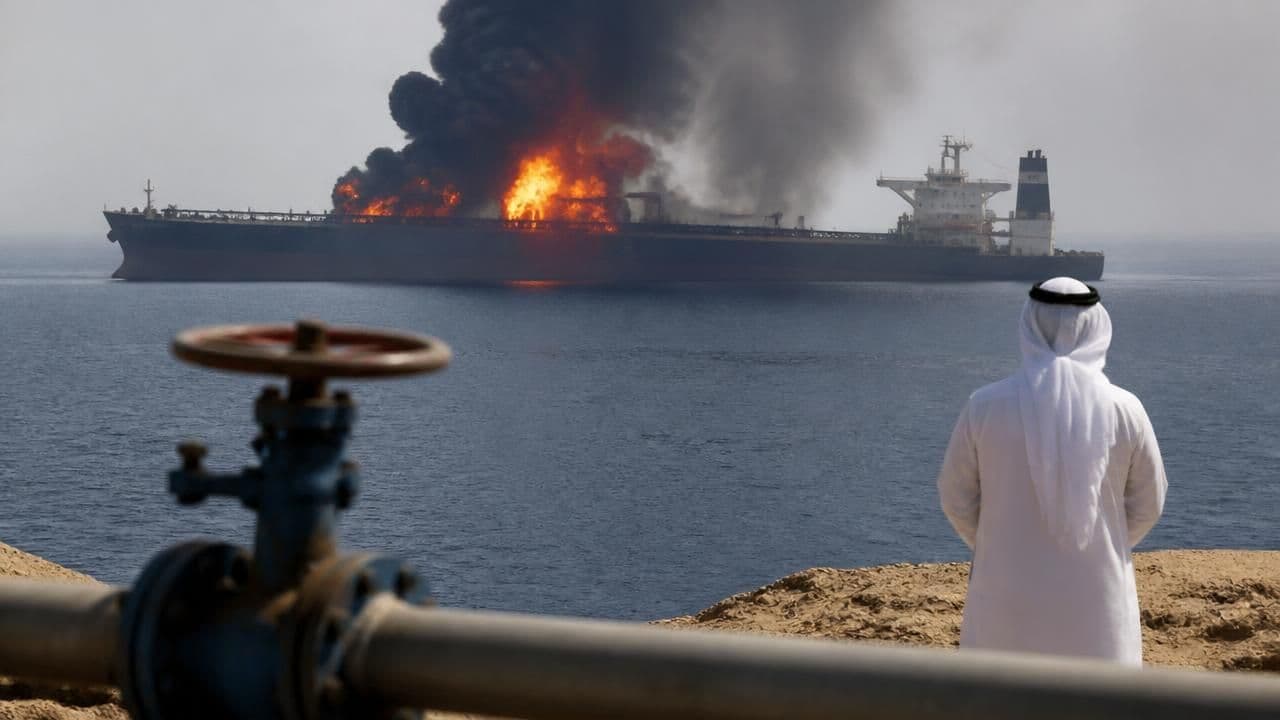
Oil prices have been on a rollercoaster ride this week, oscillating between sharp gains and steep losses as a complex tapestry of geopolitical risks, diplomatic maneuvers, and supply-side dynamics grips global energy markets. A fresh round of fighting in the Middle East—including a reported strike on a crude tanker—sent benchmark crude surging on Monday, before hopes for a US-Iran ceasefire triggered a sharp reversal. Meanwhile, President Donald Trump's threats of war escalation and a looming deadline on Russian oil sanctions have added further volatility, leaving traders scrambling to price in multiple conflicting narratives.
Tanker Attack Ignites Fears of Broader Conflict
Crude oil futures jumped more than 3% on July 29 after a crude tanker was hit in the latest flare-up of hostilities in the Middle East, according to Bloomberg. The incident, which occurred in the Persian Gulf, reignited fears of supply disruptions in one of the world's most critical chokepoints. The Strait of Hormuz, through which about 20% of global oil flows, has been a flashpoint in recent months, with Iran repeatedly threatening to block passage in retaliation for US sanctions. "Any direct hit on vessels raises the specter of a broader conflict that could take millions of barrels off the market," said a senior oil analyst at a major trading house, speaking on condition of anonymity.
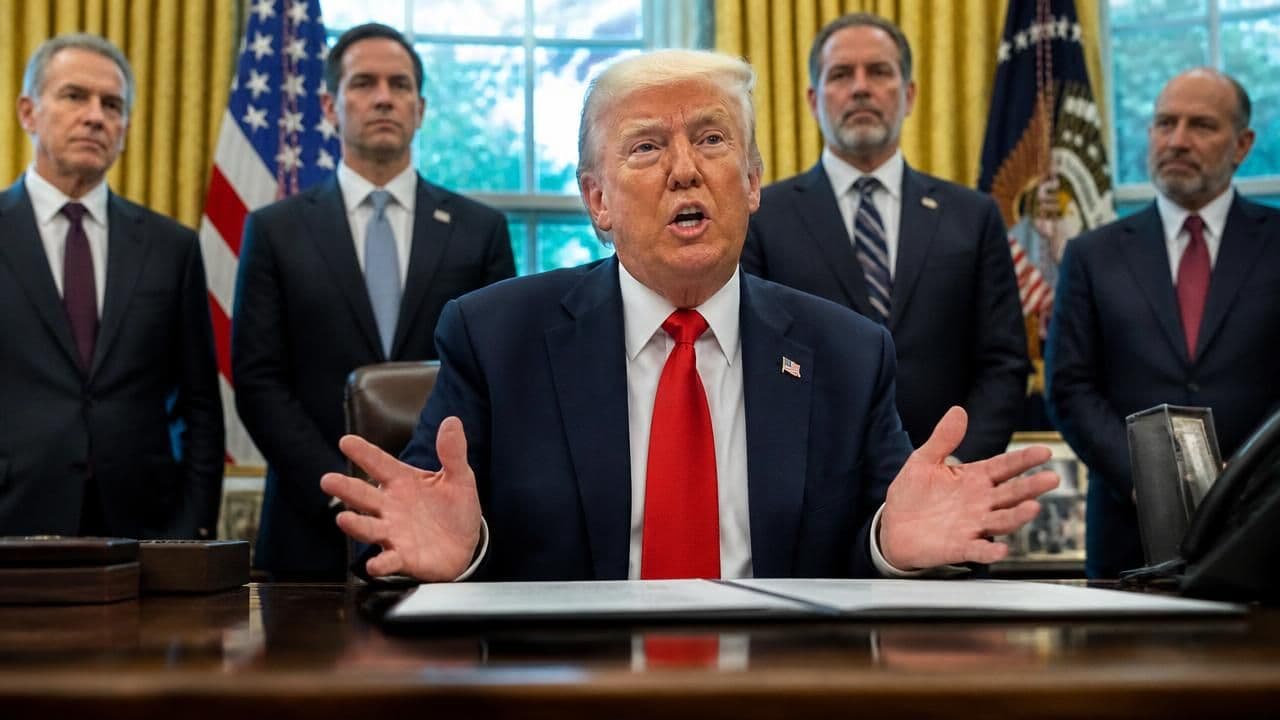
The attack came just days after reports that the Trump administration was considering military options against Iran, a move that could send oil prices to four-year highs, as noted by Bloomberg in a separate report. Trump himself fanned the flames, warning of war escalation if a nuclear deal is not reached soon. "We're not looking for war, but if they don't step up, we'll have no choice," the president told reporters at the White House, echoing earlier threats that have rattled markets.
Peace Hopes Spark Sudden Drops
Yet within hours, oil prices reversed course as diplomatic sources hinted at a possible breakthrough. Forex.com reported that crude plummeted 7% on rumors of a US-Iran pause in hostilities, with analysts debating whether the slide would reverse. "The market is hypersensitive to any whiff of de-escalation," said a commodities strategist at a European bank. "Traders are pricing in a binary outcome: either war or peace, with little middle ground."
Barchart.com also noted that crude finished sharply lower on peace hopes, though its report was obscured by a 403 error, underscoring the chaotic nature of information flow. The seesawing prices have left many investors on edge, with some drawing comparisons to historical oil shocks. A Seeking Alpha contributor warned that the last time oil prices spiked, it took just 60 days for the stock market to crash, adding that "the clock is ticking now."
Russia Sanctions Loom Large
Adding to the turmoil, Trump's aggressive stance toward Russia has created a new front in the oil market. Reuters reported that the president's "short fuse" could set off a Russian oil sanctions timebomb, threatening to disrupt flows from the world's second-largest exporter. Trump recently imposed a deadline for a peace deal with Ukraine, threatening secondary sanctions on buyers of Russian crude if Moscow does not comply. "This is a game-changer," said an energy policy expert at a Washington think tank. "It could remove a significant chunk of global supply at a time when OPEC+ is already struggling to balance the market."
Oil prices rallied on the news, as traders anticipated tighter supply. A separate Reuters piece noted that the rally was also fueled by optimism over US-China trade talks, which have provided a tailwind for risk assets. However, the optimism remains fragile, with the US insisting that Trump has the final say on any tariff rollbacks, as reported by Reuters.
OPEC+ and Demand Uncertainty
On the supply side, OPEC+ producers are grappling with their own dilemmas. Morgan Stanley warned of glut risks, predicting that the market could be oversupplied by 1 million barrels per day in the second half of 2026, even as geopolitical risks persist. Meanwhile, Russia's compliance with production cuts remains a question mark, with Bloomberg noting that oil prices steadied after a three-day drop as traders focused on Russian output and inventory data.
The International Energy Agency (IEA) has revised down its demand forecast, citing slowing economic growth and the impact of higher interest rates. Central banks, including the Federal Reserve, are closely watching oil prices as they weigh their next moves. Interactive Crypto reported that rising inflation and oil prices are fueling new Fed rate hike bets ahead of the July 29 decision, with some analysts now pricing in a quarter-point increase.
Broader Economic Ripples
The oil price shock is reverberating across global markets. The British pound steadied as cooler UK CPI data offset the oil surge, according to TMGM, while gold prices remained elevated as investors sought safe havens. In Pakistan, the government updated petrol prices for July 29, reflecting the pass-through of global volatility to domestic consumers. Meanwhile, Kiplinger highlighted key economic data releases for the week, including US GDP and jobs reports, which could further influence sentiment.
As the week progresses, all eyes are on the Federal Reserve's policy decision on Wednesday. Deloitte's weekly global economic update noted that central banks are walking a tightrope between inflation control and growth support. The bond market is getting oversold, with Fed funds futures indicating that the FOMC will stand pat, but oil prices could upend those expectations.
What Comes Next?
With no clear resolution in sight for the Middle East, the Russia-Ukraine conflict, or OPEC+ strategy, oil prices are likely to remain volatile. Analysts are divided: some see a return to $100 per barrel if tensions escalate, while others warn of a sharp correction if diplomatic efforts succeed. "The market is pricing in a geopolitical risk premium that could evaporate overnight, but so far, the risks are real," said a senior energy strategist at a global investment bank.
For consumers and businesses, the stakes are high. Higher oil prices could delay the Fed's rate cuts, slow economic growth, and reignite inflation. Conversely, a collapse in prices could provide relief but destabilize producer economies. As events unfold, traders, policymakers, and the public will be watching the headlines with bated breath.