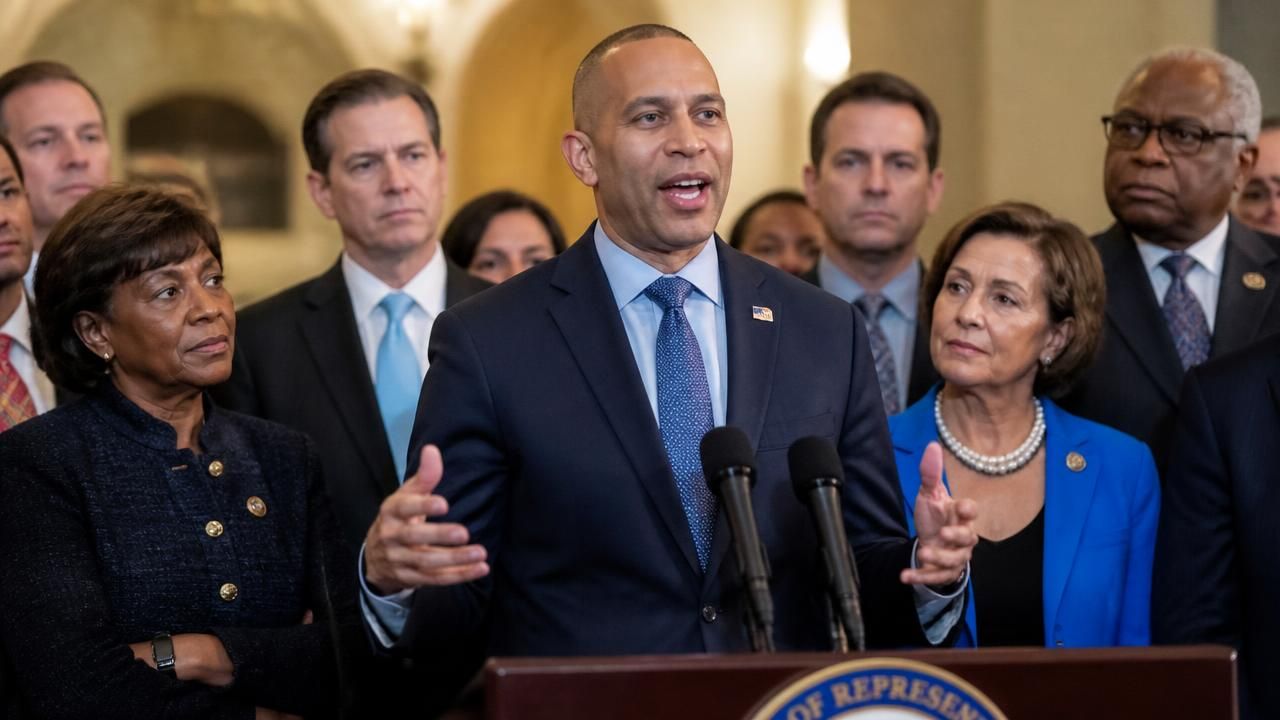
The Democratic Party is placing a heavy bet on affordability as its central message heading into the midterm elections, a strategy that has shown early signs of success in recent contests from Georgia to New York. But as the party coalesces around kitchen-table economics, internal tensions are simmering over whether this focus should come at the expense of other core issues like democracy, climate change, and progressive reform.
A Message That Resonates
In the wake of several high-profile special election wins—including a surprisingly close race in deep-red Tennessee and a decisive victory in Georgia—Democratic leaders have seized on affordability as the key to winning back swing voters. House Minority Leader Hakeem Jeffries has made clear that the party’s legislative agenda will prioritize lowering costs for families. The New Democrat Coalition recently released an “Affordability Agenda” aimed at reducing the cost of living, from housing to healthcare to groceries.
Rep. Abigail Spanberger, who delivered the Democratic response to President Trump’s address, centered her remarks on economic anxiety, telling voters that “Democrats are fighting for your pocketbook.” According to multiple reports, Spanberger’s speech framed the 2026 elections as a referendum on Trump’s management of the economy, a tactic that appears to be gaining traction.
“Democrats are focused on affordability. But some party leaders say they also need to talk about democracy, especially if President Trump continues making unfounded claims about election fraud.” – NPR Politics
Yet even as the affordability message drives Democratic momentum, a parallel debate is unfolding within the party. Some strategists and elected officials worry that abandoning democracy messaging—especially in the face of ongoing threats to voting rights and electoral integrity—could be a costly mistake. A recent New York Times analysis noted that while affordability polls well, many Democratic voters still rank protecting democracy as their top concern.
Regional Tests and Divergent Paths
The effectiveness of the strategy is being tested in different battlegrounds. In Virginia, former Transportation Secretary Pete Buttigieg argued that Democrats can win even without favorable redistricting maps by hammering healthcare and affordability. In Pennsylvania, state Senate Democrats rallied around cost-of-living issues, accusing Republicans of focusing on “culture wars” instead.
But internal friction is visible. In Florida, state Rep. Fentrice Driskell publicly roasted GOP infighting, but Democrats there also struggle to unify behind a single message. Meanwhile, New York Governor Kathy Hochul’s shift to an “all of the above” energy policy has angered environmentalists, who fear the party is backsliding on climate promises in pursuit of economic appeal.
The Progressive Challenge
Perhaps the biggest wild card is the rise of progressive candidates like Zohran Mamdani, whose stunning upset in the New York City mayoral primary—unseating incumbent Eric Adams—has sent ripples through the party. Mamdani ran on a platform of affordable housing, universal healthcare, and taxing the wealthy, proving that a bold progressive message can win in a major city. However, national Democrats are wary: Republicans have already seized on Mamdani as a symbol of the party’s far-left fringe, with the GOP working to make him “the face of the Democratic Party” in attack ads.
National polls show that voters remain split on whether Democrats share their priorities. A 2025 New York Times poll found that a majority of Americans believe the Democratic Party does not understand their concerns. The affordability pivot is designed to address that, but progressive gains could alienate moderates in critical districts.
Republicans Wrestle with the Issue Too
President Trump and his allies have been forced to respond. According to Politico, top Trump adviser said the president will now focus on affordability going forward, while an opinion piece in USA Today accused Trump of lying about his own record on the issue. In a sign of GOP anxiety, House Republicans are struggling to craft a housing affordability message that goes beyond “gas and groceries.”
Conclusion: A Winning Formula or a Temporary Fix?
The Democratic push on affordability has produced tangible electoral wins and revived party morale. But as the 2026 midterms approach, the party must navigate internal divisions over messaging, the influence of its progressive wing, and the challenge of a Republican Party eager to co-opt the same economic language. Whether affordability alone can sustain a broad coalition—or whether democracy, climate, and other issues will demand equal billing—remains the central question for a party still searching for its footing.