The frozen yogurt industry is experiencing a renaissance, as major players like TCBY and Bruster's Real Ice Cream double down on expansion and rebranding efforts. With consumers increasingly seeking healthier dessert options, the sector is seeing renewed interest from both investors and franchisees. This resurgence spans from TCBY's corporate headquarters in Bloomington, Indiana, to Bruster's newest franchise in Savannah, Georgia, and even the health-conscious enclave of Boulder, Colorado.
TCBY's Strategic Rebranding
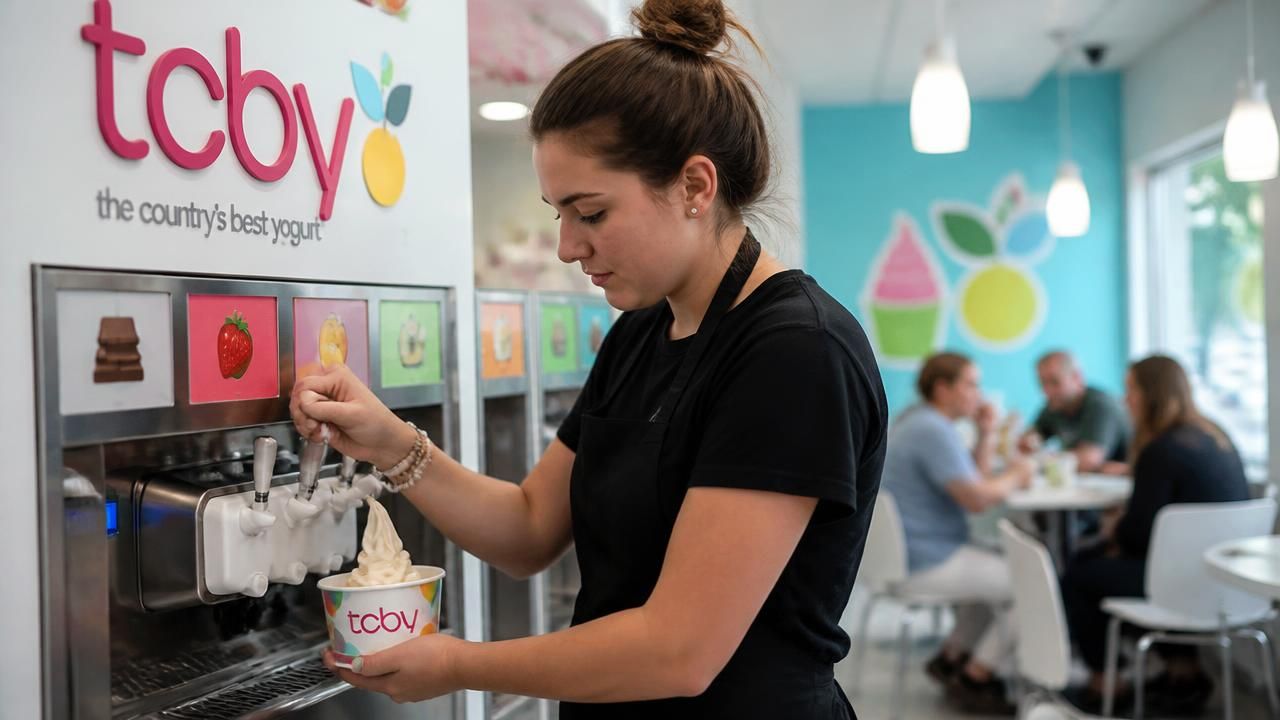
TCBY, the once-ubiquitous frozen yogurt chain that saw a decline in the 2000s, is now turning up the heat on the segment with a comprehensive rebranding initiative. According to Richard Screnci, TCBY's Executive Director, the company is positioning itself at the intersection of health and indulgence. In an interview on Bloomberg's 'The Close,' Screnci stated:
There is a place for consumers to watch their health and enjoy eating sweet treats at the same time.TCBY's strategy includes modernizing store designs, updating its menu with probiotic-rich and low-sugar options, and targeting both domestic and international markets for expansion. The company is leveraging its heritage as a pioneer in the frozen yogurt category while appealing to a new generation of health-conscious consumers.
Growth Opportunities
Screnci highlighted several growth avenues:
- Domestic expansion: Opening new locations in underserved markets and suburban areas.
- International franchising: Tapping into demand in Asia and the Middle East, where frozen yogurt remains popular.
- Product innovation: Introducing new flavors and toppings that align with dietary trends like keto and vegan.
Bruster's Real Ice Cream: A Local Touch
While TCBY focuses on frozen yogurt, Bruster's Real Ice Cream is also making moves. The chain's CEO recently visited a franchise in Savannah, Georgia, underscoring the importance of community engagement. Bruster's, known for its premium ice cream made fresh daily, is expanding its footprint in the Southeast. The Savannah visit was part of a broader tour to support franchisees and ensure brand consistency. Bruster's emphasizes its commitment to local sourcing and customer experience, which resonates in markets seeking authentic, high-quality treats.
Boulder's Frozen Yogurt Culture
In Boulder, Colorado, frozen yogurt is experiencing a notable revival. Local shops are reporting increased sales, driven by the city's health-conscious demographics. The Boulder Daily Camera notes that the resurgence mirrors a national trend, with consumers gravitating toward customizable, portion-controlled desserts. Boulder's independent frozen yogurt stores compete with national chains by offering organic ingredients and unique flavor rotations. This local scene provides a microcosm of the broader industry shift: consumers want treats that align with their wellness goals without sacrificing taste.
Market Implications and Expert Views
The frozen yogurt comeback has significant implications for the broader dessert industry. Analysts point to several factors driving the trend:
- Health and wellness: Consumers are seeking lower-calorie, probiotic-rich alternatives to ice cream.
- Customization: Self-serve formats allow for portion control and ingredient choice.
- Nostalgia: Millennials and Gen Z are rediscovering brands from their childhood.
What's Next?
Looking ahead, both TCBY and Bruster's plan to expand their footprints. TCBY is eyeing international markets, while Bruster's continues to strengthen its U.S. franchise network. The frozen yogurt segment is poised for steady growth, provided chains can adapt to evolving consumer preferences. With health-conscious eating becoming a long-term lifestyle shift, the sweet treat sector may never be the same.