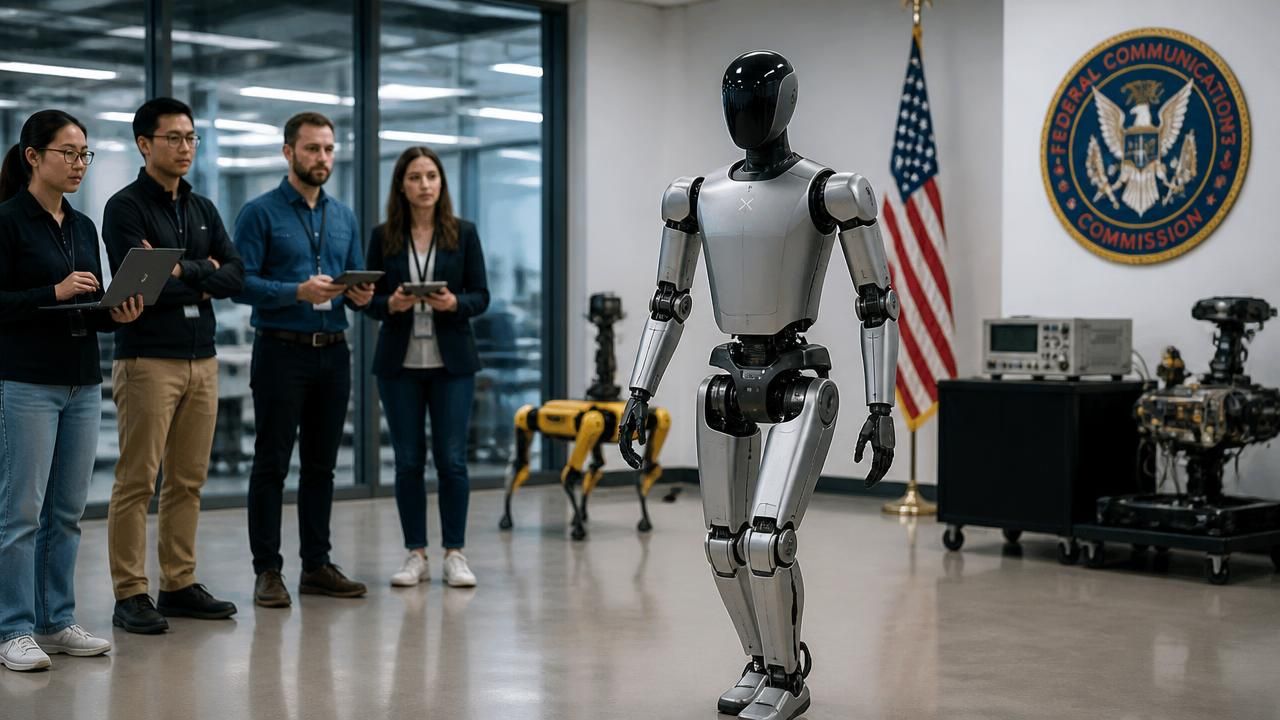
In a significant escalation of the US-China technology conflict, the Federal Communications Commission (FCC) on Tuesday issued a sweeping ban on the import of "advanced robotic devices" and power inverters manufactured abroad, a move widely seen as targeting Chinese robotics firms such as Unitree. The ban, first reported by Reuters and confirmed by multiple outlets, includes mobile robots—both humanoid and quadruped models—and extends to any robot capable of autonomous movement, though the FCC stated it is not limited to walking robots.
The decision marks the latest front in Washington's campaign to limit Chinese influence in emerging technologies, particularly artificial intelligence and robotics. Chinese companies like Unitree, known for their viral videos of humanoid robots dancing to Michael Jackson or engaging in mock MMA fights, will be among the most affected. "The US government is sending a clear signal: foreign-made robots that could be used for surveillance, industrial espionage, or military applications will not be allowed into the American market," said a senior administration official speaking on condition of anonymity.
The Scope of the Ban
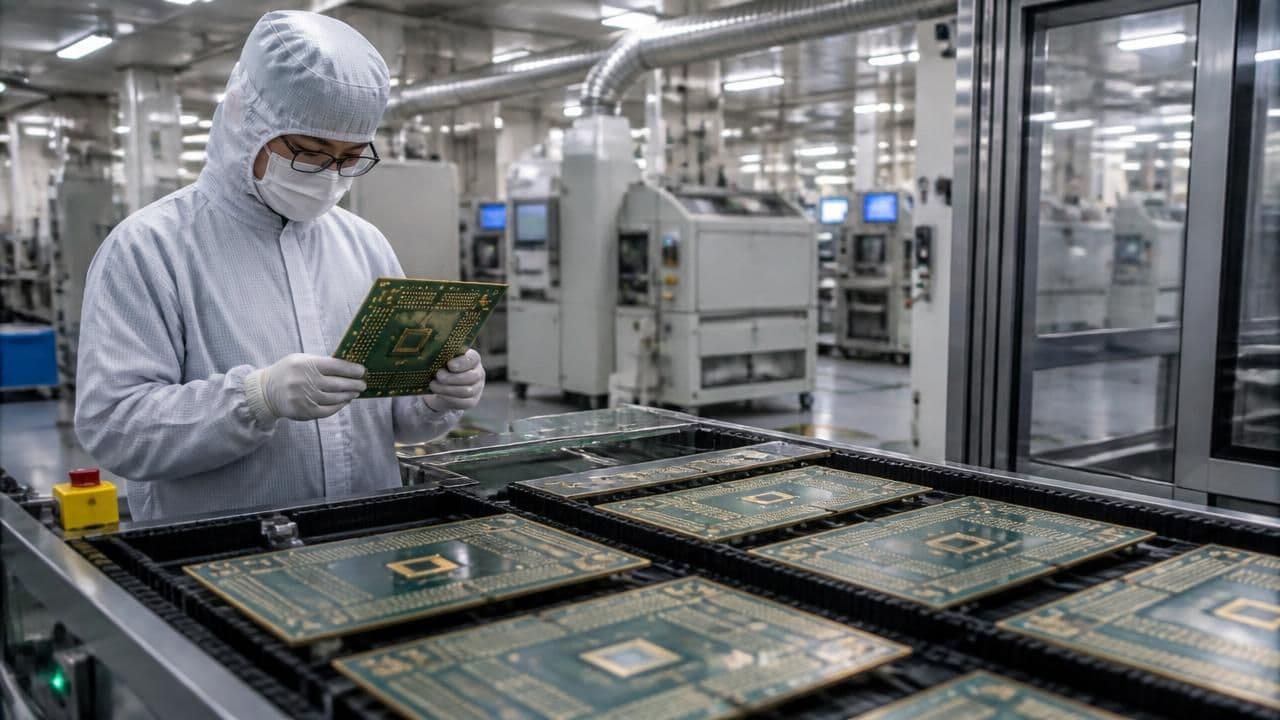
The FCC's announcement specifies that the import restrictions apply to "advanced robotic devices" that incorporate mobile capabilities, whether wheeled, legged, or tracked. Power inverters, critical components in energy systems and robotics, are also covered. While the FCC insists the measure is not country-specific, it acknowledges that China is the primary source of such devices. The ban aligns with earlier actions against Chinese drones, including DJI, which were also barred from federal use under the 2024 Countering CCP Drones Act.
According to a Reuters exclusive, the Trump administration intends to protect the US AI buildout by preventing Chinese robots from collecting data or integrating with American networks. "This is about safeguarding the data and infrastructure that underpin our AI future," a White House aide told Reuters. The ban has been framed as a national security imperative, with concerns that Chinese-made robots could be used for espionage or as vectors for cyberattacks.
Industry and Political Reactions
Reactions have been swift. The Verge noted that the ban will have a "major impact on China" as it ramps up humanoid robot production. Politico described the move as part of a broader Trump administration crackdown on Chinese technology, while PCMag highlighted that the FCC's next target is foreign-made humanoid robots and power inverters. The South China Morning Post reported that the ban is the "latest tech crackdown" in a simmering trade war. However, some critics argue that the ban may stifle innovation and raise costs for US companies that rely on Chinese components. "Banning entire categories of technology will only hurt American consumers and businesses," said a spokesperson for the Robotics Industries Association.
Congress has also shown interest. The GUARD Act, introduced by Representatives Moolenaar and Obernolte, specifically targets robot imports and mirrors the FCC's actions. The Senate has considered a limited federal procurement ban, as reported by the Foundation for Defense of Democracies. Meanwhile, some US airlines have begun banning humanoid robots from flights, citing safety concerns as reported by MSN.
Broader Implications: The Rise of Autonomous Weapons
The ban has reignited a global debate on autonomous systems. While the FCC's order focuses on commercial robots, it comes amid growing international calls for a ban on "killer robots"—fully autonomous weapons that can select and engage targets without human intervention. Scientific American and The Guardian have recently reported on the urgency of such a ban, and the US position remains ambiguous. The Biden administration had previously committed to pursuing international agreements on autonomous weapons, but the Trump administration has shifted toward unilateral restrictions on foreign-made robots, which may not address the broader ethical concerns.
France 24 reported on a French startup unveiling a non-humanoid robot, highlighting Europe's push for alternative designs that avoid the geopolitical taint of Chinese components. Meanwhile, the US military is exploring its own humanoid robots, creating a potential conflict: domestic robots may be permitted while foreign ones are barred. This has led to accusations of hypocrisy, as the US continues to develop its own autonomous systems.
Data and Expert Views
According to the International Federation of Robotics, China is the world's largest market for industrial robots, but its humanoid sector is nascent yet rapidly growing—expected to reach $15 billion by 2030. The ban could disrupt supply chains for American companies using Chinese robots for research or manufacturing. "This is a preemptive strike," said Dr. Emily Carter, a robotics expert at UCLA. "The US is trying to get ahead of a technology it sees as a threat to national security, but it may also cede ground to other nations in robotics development."
Historical context: the US has previously banned Chinese telecommunications equipment under similar security concerns, notably Huawei and ZTE. The robot ban extends this logic to physical hardware that could be used in sensitive facilities. "Robots are the new smartphones," noted a analyst at the Center for Strategic and International Studies. "If you control the hardware, you control the data and the AI that runs on it."
What's Next?
The FCC's rule goes into effect immediately, but enforcement and implementation will take months. Companies like Unitree can still apply for waivers, but the bar is high. The Trump administration has signaled that more bans on Chinese technology may follow, including on AI chips and software. Meanwhile, China has vowed to retaliate, potentially targeting US agricultural exports or rare earth minerals.
The ban also dovetails with ongoing efforts to regulate lethal autonomous weapons. A coalition of scientists and NGOs, as reported by The Guardian and USA Today, is pushing for a preemptive ban before robotic warfare becomes a reality. The FCC's move, while aimed at commercial devices, sets a precedent that governments can restrict entire categories of robotics—a precedent that could be applied to military robots in the future.
In the end, the FCC's ban is a dramatic step in a technology war that shows no signs of cooling. As The Independent noted, the ban is designed to "protect US AI buildout," but it also risks deepening the rift between two global tech superpowers. For now, the future of humanoid robots in America remains uncertain, but one thing is clear: the era of unchecked foreign robotics imports is over.