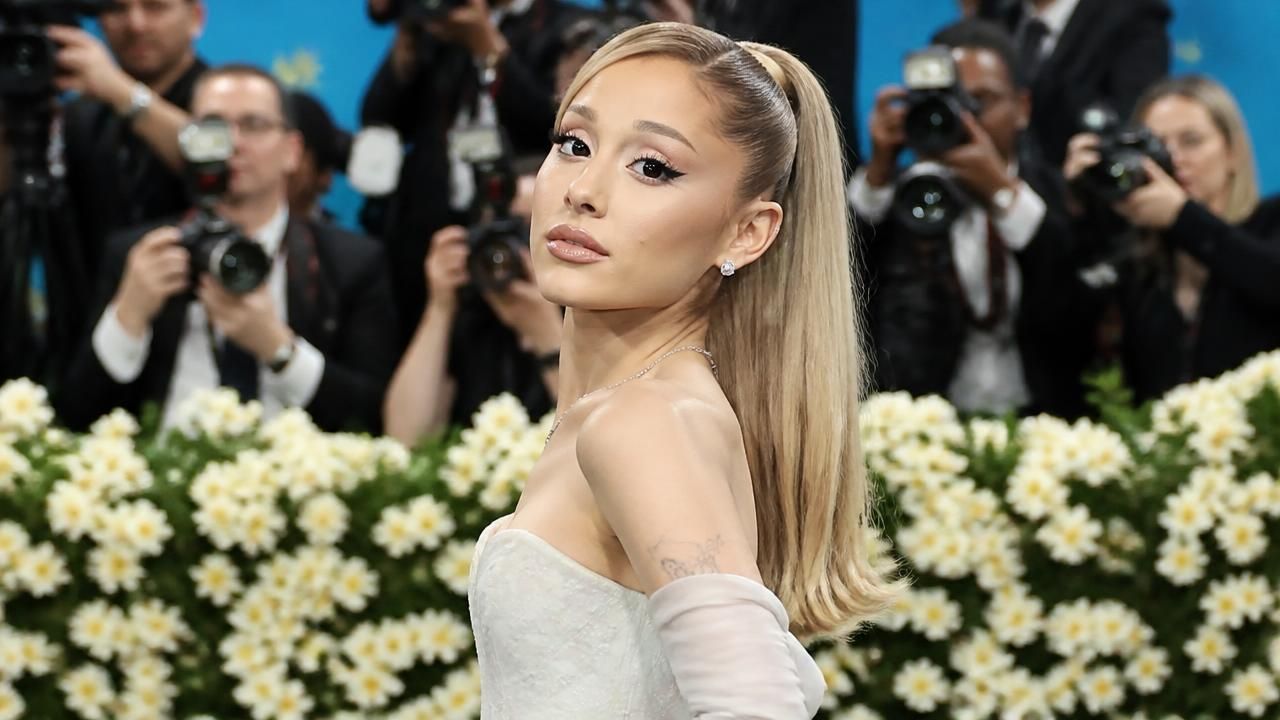
Ariana Grande has taken legal action against unidentified hackers who allegedly stole and leaked hundreds of her unreleased songs, videos, and private content over the past decade. The lawsuit, filed Monday in Los Angeles County Superior Court, targets individuals referred to as 'John Doe 1 and John Does 2 through 100' and seeks to uncover their identities.
The Lawsuit
Grande's legal team aims to 'uncover the identities of these currently unknown and unscrupulous individuals,' according to court documents obtained by The Verge. The suit alleges that the hackers have been systematically leaking unreleased material since Grande's music debut in 2011, with an alarming spike in 2023—45 unreleased songs were stolen and leaked that year alone.
The stolen content includes 'still-in-production, unreleased masters and demos, footage from recording sessions, music videos, and other private material,' the lawsuit states. Grande's attorneys argue that these leaks violate copyright law and cause substantial financial harm by undermining official releases and damaging her artistic control.
Scale of the Leaks
Multiple news outlets, including Yahoo News and MSN, reported that the leaks have been a persistent issue for Grande, with hundreds of tracks and videos surfacing online over the years. The lawsuit details a pattern of theft: hackers allegedly infiltrated digital storage accounts, cloud services, and collaboration platforms used by Grande's team. In some cases, the stolen material was shared on forums, social media, or sold privately.
The recent leak of 45 songs in 2023 represents a significant escalation. Many of these tracks were in various stages of production, from raw demos to nearly finished masters. The lawsuit also mentions leaked music videos and behind-the-scenes footage from recording sessions.
Impact on the Artist
For Grande, these leaks represent more than lost revenue—they infringe on her creative process. 'Artists invest immense time and emotion into crafting their work, and having it exposed prematurely can be devastating,' said entertainment attorney Rebecca Miller in an interview. Leaks can force artists to scrap projects, rewrite songs, or rush releases, undermining the intended artistic vision.
Legal Strategy and Challenges
The suit targets anonymous defendants, which is a common tactic for dealing with cybercriminals. Grande's legal team will likely use subpoenas to compel internet service providers and platforms to reveal IP addresses and account information. However, identifying hackers who operate across jurisdictions and use encryption or anonymizing tools can be difficult. The lawsuit acknowledges this, describing the defendants as 'unscrupulous individuals' who have 'taken significant steps to conceal their identities.'
Similar lawsuits in the music industry have had mixed results. In 2022, rapper Megan Thee Stallion successfully sued a hacker who leaked her music, resulting in damages and a cease-and-desist order. But many cases remain unresolved due to jurisdictional issues.
Industry Implications
Grande's case highlights a growing threat to musicians in the digital age. With recording and storage moving online, hackers have more opportunities to breach security. The industry has seen a wave of leaks in recent years, affecting artists from all genres. 'It's a cat-and-mouse game,' said cybersecurity expert Dr. James Park. 'Artists need robust encryption, multi-factor authentication, and constant monitoring to protect their assets.'
Grande's lawsuit may also signal a more aggressive stance from major labels and artists. While some performers have overlooked leaks or employed cease-and-desist letters, legal action can serve as a deterrent. The case could set a precedent for holding platforms accountable for hosting stolen content.
'The lawsuit aims to send a strong message that this kind of theft will not be tolerated,' said a representative for Grande.
Conclusion
As the legal process unfolds, fans and industry observers await the unmasking of the alleged hackers. For now, Grande is focusing on her upcoming album, which remains under tight security. The lawsuit represents a proactive step toward protecting intellectual property in an era when digital theft is increasingly common.
With the backing of her legal team and growing industry support, Ariana Grande is fighting back against those who have exploited her work for years. The outcome could reshape how musicians defend their unreleased content online.