As the war in Ukraine grinds into its fourth year, a flurry of diplomatic activity suggests the conflict may be approaching a pivotal moment. Ukrainian negotiator Sergiy Kyslytsya told NPR that Kyiv believes it now has "the upper hand" in forcing Russia into serious negotiations, while the United States reportedly views the current frontline as a potential basis for a frozen conflict. Meanwhile, former President Donald Trump—who has expressed willingness to meet Russian President Vladimir Putin as soon as next week—has warned that Ukraine is "losing" the war and called for new elections, despite Ukraine's wartime prohibition on voting.
Ukraine’s Leverage: A Shift in Momentum
In an exclusive interview with NPR, Ambassador Sergiy Kyslytsya, Ukraine's deputy foreign minister and a top negotiator, laid out why Kyiv believes it now holds the advantage. "We have the upper hand," Kyslytsya said, citing Ukraine's successful defense of key territories and its ability to strike deep into Russian-occupied areas. He argued that Russia's faltering offensive and Western military aid have tilted the balance, making Moscow more amenable to talks. "The Kremlin realizes that time is not on its side," he added.
This framing contrasts sharply with assessments from other quarters. Former President Trump, in a recent interview with the New York Post, warned that "Ukraine is losing the war," and suggested that President Volodymyr Zelensky should call elections—despite constitutional prohibitions under martial law. "They need to have an election," Trump said. "That's the only way to know what the people want." The remark drew sharp criticism from Kyiv, where officials view wartime polls as logistically impossible and strategically destabilizing.
US Signal Shift: Frontline Freeze Proposal Emerges
Reports from Kyiv Post indicate that the United States has signaled a potential shift in strategy, with a "frontline freeze" proposal reemerging in diplomatic circles. Under this plan, fighting would be halted along current lines, creating a de facto frozen conflict without requiring Ukraine to formally cede territory. U.S. officials have not publicly confirmed the proposal, but sources close to the negotiations suggest it reflects a growing desire in Washington to de-escalate the conflict—a stance that worries some European allies.
Meanwhile, a U.S. negotiator warned European partners that Russia is "amassing missiles faster than it fires them," according to Kyiv Post. The stockpiling, which includes long-range cruise missiles and ballistic missiles, could allow Russia to sustain high-intensity strikes for months. The warning came during closed-door briefings, where American officials stressed that Moscow is using the lull in fighting to rebuild its arsenal. The New York Times independently reported that Russia is "stockpiling missiles" at a pace that could outstrip Ukraine's air defense capabilities.
Putin Meets with Witkoff and Kushner
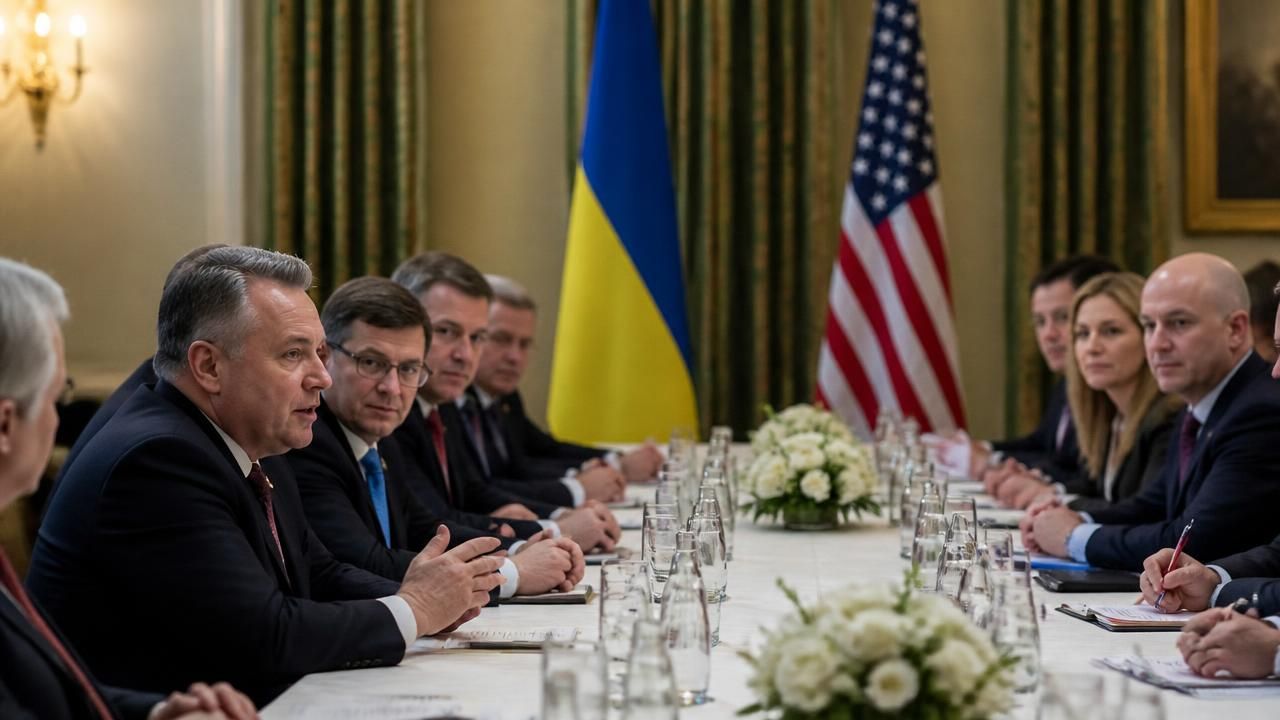
In a sign of back-channel diplomacy, President Vladimir Putin met for nearly five hours with Steve Witkoff and Jared Kushner—two figures with close ties to Donald Trump—according to the New York Times. The meeting, which took place in Moscow, covered potential terms for a ceasefire and broader normalization. Although neither the Kremlin nor Trump's camp has confirmed details, the meeting underscores the unusual role of private intermediaries in U.S.-Russia-Ukraine talks.
Both Witkoff and Kushner are known for their work in Middle East peace efforts, but their involvement in Ukraine has raised eyebrows. "It's a parallel track," said a European diplomat who spoke on condition of anonymity. "The official U.S. government is negotiating through the State Department, but Trump's team seems to be running its own outreach."
Trump-Putin Meeting: 'As Soon as Next Week'
The Guardian reported that Trump could meet Putin for Ukraine war talks "as soon as next week." The meeting, which would mark a dramatic return to high-stakes summitry, is being brokered by unidentified intermediaries. Trump has repeatedly claimed he could end the war in "24 hours," though he has not provided a specific plan. Critics warn that direct talks without Kyiv's full participation could marginalize Ukraine.
President Zelensky, meanwhile, has voiced frustration with the United States. In an interview with Le Monde, he accused American peace negotiators of having "no time for Ukraine" due to the Iran conflict. "They are focused on the Middle East," Zelensky said. "We are not a priority." The comment reflects growing tensions between Kyiv and Washington over the pace of aid and the direction of diplomacy.
Divergent Frames: Optimism vs. Urgency
The divergent narratives highlight the complexity of the moment. Ukrainian leaders project confidence, while U.S. warnings about Russian missile stockpiles paint a grimmer picture. Trump's call for elections and his team's outreach to Putin suggest a potential shift in U.S. policy should he return to office. European allies, meanwhile, are watching nervously as they face the prospect of being sidelined from any peace deal.
"The situation is fluid," said a senior European Union official. "On one hand, Ukraine feels it has momentum. On the other, Russia is preparing for a long war. And the United States appears divided between its institutional diplomacy and Trump's freelance efforts."
Historical Context and Implications
The conflict, now in its third year, has already killed tens of thousands and displaced millions. Previous peace talks, including the Minsk agreements of 2014-2015, failed to stop the fighting. A frontline freeze would echo the status quo in the Donbas before the 2022 full-scale invasion, but with far broader territorial implications. "We've been here before," said historian Timothy Snyder in a recent interview. "The danger is that a frozen conflict becomes a permanent wound—like the Demilitarized Zone in Korea."
For Ukraine, elections remain a contentious issue. While Western critics of Zelensky argue that electoral legitimacy is essential, Ukrainian law prohibits them during martial law. "Holding an election now would be a gift to Russia," said Kyslytsya. "We would be fighting each other while Moscow rearmed."
As the world watches, the next few weeks could determine whether diplomacy or further escalation prevails. With emissaries shuttling between capitals and missiles stockpiled on both sides, the stakes have never been higher.