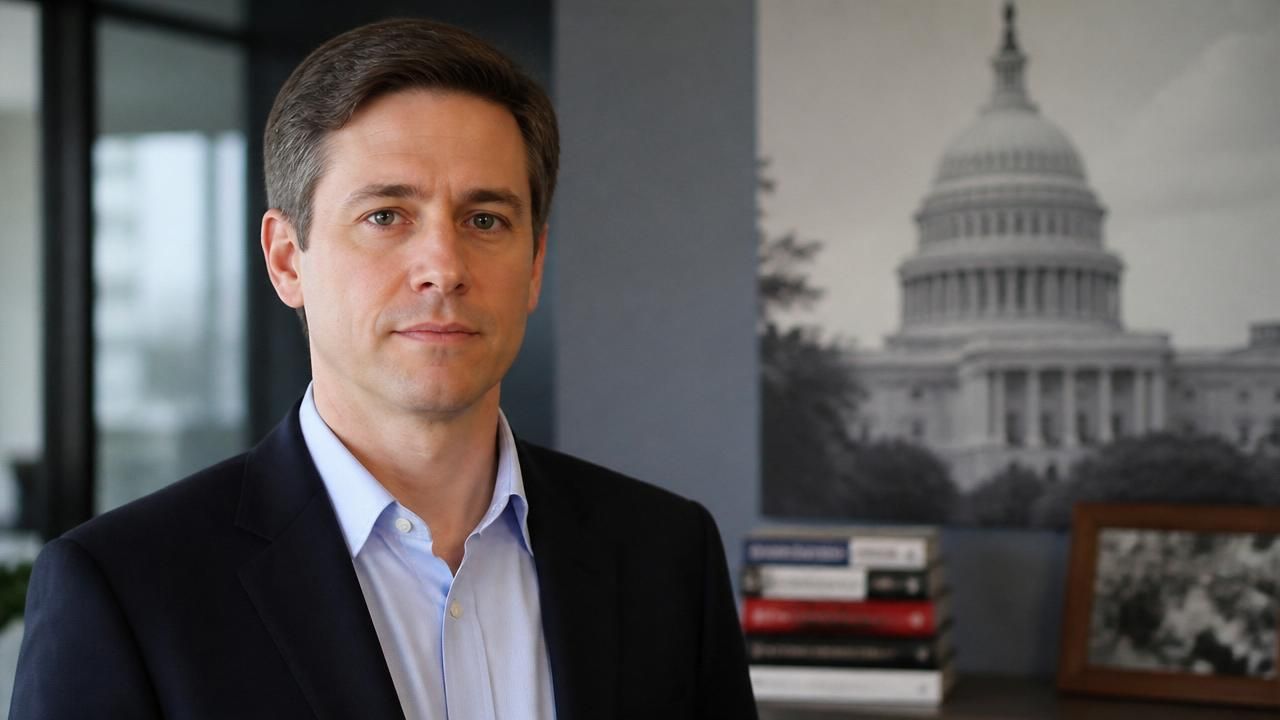
A new investigative book, Ricochet, by New York Times reporter Mike McIntire, delves into the concerted efforts by gun companies and the National Rifle Association (NRA) to expand the scope of the Second Amendment while simultaneously contracting gun laws across the United States. Drawing on extensive reporting, McIntire reveals a multi-pronged strategy that includes socializing children to embrace firearms, marketing a new brand of masculinity centered on gun ownership, and leveraging legal and political channels to broaden the right to bear arms.
McIntire's reporting, covered by NPR and member stations, examines how the gun industry has systematically worked to change the cultural and legal landscape. The book traces the evolution from the post-Columbine era to the present, showing how mass shootings have paradoxically led to the loosening of gun restrictions rather than tightening. McIntire argues that the NRA and gun manufacturers have successfully reframed the debate, portraying gun ownership as an essential American freedom under constant threat.
A Coordinated Campaign
Key to this campaign, according to Ricochet, is the deliberate socialization of children. Gun companies have developed youth-oriented products and marketing campaigns that present firearms as tools of empowerment and responsibility. McIntire highlights programs like the NRA's Eddie Eagle GunSafe program, which, while ostensibly about safety, also serves to normalize gun ownership among children. The book also explores the rise of shooting sports and video games that blur the line between fantasy and reality.
Furthermore, McIntire documents how the industry has promoted a new brand of masculinity that equates manhood with gun ownership. This is evident in advertising that features rugged, individualistic men and slogans like 'The most important weapon is the one between your ears.' This messaging, the book contends, has resonated particularly strongly in rural and suburban areas where traditional masculine roles have been challenged.
Legal and Political Strategy
On the legal front, Ricochet details how the NRA has pursued a strategy of 'judicial activism' — filing lawsuits to strike down gun restrictions and pushing for the appointment of judges sympathetic to an expansive reading of the Second Amendment. The book points to landmark cases like District of Columbia v. Heller (2008) and McDonald v. Chicago (2010) as pivotal victories that established an individual right to bear arms. Since then, the NRA has worked to extend that right to include carrying firearms in public, with 'constitutional carry' laws now passed in numerous states.
Politically, the NRA has wielded immense influence through campaign contributions and lobbying, effectively blocking federal legislation such as universal background checks and assault weapons bans. McIntire notes that the organization has also used 'stand your ground' laws and the 'gun show loophole' to expand access to firearms.
Differing Perspectives
While Ricochet has been praised by gun control advocates for its meticulous reporting, gun rights supporters have criticized it as a one-sided attack. The NRA has dismissed the book as 'activist journalism' that ignores the role of firearms in self-defense. However, McIntire's work is rooted in thousands of pages of internal documents from the gun industry, providing a rare behind-the-scenes look at the tactics used to shape public opinion and policy.
In interviews, McIntire has emphasized that his goal is not to demonize gun owners but to expose the machinery behind the expansion of gun rights. 'The Second Amendment is being stretched to cover activities that the founders never imagined,' he told NPR. 'We need an honest conversation about what kind of gun culture we want.'
Broader Implications
The publication of Ricochet comes amid a surge in gun violence and a deepening partisan divide over firearms. The book argues that unless the cycle of expansion is broken, the United States will continue to see high rates of gun deaths. It calls for a renewed focus on evidence-based policies and a reevaluation of the role of money in politics.
As the 2024 election cycle heats up, the issues raised in Ricochet are likely to feature prominently in debates. Whether the book will shift the conversation remains to be seen, but it offers a comprehensive account of how we arrived at this point and the forces driving the ongoing expansion of gun rights.