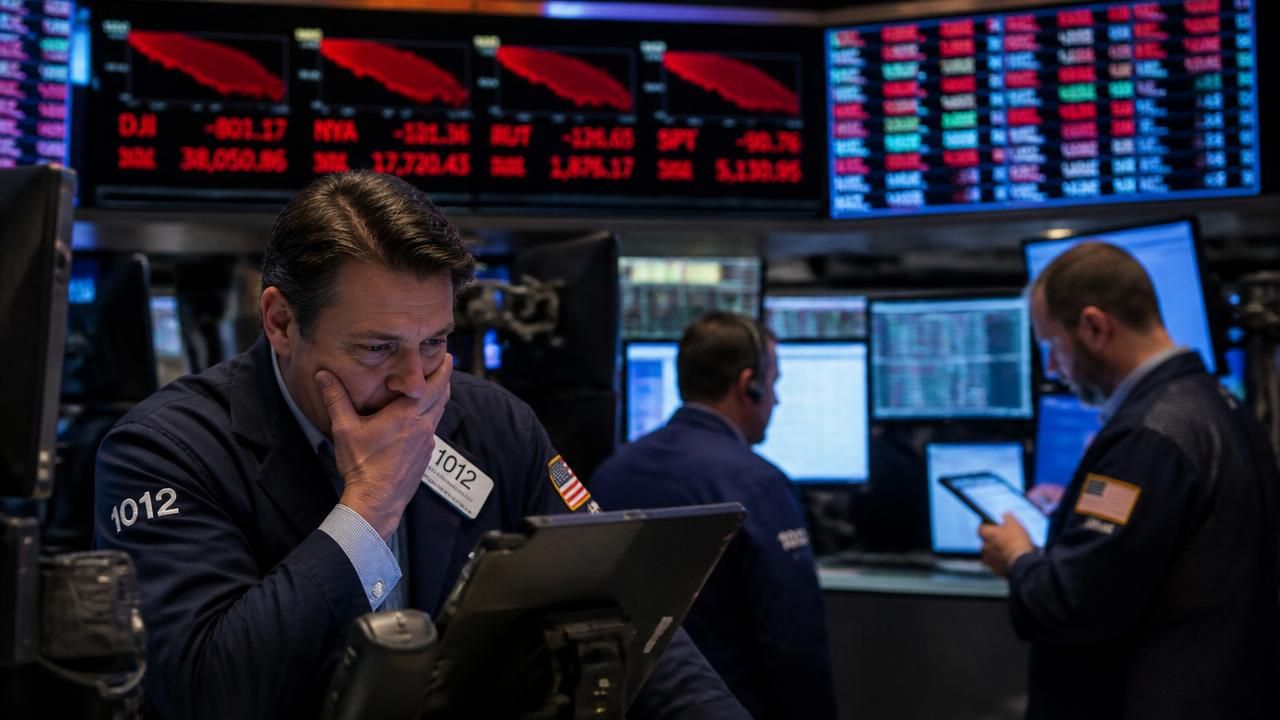
Global financial markets endured a turbulent week as a confluence of factors—ranging from artificial intelligence (AI) valuation fears and revived tariff threats from former President Donald Trump to geopolitical tensions in the Middle East—triggered a broad selloff that swept across equities, currencies, and commodities. The Dow Jones Industrial Average plummeted over 800 points on the worst day since April, while the S&P 500 and Nasdaq Composite posted their steepest weekly losses in months. Emerging markets bore the brunt, with Asian tech stocks leading the decline and Indonesia's benchmark index suffering its worst close of the year. The turmoil underscores the fragility of a market already grappling with inflation worries and shifting central bank policies.
The Tech Wreck: AI Valuations Under Scrutiny
The selloff was most pronounced in the technology sector, where a sudden reassessment of AI-driven valuations sent shockwaves through global exchanges. The catalyst was a report from Bloomberg Markets highlighting a slide in Asian tech stocks that dragged the emerging-market benchmark to a three-month low. Meanwhile, Reuters and CNN pointed to a surprising advancement from Chinese AI startup DeepSeek, which raised doubts about the dominance of U.S. tech giants. “DeepSeek’s breakthrough has investors questioning whether the premium placed on AI stocks is justified,” noted one analyst from FXStreet, where Asian indices like South Korea’s KOSPI fell sharply. The Hang Seng Index also retreated on technology concerns, as reported by RTHK.
Adding to the tech gloom, The Guardian reported Apple’s shock downgrade by a major investment bank, which rattled confidence in the sector. The combination of AI displacement fears and downgraded earnings forecasts led to the worst tech sell-off since April, according to Yahoo Finance. The Nasdaq’s decline was particularly severe, with the index losing over 3% in a single session, wiping out billions in market capitalization.
Tariff Tensions: Trump’s Return Rattles Markets
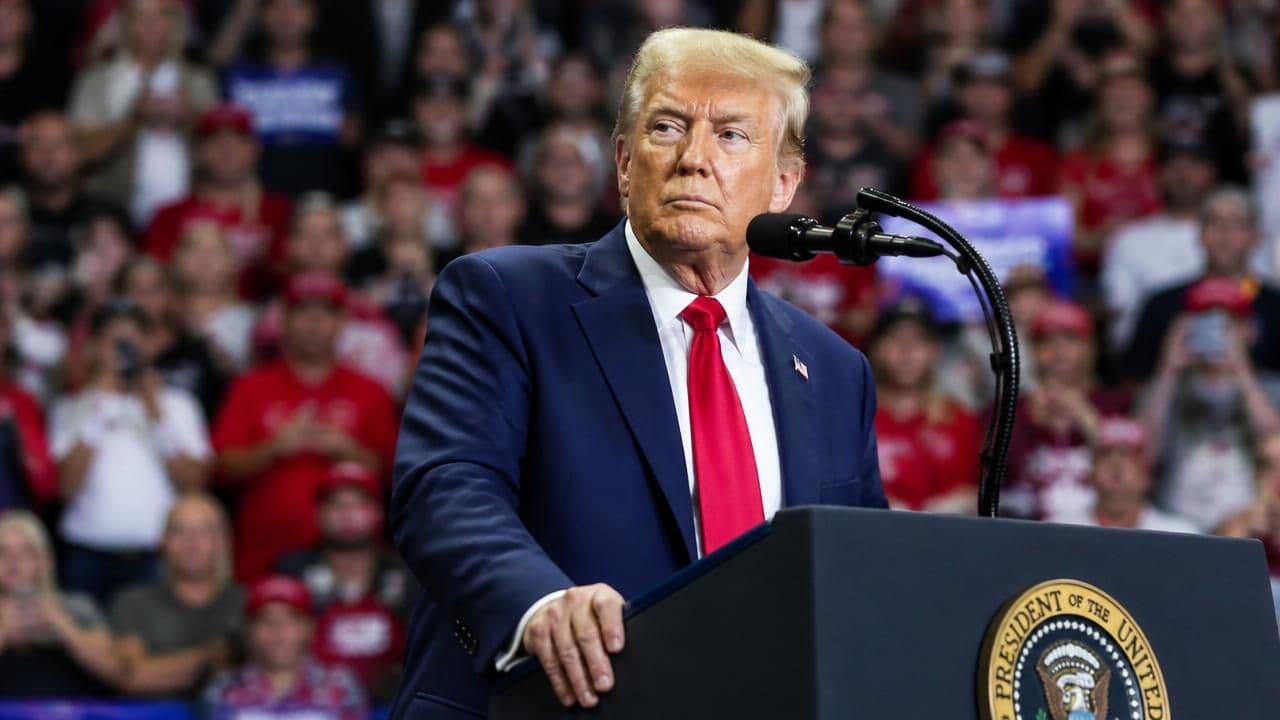
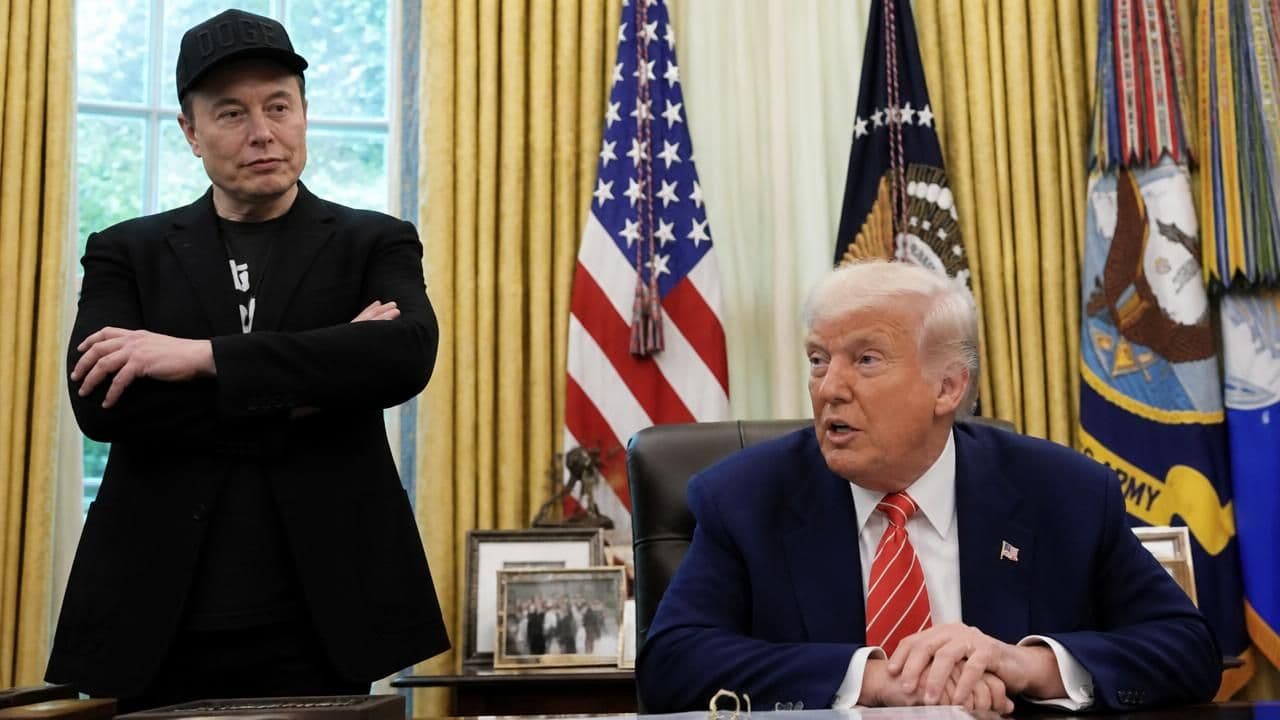
At the same time, renewed trade war fears emerged as former President Donald Trump floated new tariff proposals during a campaign event. Bloomberg and Reuters reported that Trump’s suggestion of a 10% universal tariff on all imports—and as high as 60% on Chinese goods—caught markets off guard. “The sheer size of the proposed tariffs surprised everyone,” wrote Reuters in an instant analysis. The S&P 500 and Dow Jones fell sharply as investors priced in the potential for disrupted supply chains and higher consumer prices.
The tariff threats echoed the 2018 trade war, which triggered a global slowdown. However, this time they compound other headwinds, including lingering inflation and a potential shift in Federal Reserve policy. Yahoo Finance noted that the Dow’s 800-point drop was the largest single-day decline since April, with tariff-sensitive sectors like industrials and materials suffering outsized losses.
Oil Spikes Above $100 Amid Middle East Strife
Geopolitical factors further unsettled markets. Oil prices surged past $100 a barrel following an escalation in the Middle East, particularly concerning Iran. Bloomberg reported that the Strait of Hormuz—a key chokepoint for global oil shipments—came under renewed threat. However, Reuters noted that President Trump’s rhetoric on Iran briefly eased oil fears, offering a temporary respite. The conflicting signals kept energy markets volatile, with crude swinging between gains and losses.
High oil prices added to inflation concerns and weighed on consumer discretionary stocks. Yet, some European bourses were partially shielded, as lower oil prices later in the week helped stabilize currencies, according to Bloomberg Markets. The dollar strengthened as a safe haven, but this further pressured emerging-market currencies.
Emerging Markets Hit Hardest
Developing economies were particularly vulnerable. Jakarta Globe reported that Indonesia’s stock index fell 4.2%, marking its worst close of the year. The slide was driven by a combination of tech selloffs and fears of capital outflows. Similarly, the broader emerging-market index tracked by Bloomberg saw its steepest decline in three weeks. Asian chipmakers—critical to the AI supply chain—were battered, with South Korea’s KOSPI dropping over 2% as semiconductor stocks plunged.
The pain was not limited to Asia. European markets also fell, though the pullback in oil later in the week helped contain losses. China Daily HK reported a global stocks rebound as Middle East hostilities paused temporarily, suggesting that any ceasefire could provide relief. However, the underlying fragility remains.
A Volatile Week Ahead
Despite a slight recovery by week’s end—with U.S. stocks gaining as oil stabilized—the overall tone was cautious. Bloomberg noted that the S&P 500 and Nasdaq capped their fourth consecutive month of losses. Investors are now eyeing the Federal Reserve’s next moves, with inflation still above target. The combination of AI valuation doubt, trade war threats, and geopolitical risk creates an unusually uncertain environment.
“We’re seeing a triple threat: an overvalued tech sector, escalating trade tensions, and an oil shock,” said a strategist quoted by Bloomberg. “Each alone would be manageable, but together they raise the odds of a broader correction.”
As markets digest this new reality, key events to watch include upcoming earnings reports from major tech firms, further tariff announcements, and diplomatic efforts in the Middle East. For now, the mood is one of caution, with volatility expected to persist.