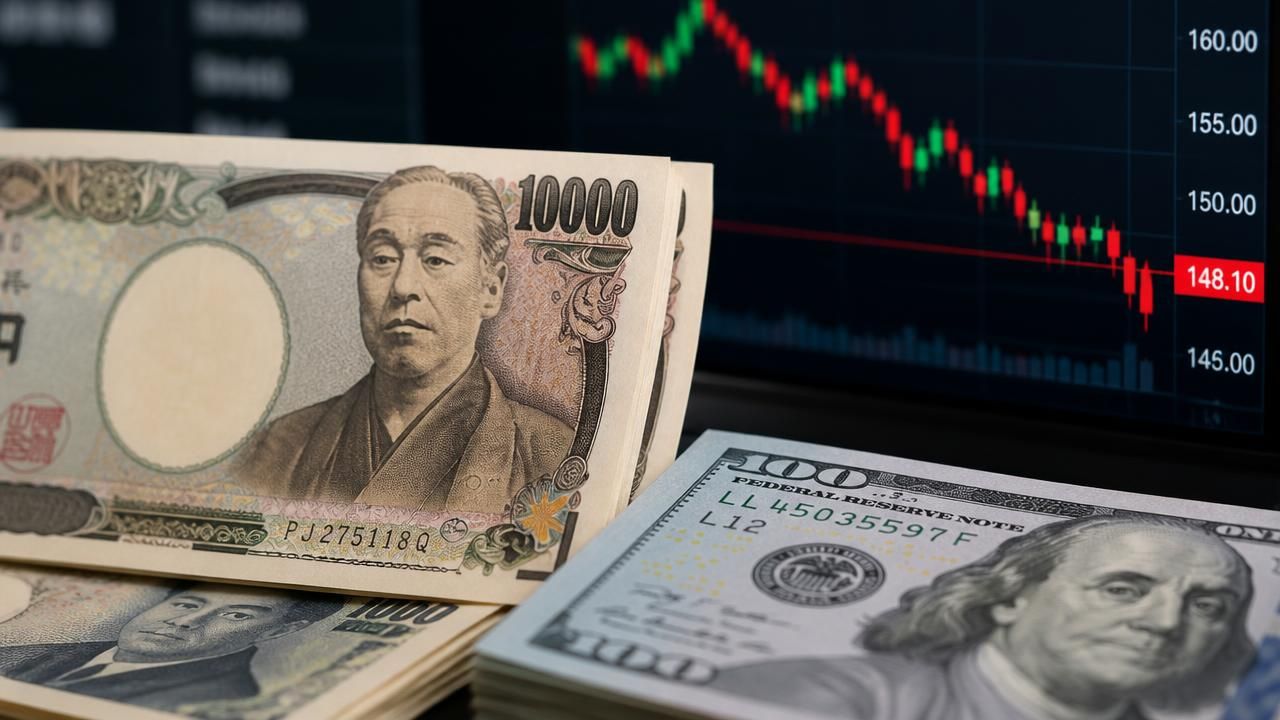
The Japanese yen staged its sharpest rally in weeks on Thursday, jumping nearly 2% to a one-month high against the U.S. dollar, as traders ramped up bets on a near-term Bank of Japan (BOJ) rate hike and remained on edge over the possibility of official intervention. The sudden reversal caught many investors off guard, halting a month-long slide and putting currency markets on high alert.
Intervention Warnings Escalate
Japanese officials have repeatedly sounded the alarm over what they characterize as speculative moves in the foreign exchange market. Finance ministry officials described the yen's recent decline as "speculative" and reiterated that they would take decisive action if necessary. The verbal warnings have intensified in recent sessions, with policymakers increasing their vigilance and readying the groundwork for possible market operations.
"We are watching market moves with a high sense of urgency," said a senior Japanese finance official. "Speculative moves that do not reflect fundamentals are undesirable."
Market participants noted that the threat of intervention is real, especially after previous rounds of yen buying by Tokyo. However, many strategists argue that intervention, if unaccompanied by policy changes, would only have a temporary effect.
BOJ Rate Hike Bets Drive the Move
At the core of the yen's sudden surge is a shift in interest rate expectations. Traders have lifted the odds of a BOJ policy tightening in the coming months, following stronger-than-expected domestic data and commentaries from central bank officials signalling a departure from ultra-loose monetary policy. The BOJ's policy normalisation would narrow the interest rate differential with the U.S., making the yen more attractive and potentially triggering an unwinding of carry trades.
According to Commonwealth Bank of Australia analysts, a BOJ rate hike would have significant ripple effects for global markets, particularly in currencies and fixed income. "If the BOJ delivers another hike, we could see a sustained appreciation of the yen, potentially triggering a broader unwind of yen-funded carry trades," they wrote in a note.
Global Risk-Off Sentiment Amplifies the Move
The yen's rise also coincided with safe-haven demand amid escalating geopolitical tensions, notably the outbreak of an Iran-linked conflict. As risk assets sold off, investors sought refuge in traditional safe-haven currencies, with the yen and Swiss franc benefitting. The confluence of risk aversion and BOJ expectations created a powerful wave of buying that overwhelmed bearish positions.
Investors Brace for Policy Impact
Market participants are now pricing in a more hawkish BOJ, leading to a rush in derivatives and rates products. Sources from International Financing Review indicate that investors have flocked to hedge Japanese interest rate risk and yen exposure following the sudden move and intervention talk. The increased hedging activity itself is a sign of nervousness about potential BOJ action.
Meanwhile, U.S. economic data added another layer of complexity. The dollar weakened after July retail sales figures came in softer than expected, reinforcing the view that the Federal Reserve may not raise rates as aggressively as previously thought. That put further downward pressure on the dollar-yen pair.
Skepticism Remains About Intervention Success
Not all market observers are convinced that a short-term intervention strategy will succeed. Analysts at Seeking Alpha noted that while intervention can "buy time," the BOJ remains the ultimate driver of the yen's valuation. Without credible policy action, the fundamental bearish pressure on the yen may resurface, as the interest rate gap between Japan and the U.S. remains wide.
"Intervention alone does not change the underlying macro picture," one currency strategist commented. "The BOJ is the only game in town for structural yen strength."
Another Seeking Alpha headline highlighted the role of U.S. Treasury Secretary Bessent in backing the intervention, suggesting that coordination with the U.S. could increase its effectiveness. That adds a political dimension, given historical sensitivities surrounding currency manipulation among major economies.
Payrolls and the Fed: What's Next?
In the near term, the U.S. non-farm payrolls report could set the next direction for the pair. If the data challenges the Fed's recent hawkish reset, the dollar could weaken further, giving the yen more room to appreciate. Conversely, a robust report could see the greenback recover and test Japanese authorities' resolve again.
Implications for Global Markets
A sustained yen rally would have far-reaching consequences, not least for Japanese exporters and global equity markets. A stronger yen erodes corporate earnings in Japan, potentially dragging down the Nikkei. For the rest of Asia, a softer dollar and a firmer yen could relieve pressure on emerging-market currencies while affecting trade dynamics.
For now, market participants are walking a tightrope, balancing the risk of intervention with the likelihood of a BOJ hike. The yen's outlook rests on a knife's edge, and the next few trading sessions promise volatility.