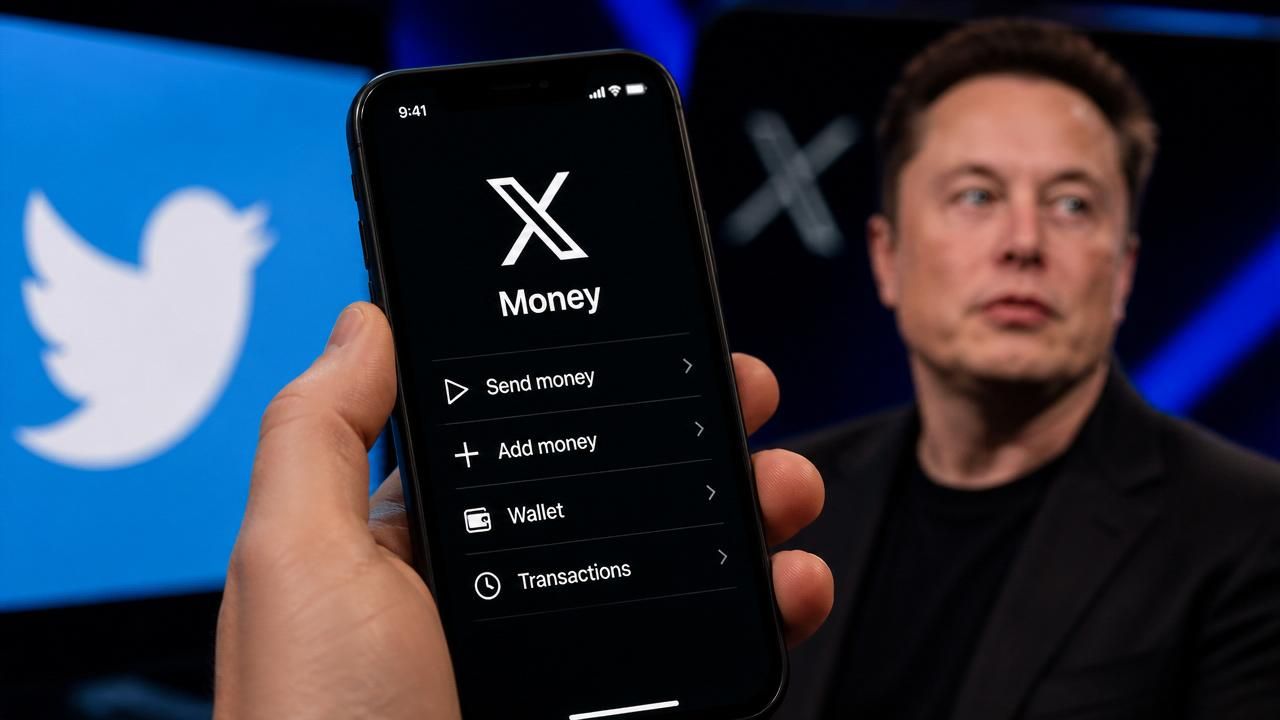
X, the social media platform formerly known as Twitter, has officially launched its long-awaited payment service, X Money, in the United States. The rollout, which began on [date], marks a significant milestone in Elon Musk's ambition to transform X into an 'everything app'—a one-stop shop for social networking, messaging, and financial services.
What Is X Money?
X Money is a digital wallet and peer-to-peer payment system that allows users to send and receive money directly within the X app. The service is designed to compete with established platforms like Venmo, Cash App, and Apple Pay. Key features include:
- Digital Wallet: Users can store funds and make transactions seamlessly.
- Peer-to-Peer Transfers: Send money to other X users instantly and for free.
- Metal Visa Card: A physical card that users can personalize with their X username, complete with a metal finish for a premium feel.
- Apple Wallet Support: Integration with Apple Wallet for contactless payments.
- High-Yield Savings: Up to 6% annual percentage yield (APY) on deposited funds, though this is primarily available to Premium Plus subscribers.
For standard Premium subscribers, a 'boosted' APY of 6% is offered only after depositing a certain amount, according to The Verge. Free-tier users may access basic payment features but do not qualify for the high-yield savings rate.
The Road to Launch
X Money has been in development for over a year, initially limited to an invite-only beta. The public launch follows months of speculation and regulatory filings. Musk has repeatedly stated that integrating payments into X is crucial for the platform's long-term viability, reducing its reliance on advertising revenue. In a 2023 all-hands meeting, Musk reportedly said, 'When I say payments, I actually mean someone's entire financial life.'
'X Money is not just about sending money to friends; it's about creating a financial ecosystem where users can bank, invest, and shop without leaving the app.' — Industry analyst comment (paraphrased from unnamed sources).
The launch comes amid a broader push by tech giants into fintech. Apple has expanded Apple Card and Apple Pay Later, while Meta has experimented with payments on WhatsApp and Instagram. However, X's approach is unique in tying financial services directly to a social media experience.
How It Works
To use X Money, users must link a bank account or debit card to their X profile. Transactions are processed through X's own payment infrastructure, with funds held in partnership with licensed banking entities. The metal Visa card, which is optional, can be ordered through the app and used at any merchant that accepts Visa.
One notable perk is the 6% APY on savings, which far exceeds the national average of around 0.5% for traditional savings accounts. However, this rate is only guaranteed for Premium Plus subscribers ($16/month). Standard Premium users ($8/month) must maintain a minimum balance to qualify for the boosted rate, a detail that has drawn scrutiny from consumer advocates.
Implications for the Fintech Landscape
X Money enters a crowded market. Venmo dominates person-to-person payments among younger users, while Cash App is popular for its investing features. Apple Pay holds a strong position in mobile wallets. Analysts say X's advantage lies in its massive user base—over 500 million monthly active users—and the viral nature of social media.
However, trust remains a challenge. Musk's management of X has been controversial, with rapid policy changes and layoffs raising concerns about security and reliability. The platform has also faced scrutiny over its handling of financial data. X Money's privacy policy states that transaction data will not be used for ad targeting, but some experts remain skeptical.
Competitive Response
In response to the launch, competitors have emphasized their own security and feature sets. Venmo's parent company, PayPal, recently announced enhanced fraud detection, while Apple highlighted the privacy of Apple Pay. Meanwhile, traditional banks are watching closely, concerned that tech platforms could erode their role in customer relationships.
What's Next for X Money?
X has hinted at expanding X Money to include lending, investing, and even cryptocurrency trading in the future. Musk has previously expressed interest in integrating Dogecoin, though no official plans have been announced. For now, the focus is on attracting users with the promise of free transfers and high yields.
The success of X Money will depend on adoption. Early reviews are mixed: some users praise the seamless integration with X's interface, while others worry about the concentration of power in one app. As Musk pushes toward his 'everything app' vision, X Money represents a bold bet—one that could redefine how we think about social media and money.
Conclusion
X Money's launch is a pivotal moment for X and for the fintech industry. By combining social networking with financial services, Musk is attempting to create the kind of super-app that has thrived in Asia, such as WeChat and KakaoTalk. Whether U.S. consumers embrace this model remains to be seen, but the rollout underscores a growing trend: the blurring of lines between platforms we use to connect and the tools we use to manage our finances.