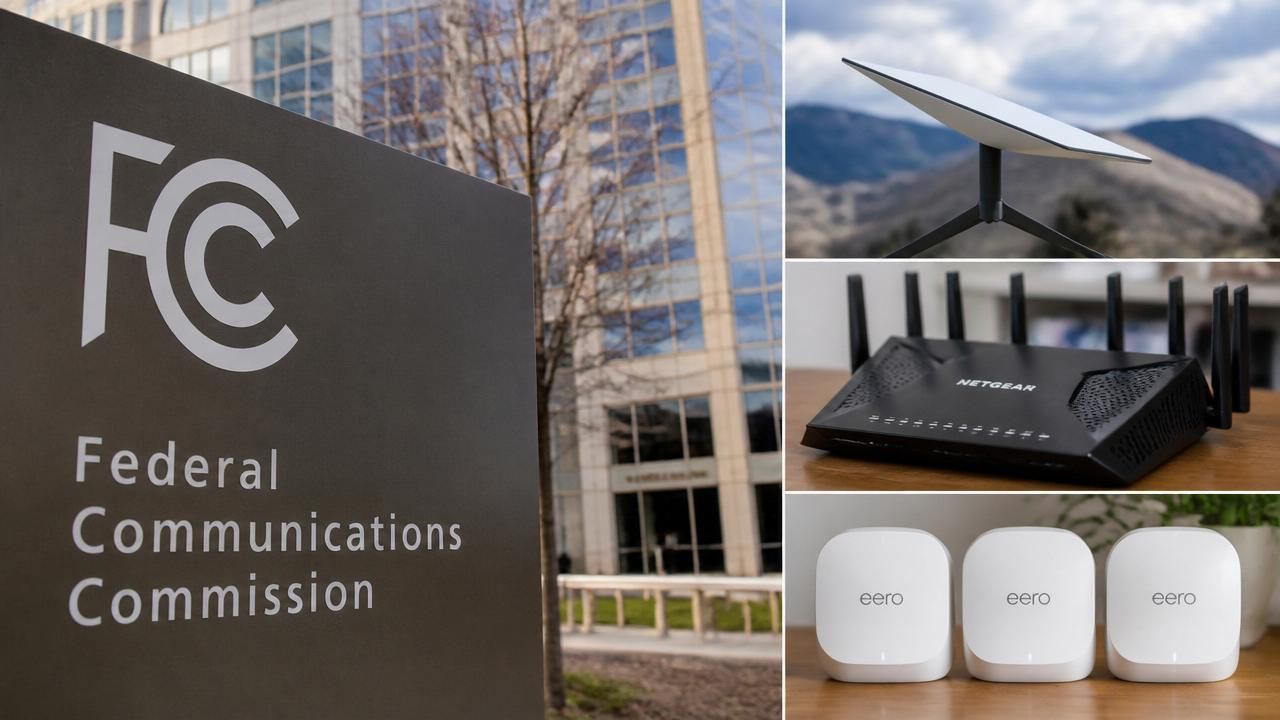
The Federal Communications Commission's (FCC) ban on new Wi-Fi router models manufactured outside the United States has set off a scramble among major vendors. In a series of recent decisions, the FCC has granted exemptions to SpaceX's Starlink, Netgear, and Amazon's Eero, while TP-Link has announced plans to invest hundreds of millions in U.S. production to meet compliance.
Background: The Covered List and National Security Concerns
The FCC updated its Covered List in late 2023 to include all consumer-grade routers made at least partly outside the U.S., deeming them an unacceptable risk to national security. The move, which took effect earlier this year, prohibits the sale of new router models that do not receive an exemption. Given that most routers are manufactured in China and other Asian countries, the ban threatens to disrupt the entire networking hardware industry.
“The Trump administration today exempted SpaceX's Starlink routers from the Federal Communications Commission ban on foreign-made routers,” reported Ars Technica.
Exemptions Pile Up: Starlink, Netgear, Eero
Starlink's Department of War Approval
SpaceX's Starlink was granted an exemption until February 1, 2028, after receiving approval from the Department of Defense, also referred to as the Department of War. The FCC's public notice did not detail the reasoning but noted Starlink routers posed no exceptional risk.
Netgear: First Exemption with Little Explanation
Netgear was the first to secure an exemption, according to Ars Technica. The FCC did not explain why Netgear was granted a waiver, leading to speculation about the criteria. PCMag covered the development, titling its article “Netgear Scores the First Exemption From the FCC's Foreign-Made Router Ban.”
Amazon's Eero Follows
Amazon's Eero brand also received an exemption, as reported by PCMag. The article noted that Eero's routers are primarily designed and manufactured abroad, making the exemption critical for its U.S. sales.
Industry Reactions: TP-Link's Pledge and Skepticism
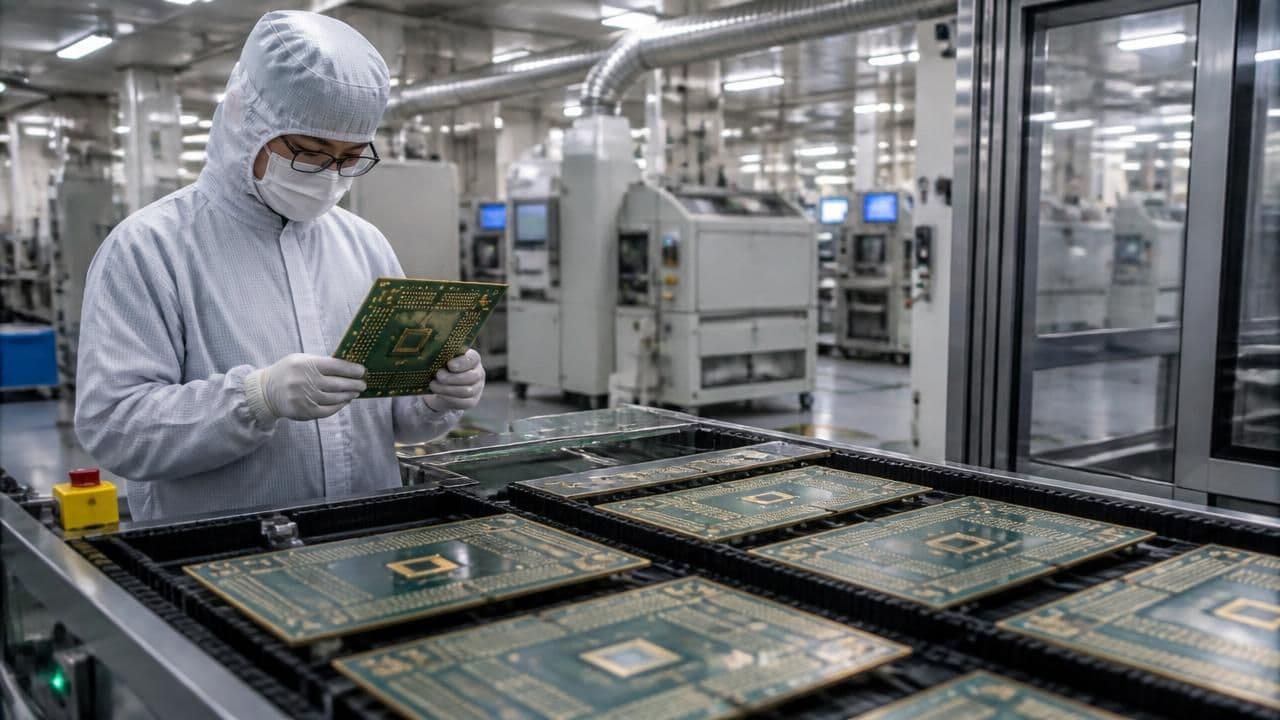
TP-Link, a major router manufacturer based in China, told the FCC it is investing “hundreds of millions” in U.S. manufacturing to comply with the ban. PCMag covered this, stating, “Facing Router Ban, TP-Link Tells FCC It's Investing Hundreds of Millions in the US.” However, industry observers question whether such investments can be realized quickly enough to avoid supply chain disruptions.
Updates for Existing Routers Allowed Until 2029
In a separate decision, the FCC confirmed that existing routers already on the market can receive firmware updates until February 1, 2029. This provides a safety net for consumers, but the ban only applies to new models. Ars Technica reported this as, “After banning foreign routers, FCC says existing ones can get updates until 2029.”
Different Angles: PCMag's Focus on Complexity
PCMag ran multiple articles framing the ban as increasingly complicated. Titles such as “The FCC's Foreign-Made Router Ban Gets Complicated” and “Is the FCC's Foreign-Made Router Ban Only the Beginning?” suggest a trend toward more exemptions and potential loopholes. The publication also highlighted that the ban is not just about national security but also about trade policy and domestic manufacturing.
Implications for Consumers and Industry
The FCC's ban and subsequent exemptions create an uneven playing field. Smaller companies may struggle to secure waivers, while giants like SpaceX and Amazon have resources to navigate the regulatory process. Critics argue the ban could lead to higher prices and less innovation, as companies rush to relocate production or rely on exemptions.
“The Kickoff to an Industry-Wide Scramble”, as Ars Technica described the FCC's updated Covered List, has only intensified. With many vendors still waiting for exemptions, the next few months will be crucial. The FCC has not published clear criteria for granting waivers, leaving the industry in uncertainty.
Expert Views
Telecom analyst Susan Crawford of Harvard Law School commented, “The FCC is attempting to address genuine national security concerns, but the execution is messy. Exemptions appear arbitrary, and the lack of transparency undermines the policy's credibility.” Meanwhile, industry groups like the Consumer Technology Association have warned that the ban could disrupt the supply chain for essential internet equipment.
Historical Context
The ban builds on previous efforts by the FCC to restrict Chinese-made telecom equipment, including a 2020 order targeting Huawei and ZTE. The expanded list now encompasses almost all routers, reflecting a broader push to secure the digital supply chain. However, the recent exemptions suggest a pragmatic approach, as outright enforcement could cripple the market.
What’s Next?
As exemptions continue to be granted, the FCC may face pressure to either tighten or loosen the rules. The TP-Link investment, if successful, could serve as a model for other foreign manufacturers. Consumers should expect limited new router launches in the short term, with existing models dominating the market. The full impact will unfold as the 2028 and 2029 deadlines approach.
- Who: FCC, SpaceX, Netgear, Amazon, TP-Link, other router manufacturers.
- What: Exemptions from the FCC ban on foreign-made routers.
- When: Exemptions granted in early 2024; ban effective for new models now.
- Where: United States.
- Why: National security concerns over foreign-manufactured networking equipment.
- How: Companies apply for exemptions; FCC evaluates on a case-by-case basis.
This developing story highlights the tension between security and market dynamics. For now, the industry adapts, while consumers wait to see how the new rules shape the router landscape.