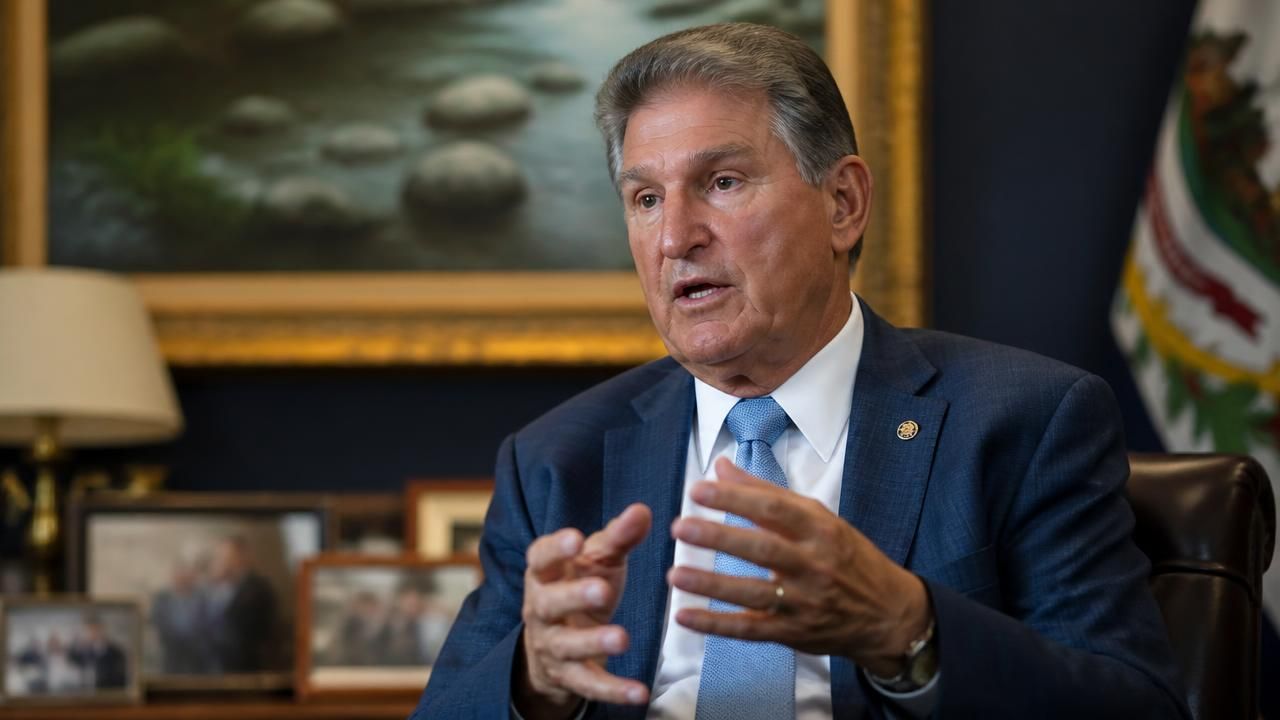
Former West Virginia Senator Joe Manchin, who left the Democratic Party to register as an independent in 2023, has launched a new political initiative aimed at electing more independents to Congress. The effort, dubbed the 'Independent Council,' seeks to provide support, fundraising, and strategic guidance to candidates who reject traditional party labels and pledge to govern from the center.
A Shift from Party Loyalty
Manchin, a lifelong Democrat before his party switch, has long been a pivotal swing vote in a narrowly divided Senate. His decision to become independent reflected growing frustration with partisan polarization. Now, he is leveraging his experience and network to encourage others to follow suit. 'The two-party system is broken,' Manchin said in a statement. 'We need leaders who put country over party.'
The Independent Council's Mission
The council will identify and recruit candidates who commit to rejecting caucus control and voting based on principle rather than party line. It plans to offer campaign infrastructure, media training, and access to donors. Manchin has emphasized that the effort is not aimed at spoiling elections but at providing a viable alternative for voters tired of extremism.
According to sources, the council has already begun outreach to potential candidates in several states, including Arizona, Alaska, and Nebraska, where independent movements have shown strength. The group eyes both House and Senate seats, though challenges remain given the entrenched two-party system.
Historical Context
Independents have often struggled to gain traction in U.S. politics. Senators Angus King of Maine and Bernie Sanders of Vermont caucus with Democrats, while others like the late Senator Bob Smith of New Hampshire have served as independents. However, no independent has been elected to the Senate without prior party affiliation since the 1970s. Manchin hopes to change that by offering a blueprint for centrist candidates to win without party backing.
Political analysts note that while independents appeal to moderate voters, they face hurdles in fundraising and ballot access. The council aims to mitigate these issues by pooling resources and expertise.
Reactions and Implications
The announcement has drawn mixed reactions. Good-government groups praised the effort as a potential antidote to gridlock, while party strategists dismissed it as a vanity project. 'Manchin's influence is waning, and this council is unlikely to produce winners,' said a Democratic consultant. But supporters argue that the timing is right, as public trust in both parties hits historic lows.
If successful, the initiative could reshape congressional dynamics, forcing parties to negotiate with a bloc of independents. It may also encourage more politicians to abandon party labels, further fragmenting the political landscape.
What's Next?
Manchin plans to travel to key states in the coming months to rally support. The council will launch a digital campaign and host candidate workshops. Whether this movement gains momentum or fizzles, it underscores a growing desire for alternative political voices in an era of deep division.