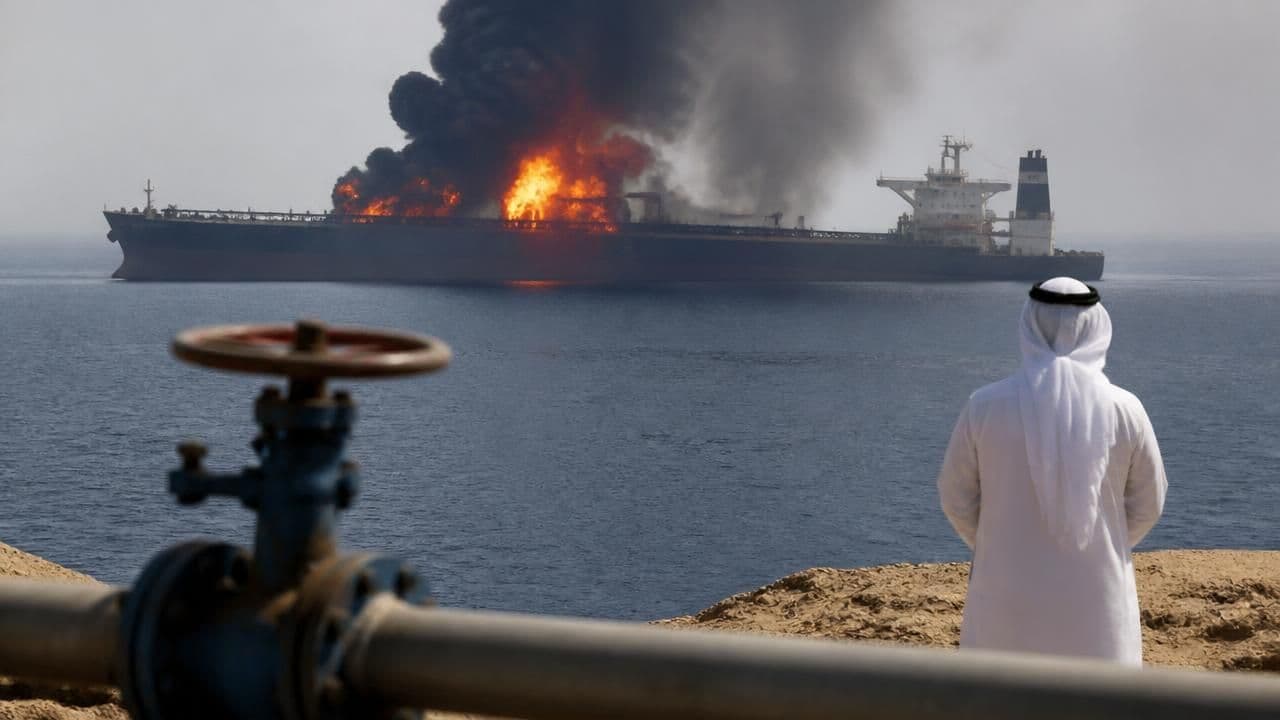
Oil prices tumbled sharply on Monday, July 27, 2026, after the United States paused nearly two weeks of daily strikes against Iran and tankers resumed loading at a disrupted Kazakh export terminal. The twin developments significantly eased supply concerns that had driven crude to multi-month highs, with West Texas Intermediate (WTI) sliding below $64 per barrel and Brent crude falling more than 5% in a single session.
Massive Sell-Off Across Benchmarks
WTI crude dropped over 5% to trade near $63.50, while Brent fell to around $67.20, according to data from Bloomberg and Reuters. The decline marked the biggest single-day drop in weeks, reversing gains built on fears of a broader Middle East conflict. Trading volumes surged as investors rushed to unwind geopolitical risk premiums.
"The market had priced in a prolonged disruption to Iranian and regional supplies, but the sudden pause in U.S. strikes forced a rapid repricing," noted a Saxo Bank market analyst in a research note. "Combined with the resumption of loading at Kazakhstan’s CPC terminal, the supply outlook has shifted dramatically."
Geopolitical Truce and Diplomatic Space
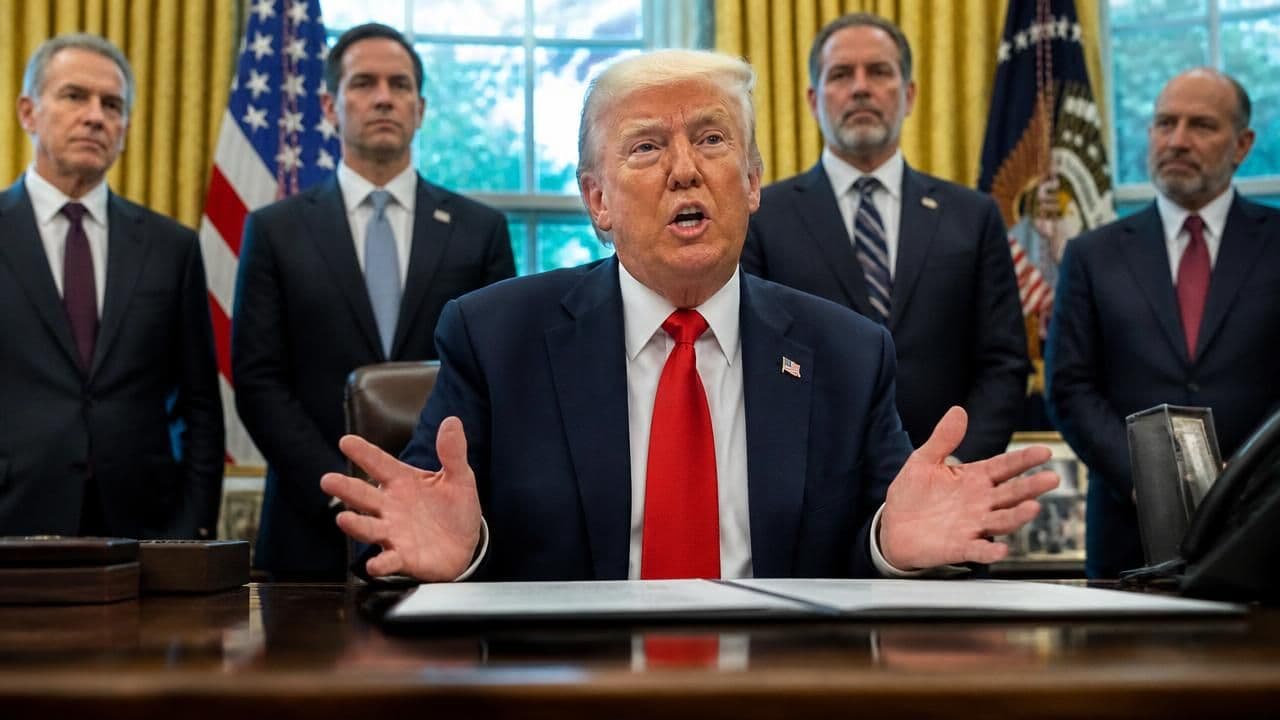
The White House announced a halt to daily airstrikes against Iranian military targets, citing a need to create "space for diplomacy." NBC News reported that the pause was intended to allow for negotiations, though officials stressed that military options remained on the table. The move followed weeks of escalating tit-for-tat attacks that had rattled global energy markets.
"Both sides have stepped back from the brink, at least for now," said a Middle East security analyst speaking to Reuters. "The question is whether this is a genuine ceasefire or just a tactical breather before another round of hostilities."
Kazakhstan’s CPC Terminal Reopens
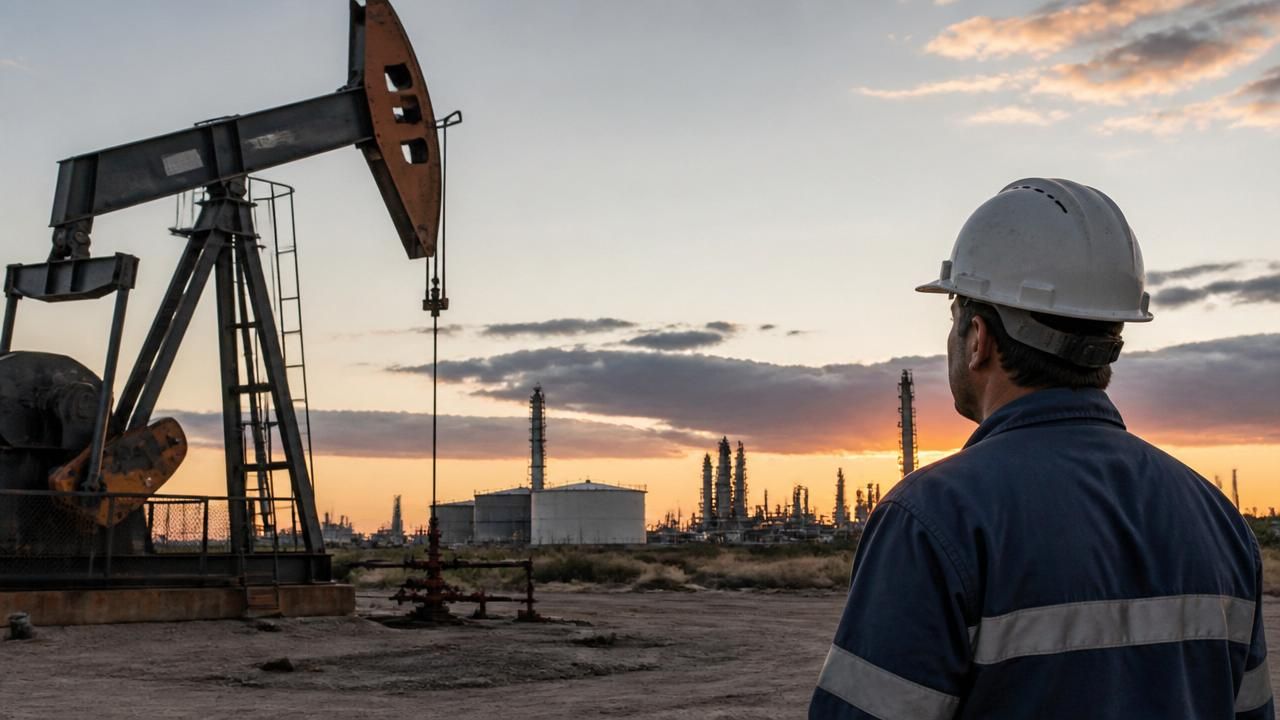
Adding to the supply relief, tankers began loading at Kazakhstan’s Caspian Pipeline Consortium (CPC) terminal after repairs were completed. The terminal had been partially shut down due to storm damage and maintenance issues, tightening heavy crude supplies. "The restart of CPC loading is significant for medium-sour crude grades and will help balance the market," an energy trader told Bloomberg.
Gold Rises, Treasury Yields Fall
The geopolitical détente also rippled through other asset classes. Gold prices edged higher as safe-haven demand shifted, while U.S. Treasury yields declined amid reduced risk appetite. The dollar weakened slightly, providing support for commodities priced in the greenback. Investors now turn their focus to the Federal Reserve’s interest rate decision later this week, with expectations of a quarter-point cut still in play.
OPEC+ and Russian Sanctions Uncertainty
Despite the immediate price drop, market participants remain cautious. OPEC’s latest monthly report, released earlier in July, pointed to a potential supply deficit in the second half of 2026, partly due to sanctions on Russian oil. However, the effectiveness of those sanctions has been debated, as Russia continues to find alternative buyers in Asia.
"Sanctions on Russian oil are a double-edged sword," argued an analyst from Investopedia. "They aim to deprive Moscow of revenue but often result in higher global prices and supply chain distortions."
Broader Market and Economic Context
The sell-off also weighed on equities, with major U.S. indices trading mixed. Energy stocks were among the biggest losers, while defensive sectors saw gains. The CBOE Volatility Index (VIX) rose slightly, reflecting uncertainty about the durability of the Iran truce. Economic data later this week, including U.S. GDP and jobless claims, will provide further direction.
Kiplinger’s earnings calendar highlighted key reports from ExxonMobil and Chevron, which will offer insights into how energy majors are navigating the volatile environment. Meanwhile, technical analysts at LiteFinance identified support levels for WTI around $62, with resistance at $66.
Outlook and Risks
While the immediate supply crisis appears to have eased, analysts warn that the situation remains fragile. Any renewed hostilities—either between the U.S. and Iran or involving other regional actors like Israel—could quickly reverse the price decline. The IMF’s recent proposal for quota increases for China, South Korea, Mexico, and Turkey also signals broader economic shifts that could impact oil demand.
"This is a market driven by headlines, not fundamentals," said a commodities strategist at FXStreet. "The next move depends entirely on whether diplomacy succeeds or fails."
As traders digest the news, all eyes remain on the Strait of Hormuz, where roughly 20% of global oil passes daily. For now, the pause in strikes has lowered the temperature, but the region remains a powder keg.