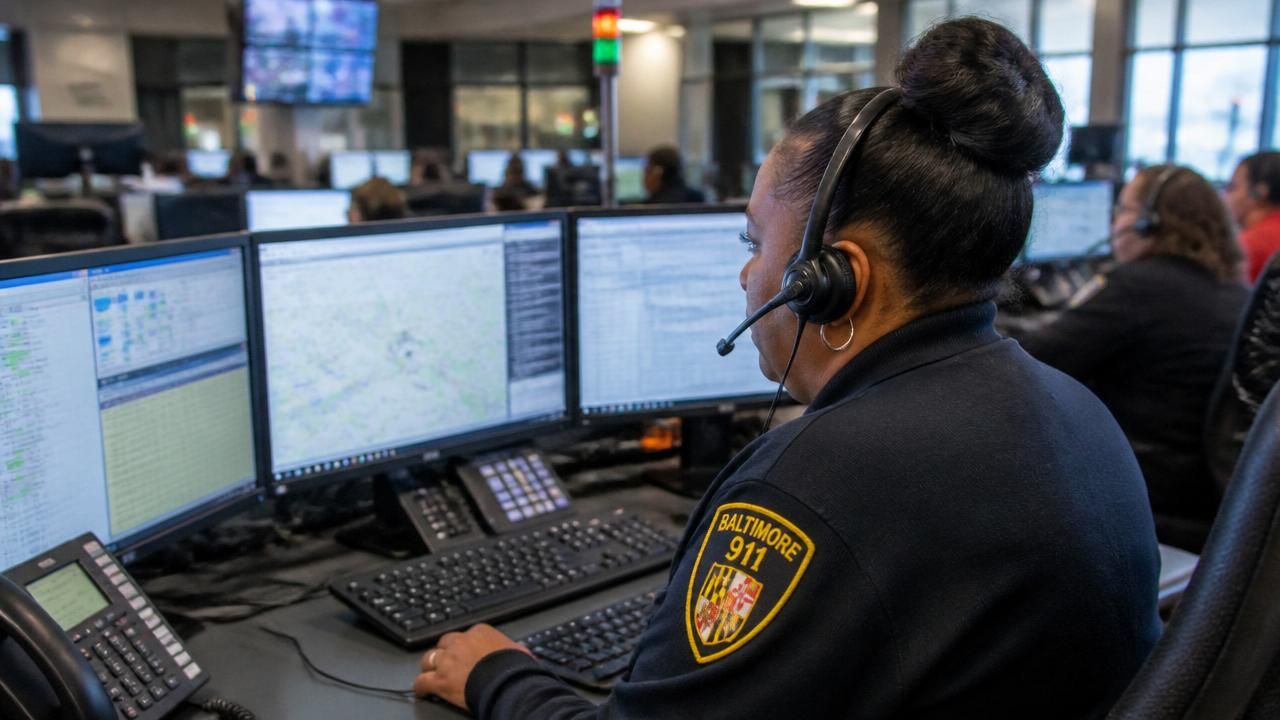
Baltimore is reimagining its 911 system, moving toward a model where not every call requires a police officer. As outlined in a recent NPR report, the city is exploring ways to connect callers with social services and healthcare before they fall into crisis. This shift comes amid growing concerns over police response times, cybersecurity vulnerabilities in emergency dispatch centers, and a broader community push for investment over enforcement.
A New Vision for 911
The traditional 911 system has long been the default for all emergencies, but Baltimore is piloting a more nuanced approach. Under the new framework, callers who don't need police may be routed to social workers, mental health professionals, or mobile health units. The goal is to provide the right response for each situation, reducing unnecessary police involvement and freeing up officers for genuine emergencies.
The Community Responder Model
The American Progress think tank has highlighted the “community responder model,” where trained non-police personnel handle issues like homelessness, substance abuse, and mental health crises. Baltimore's Black community leaders have similarly called for community investment as a method of police reform, arguing that diverting funds toward housing, healthcare, and job programs addresses root causes of crime more effectively than enforcement alone.
“We need to invest in our communities, not just in policing,” said a community activist quoted by marylandmatters.org. “When people have access to services, they are less likely to end up in crisis.”
Mobile Integrated Health: Paramedics as Gateways to Care
In a related initiative, the University of Maryland, Baltimore (UMB) and partners have launched a Mobile Integrated Health – Community Paramedicine program. This program uses paramedics and EMTs to provide follow-up care, connect patients with primary care, and address social determinants of health. By deploying healthcare providers directly into communities, the program aims to reduce unnecessary emergency room visits and improve overall health outcomes.
Strained Resources: Police Response Times on the Rise
Even as Baltimore experiments with alternative responses, traditional emergency services are under strain. According to data analyst Jeff Asher, police response times across the U.S. have been increasing, and Baltimore is no exception. Longer waits for officer arrival can erode public trust and leave residents vulnerable. This trend underscores the urgency of finding alternative solutions for less urgent calls.
Cyber Threats to 911 Systems
Meanwhile, the security of 911 systems themselves faces mounting challenges. NBC News reports that hackers have taken down dozens of 911 centers across the country, exploiting outdated technology and insufficient cybersecurity measures. Baltimore has not been immune to such threats, raising concerns about the reliability of the emergency network during a crisis.
“It’s a matter of when, not if, the next attack will occur,” a cybersecurity expert told NBC News.
Baltimore Fire Department Under Scrutiny
The city's fire department is also facing questions. EMS1.com reported that the Baltimore Fire Department has been criticized for how it handles 911 calls and the risks faced by EMTs. Questions have been raised about dispatching protocols and the safety of first responders, particularly in high-crime areas.
Broader Context: A City of Contrasts
Baltimore is a city of contrasts. On one hand, events like Artscape 2025 draw large crowds with pleasant weather, showcasing the city's cultural vitality. On the other, tragedies such as the drowning of two men at Gunpowder Falls State Park serve as grim reminders of the dangers that can befall residents. The heat wave gripping Maryland with temperatures in the 90s adds another layer of stress on the city's infrastructure and emergency services.
Divergent Perspectives on Crime and Safety
Opinions on how to ensure safety in inner-city Baltimore vary widely. A Roll Call op-ed argues that inner-city Americans deserve respect and crime policies that work, suggesting a tough-on-crime approach. In contrast, community leaders emphasize investment and prevention. The debate over ShotSpotter technology, which uses acoustic sensors to detect gunfire, reflects this tension: supporters say it helps police respond faster, while critics argue it leads to over-policing in minority neighborhoods.
Looking Ahead: A Multifaceted Approach
Baltimore's experiment with 911 reform is part of a national trend toward rethinking emergency response. By integrating social services, mobile health, and community investment, the city hopes to create a system that is both more effective and more equitable. However, challenges remain: response times, cybersecurity, and resource constraints must all be addressed. As the city navigates these complexities, its efforts will be closely watched by other municipalities seeking to balance safety and justice.
Whether these initiatives will reduce crime and build trust remains to be seen, but early signs suggest that Baltimore is moving in a direction that prioritizes human needs over police presence. For a city that has struggled with violence and inequality, that shift may be the most important call of all.