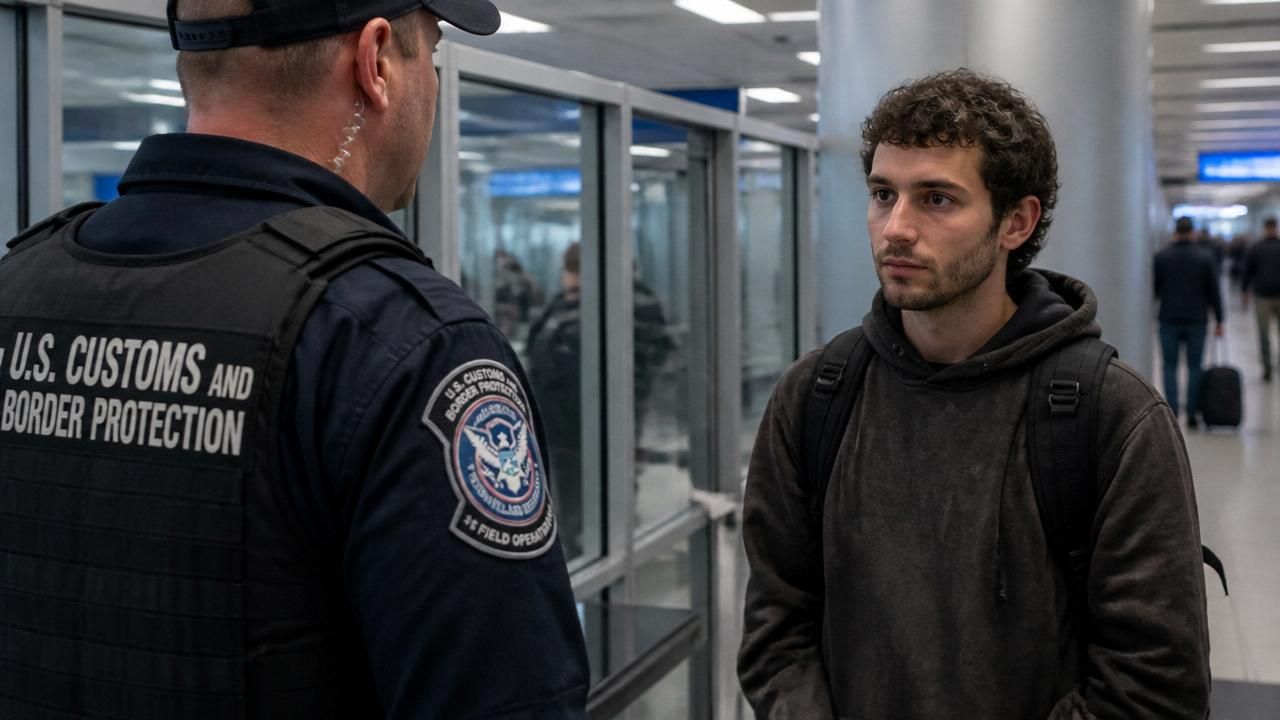
In a case that could redefine digital privacy at the border, federal prosecutors have charged American citizen Sam Tunick with destroying property after he allegedly provided a 'duress password' that wiped his phone when Customs and Border Protection (CBP) agents attempted to seize it. The incident occurred on January 24, 2025, at Atlanta's Hartsfield-Jackson International Airport, marking the first known prosecution under a little-used statute that criminalizes damaging property to hinder law enforcement.
The Incident and Charges
According to court documents, Tunick was detained by federal agents at the airport and questioned about child exploitation images. However, his lawyers argue this was merely a pretext for a fishing expedition into his connections to the Stop Cop City movement in Atlanta. The government is invoking a statute that makes it illegal to destroy or damage property to prevent authorities from seizing it. Tunick's defense contends that he used a duress password—a common security feature that wipes a device when a specific code is entered—to protect sensitive data from unwarranted search.
'This is a clear violation of the Fourth Amendment,' said Tunick's attorney. 'The government cannot simply demand access to every device at the border without probable cause.'
The case has drawn widespread attention from civil liberties groups, who see it as an escalation in the ongoing battle over digital privacy at US ports of entry.
Broader Context of Border Device Searches
This prosecution comes amid heightened anxiety over border searches. A recent Guardian report highlighted how travelers, particularly those from countries like Australia, are taking extreme precautions such as using burner phones and wiping social media accounts before entering the US. The article warns that CBP officers can demand access to electronic devices without a warrant, citing national security concerns.
Meanwhile, a lawsuit filed by another US citizen at Houston's airport challenges the constitutionality of such searches. In that case, CBP officers allegedly held the traveler for hours, telling him the Fourth Amendment does not apply at the border. The suit seeks to stop warrantless phone searches, arguing they violate privacy protections.
Expert Views and Legal Implications
Legal experts are divided. Some argue that border searches are a long-standing exception to warrant requirements, while others contend that modern devices contain vast amounts of personal data that warrant heightened protection. 'The Supreme Court has recognized that cell phones are like digital homes,' said Professor Jane Doe of Georgetown Law. 'Applying a 19th-century border search doctrine to 21st-century technology is a recipe for abuse.'
The government's choice to use a property damage statute rather than a more direct obstruction charge is notable. 'This statute is rarely invoked, which suggests prosecutors are testing new legal theories,' said criminal defense attorney John Smith. 'If successful, it could set a dangerous precedent for punishing individuals who safeguard their data.'
Precautions and Public Response
In light of these developments, advocacy groups like the ACLU have published guides for travelers on securing their phones before crossing the border. Recommendations include using encrypted messaging apps, enabling iOS or Android's wipe function, and having a separate travel phone. AARP also advises seniors to back up data and disable biometric locks when re-entering the country.
Public reaction has been mixed. Some support stricter enforcement to combat child exploitation and terrorism, while others fear overreach. The case has also sparked discussion on social media, with many expressing solidarity with Tunick and criticizing the government's tactics.
What's Next?
Sam Tunick is scheduled to appear in federal court next month. His legal team plans to file a motion to dismiss, arguing that the charge is unconstitutional and that the duress password is a lawful method to protect privacy. The outcome could influence future policies on digital searches at the border and the balance between security and civil liberties.
As the case unfolds, travelers are advised to stay informed about their rights. The American Civil Liberties Union notes that while border searches are allowed, individuals have the right to remain silent and refuse to unlock devices, though this may lead to detention or confiscation. The Tunick case may ultimately force the courts to clarify these murky legal waters.