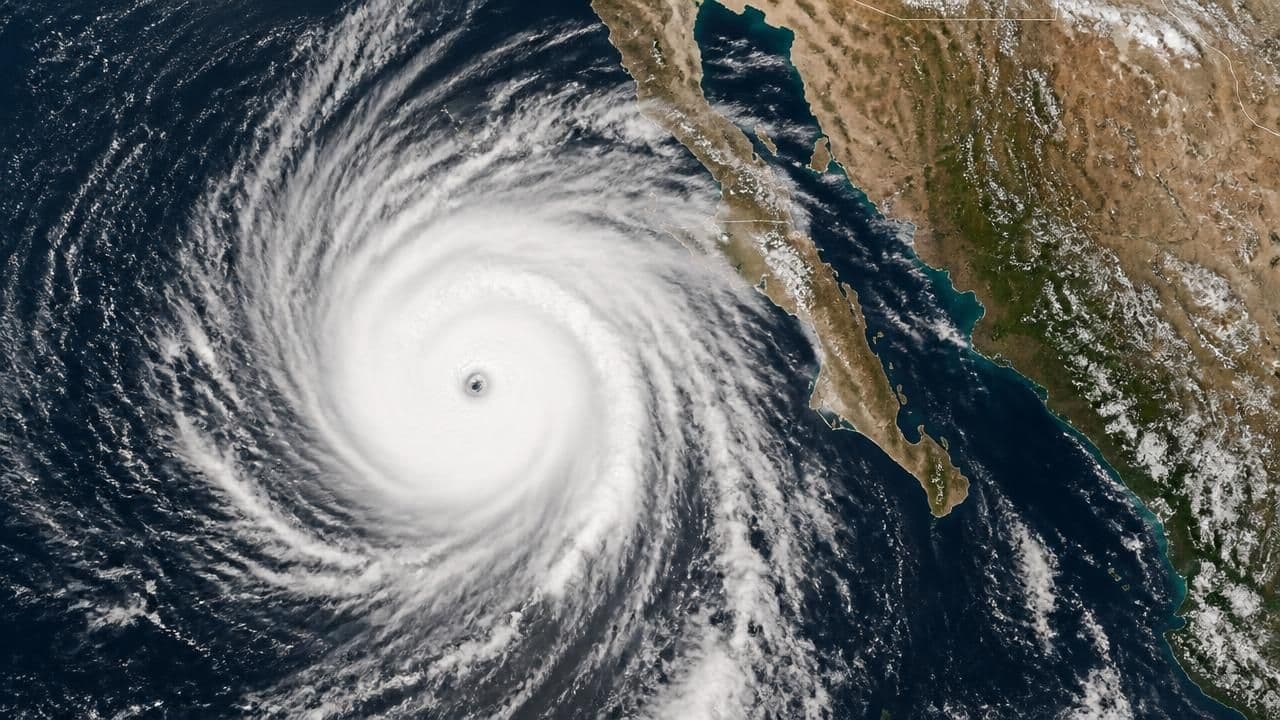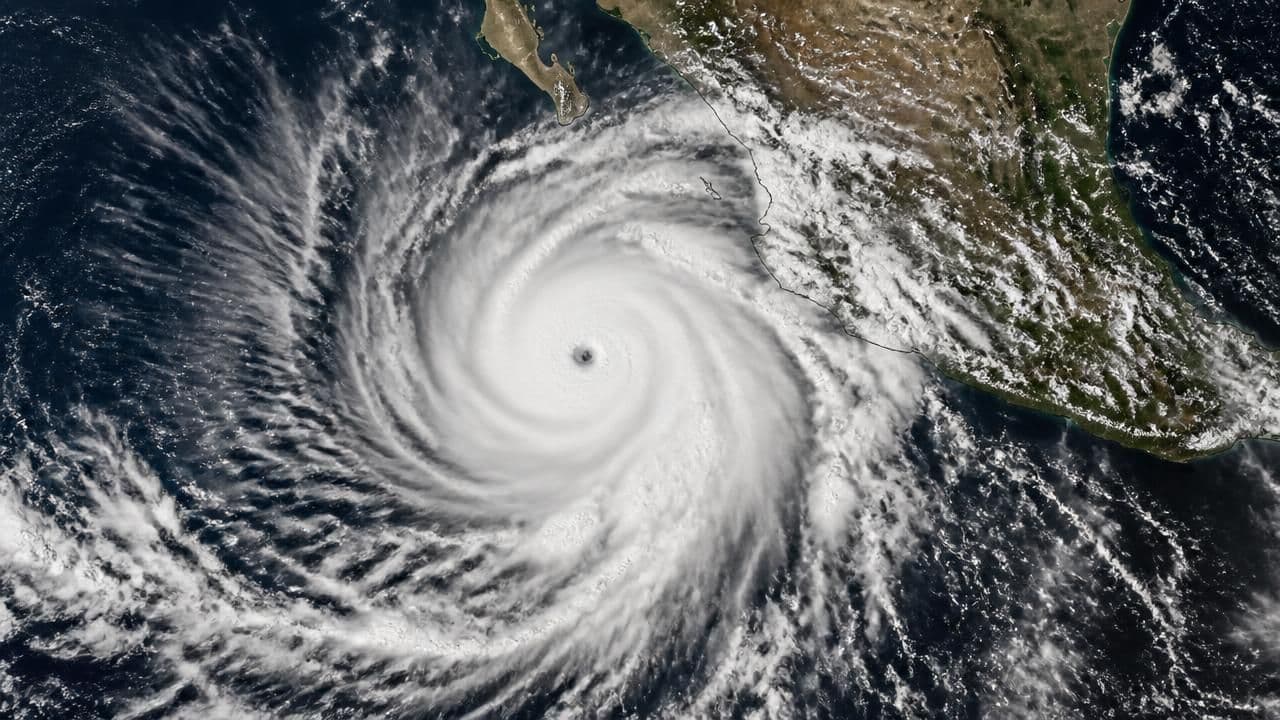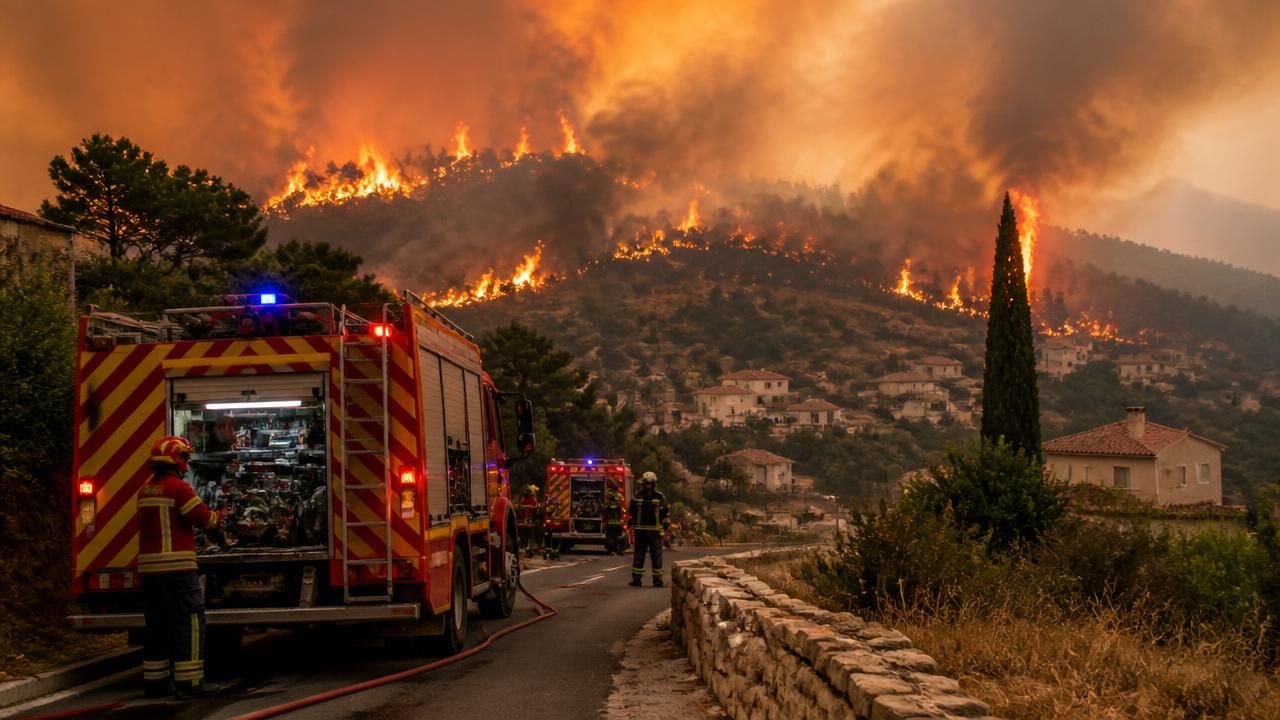
A relentless onslaught of wildfires is sweeping across multiple continents, driven by a combination of extreme heat, high winds, and prolonged drought. From the Iberian Peninsula to the Pacific Northwest, and from the Mediterranean to Central Asia, fire crews are battling blazes that have forced hundreds of thousands to evacuate and left a trail of destruction. The World Meteorological Organization (WMO) has warned that 2026 is off to a record-breaking start in terms of extreme weather events, with heatwaves, cold snaps, heavy precipitation, and fires all occurring simultaneously.
Europe: A Continent in Flames
Southern Europe is bearing the brunt of the crisis. In Spain, a devastating heatwave has pushed temperatures above 40°C (104°F), creating what The Guardian described as “the worst possible combination” of tinder-dry vegetation and strong winds. Wildfires have erupted in several regions, including Catalonia and Valencia, forcing thousands from their homes. In France, a new blaze near Brignoles prompted evacuations, while firefighters in the Gironde region continue to battle massive fires that have already consumed tens of thousands of hectares. According to a report from Business Today, more than 110,000 people have been evacuated across France and Spain.
Greece, Italy, and Portugal are also on high alert. Greece has seen multiple fire outbreaks, particularly on the islands and in the Peloponnese, amplified by strong winds. The BBC reported that wildfires are raging across Greece, Spain, and Italy simultaneously as a heatwave moves northward. In Portugal, fires have grown so large that they are visible from space, according to a Facebook post by a local news outlet. Turkey, still reeling from last year’s deadly fires, is again facing evacuations as an early heatwave hits the region, Reuters noted.
Even northern Europe has not been spared. The UK reported wildfires burning in parts of the country, with fire chiefs warning of extreme pressure on services. The fires, though smaller than those in the south, underscore the expanding geographic reach of wildfire risk.
North America: A Season of Extremes
Across the Atlantic, the United States and Canada are experiencing an explosive start to the wildfire season. In the western U.S., a combination of heat, drought, and erratic winds has fueled fires from California to Colorado. In California, PG&E has shut off power to thousands of customers in Sonoma and Napa counties to prevent equipment from sparking new blazes — a controversial but increasingly common practice. The LA Times reported that conditions in Utah and other western states are ripe for fires, with “heat, wind, and drought” creating a dangerous cocktail.
Oregon and Washington are also under siege. Oregon Live described a “perfect storm” of wind, fuel, and heat that set western Oregon ablaze. The Willard Peak Fire in Utah has forced evacuations and power outages due to erratic winds, according to KSL NewsRadio. Colorado Newsline provided updates on the state’s 2025 fire season, noting that multiple large fires are burning. In Los Angeles, the one-year anniversary of the Palisades and Eaton fires has just passed, serving as a grim reminder of the destructive potential of urban wildfires.
Climate experts told CBS News that “climate extremes” are fueling explosive wildfires across Canada and the U.S. Vox explored the unusually strong winds that drove the apocalyptic fires in Los Angeles, while Axios reported that fire season in California is getting longer due to climate change. The connection between a warming climate and wildfire intensity is now undeniable.
Other Regions: A Global Phenomenon
Wildfires are not confined to traditional hotspots. Kazakhstan has seen fires fueled by heat, winds, and storms, as reported by Caliber.az. In South Africa, the Nelson Mandela Bay area is on high alert after dry, windy conditions ignited veld fires that threatened homes and highways, per Daily Maverick. Even regions not typically associated with large wildfires are now vulnerable, highlighting the global nature of the crisis.
The Climate Connection
Scientists are unequivocal: climate change is making wildfires more frequent and severe. The BBC’s explainer on how climate change worsens heatwaves, droughts, wildfires, and floods is widely cited by multiple sources. The WMO’s report on extreme events in early 2026 reinforces this. As one expert told The Guardian: “This is the worst possible combination – extreme heat, severe drought, and strong winds. We are seeing the fingerprints of climate change everywhere.”
“The conditions we are seeing are unprecedented in modern records,” said a climatologist from the University of Barcelona. “The fires are responding to a climate that is warming faster than our ability to adapt.”
Response and Implications
Governments and utilities are scrambling to respond. In addition to PG&E’s power shutoffs, firefighting resources have been stretched thin across Europe and North America. Evacuation centers are housing tens of thousands, and air quality warnings have been issued in many regions. The economic cost is mounting, with damages expected to run into billions.
Looking ahead, the forecast offers little relief. Another heatwave is predicted to hit Europe in the coming days, and dry conditions are expected to persist in the western U.S. The global wildfire crisis demands urgent action on climate mitigation and adaptation. As the WMO noted, the extremes we are seeing are likely a preview of the new normal.
Key Data Points
- Over 110,000 evacuated in France and Spain (Business Today)
- PG&E shutoffs affecting thousands in California (Patch)
- Wildfires visible from space in Portugal (Facebook)
- UK fire chiefs warn of extreme pressure (BBC)
- Heatwave temperatures exceed 40°C in southern Europe (The Guardian)
- Global fire season starting earlier and lasting longer (Axios)
As the world warms, wildfires are no longer a seasonal inconvenience – they are a year-round threat that crosses borders and demands a coordinated, global response.