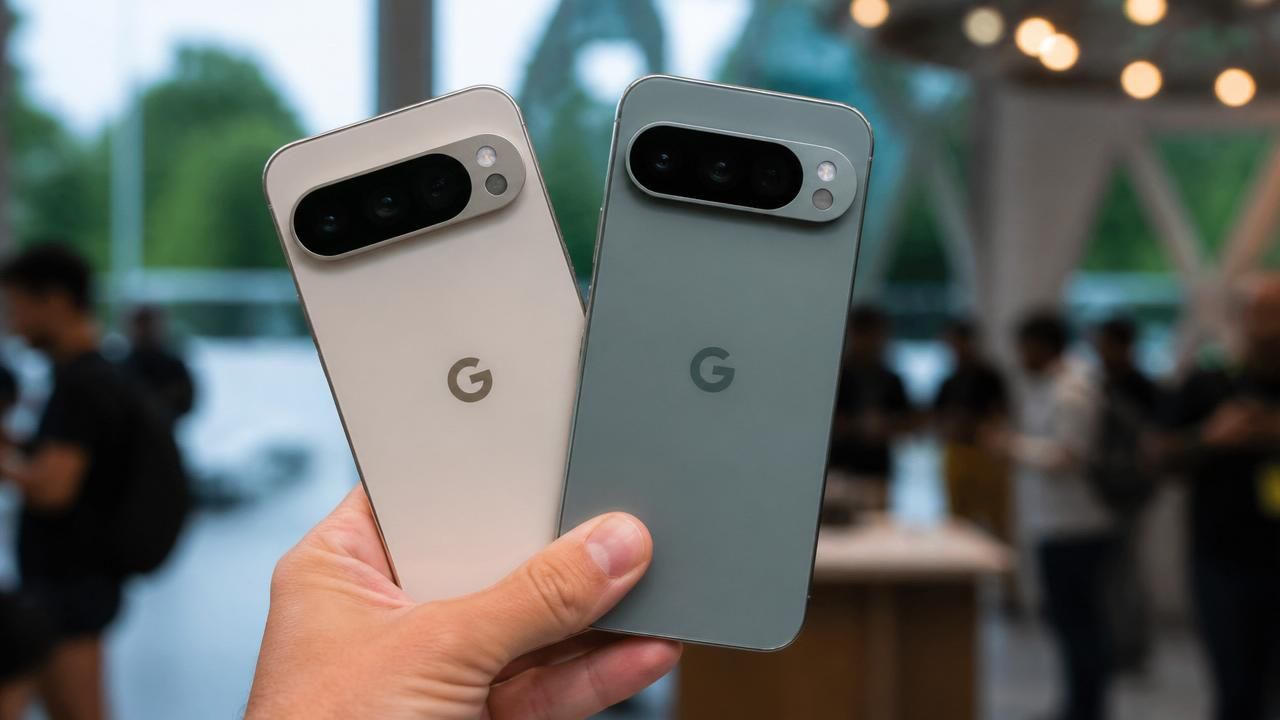
Google has effectively confirmed that its next flagship smartphone, the Pixel 11, will carry a higher price tag than its predecessor. In an interview with 9to5Google, Google's Vice President of Devices and Services, Shakil Barkat, acknowledged that the company has been absorbing rising costs for as long as possible but can no longer shield consumers from the surging price of RAM, driven by the explosion of AI data centers worldwide.
“We’ve shielded our consumers from supply fluctuations for as long as possible,” Barkat told 9to5Google. “But the economics have fundamentally shifted, and we’re not immune to that.” The statement, widely echoed across tech outlets including Android Pure and Smartprix, confirms that the Pixel 11 will see a notable price increase, with some leaks suggesting a €100 (~$108) hike and the elimination of the 128GB base storage tier.
Why the Price Hike? The RAM Crisis
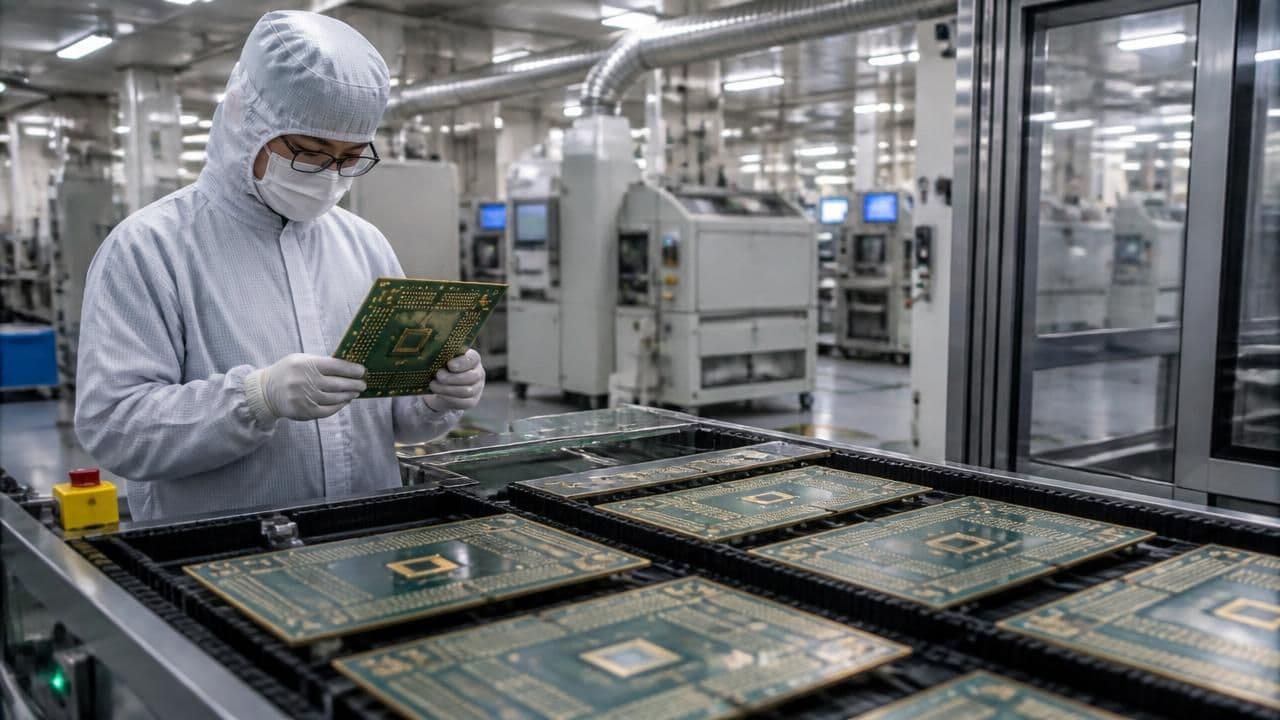
The root cause, according to Barkat and multiple industry analysts, is the skyrocketing cost of memory chips. The rapid expansion of AI data centers has created unprecedented demand for high-bandwidth memory (HBM) and DRAM, squeezing supply for consumer electronics. Companies from Apple to Nintendo, Microsoft to Roku have all raised prices in response to the soaring cost of memory. Google's Pixel line is the latest to feel the pinch.
“The RAM supply issues are not just a Pixel problem—they affect every smartphone maker,” noted a report from Android Headlines. “With AI servers consuming vast amounts of memory, the cost of DRAM has nearly doubled in the past year.” This context helps explain why Google, which has historically priced its Pixels aggressively, is now forced to adjust.
What Will the Pixel 11 Cost?
While exact pricing remains unofficial, leaks from sources like Hindustan Herald and PhoneArena point to a starting price around €999 in Europe (up from €899 for the Pixel 10) and a likely $999 in the U.S. The base model may skip 128GB entirely, starting at 256GB storage, which would partially offset the hit to perceived value. The Pixel 11 Pro Fold, meanwhile, is rumored to feature a slimmer frame and the new Tensor G6 chip, according to renders published by Smartprix, but its price is also expected to rise.
These increases align with a broader industry trend: the era of sub-$1,000 flagship phones may be ending. As Android Central's columnist lamented, “I don't know about you, but I'm getting tired of $1,000 smartphones.” The Pixel 11's hike, though modest, adds fuel to that fire.
Pixel Watch 5 Also Affected
The price pressures extend beyond phones. MSN reports that the Pixel Watch 5, expected in 2026, may also see a price increase due to component costs. This suggests Google's entire hardware lineup may undergo repricing in the coming years.
Consumer Fatigue and Value Propositions
PhoneArena argues that the price hike “makes the Pixel 11 wait pointless for many buyers,” implying that those hoping for a bargain may be disappointed. However, Google is emphasizing efficiency and accessibility. “We are making dedicated efforts to keep our devices accessible and efficient,” Barkat said, hinting at software optimizations and longer update commitments to sweeten the deal.
In a comparison piece, Memeburn pitted the Pixel 11 against the iPhone 18, asking which is the best phone to wait for in 2026. The answer may hinge on how well Google can justify the higher price with superior camera software, AI features, and the Tensor G6's performance gains.
Historical Context: Google's Pricing Strategy
Google has a history of using the Pixel as a showcase for its software prowess, often undercutting rivals. The Pixel 6 reintroduced a custom Tensor chip and a 50MP camera sensor at a competitive $599. But with the Pixel 7 and 8, prices crept upward. The Pixel 9 launched at $799, and the Pixel 10 at $899. The Pixel 11's rumored $999 price would mark a significant milestone: the first Pixel to cross the four-figure threshold in its base model.
“This isn’t just about Google,” said an unnamed analyst cited by Android Pure. “The entire smartphone industry is recalibrating. Consumers need to recalibrate their expectations too.”
What This Means for Buyers
For consumers, the Pixel 11 price hike is a stark reminder that inflation and supply chain disruptions are not over. Those who can wait may find deals on the Pixel 10 or consider competitors like the Samsung Galaxy S25 or OnePlus 13. But for Pixel loyalists, the choice may be between paying more or switching ecosystems.
As Barkat put it, “We want to bring the best technology to as many people as possible, but we have to do it in a sustainable way.” The pixel 11 will test whether sustainability and affordability can coexist.